The Spanish who first looked into Masaya's crater called it the mouth of hell, and the lava is still there, a red glow below the rim after dark. Volcanoes set the shape of western Nicaragua, a line of cones running beside the Pacific with Lake Nicaragua spread behind them, Granada on its shore since 1524 and Ometepe rising out of the water as an island made of two more.
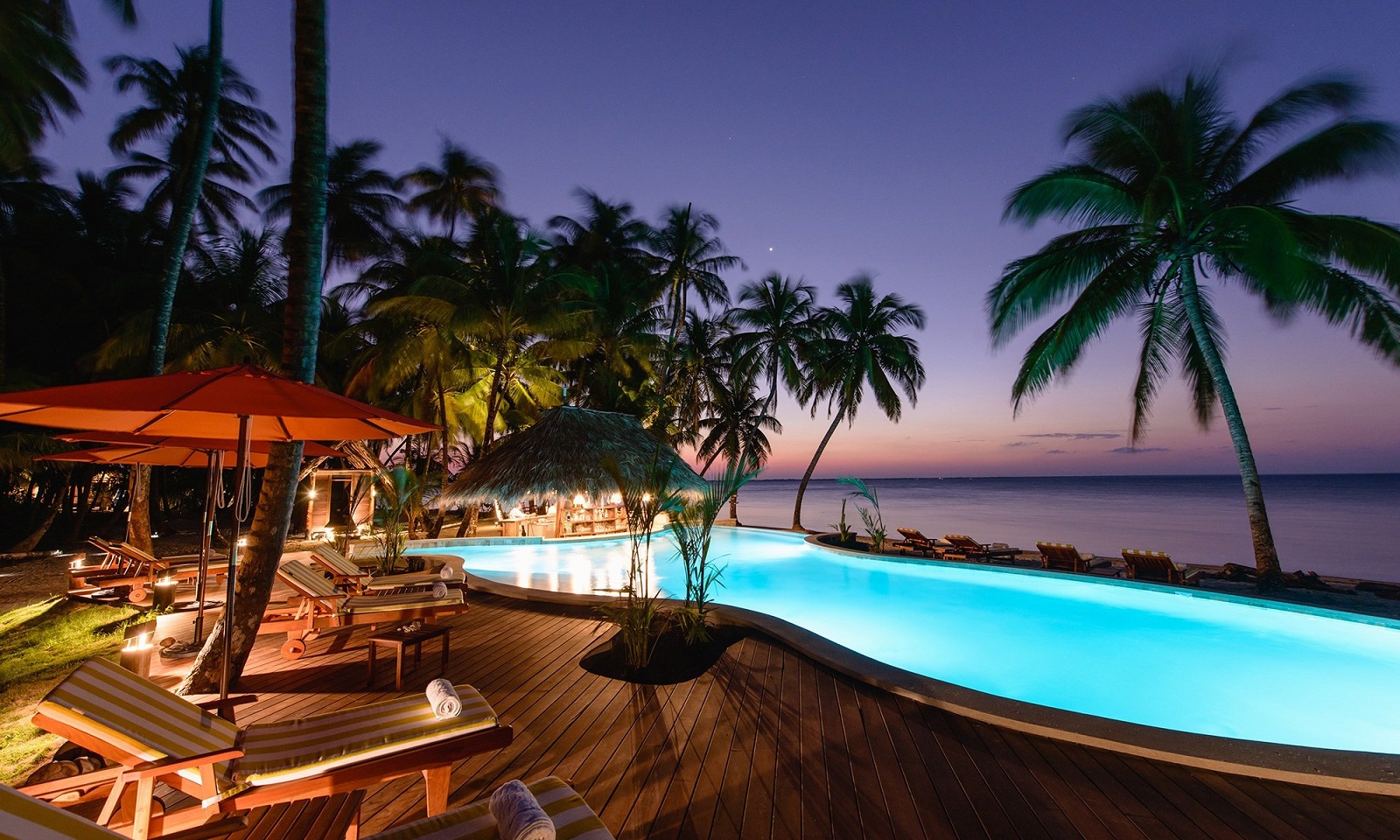
The Caribbean side is a different country that happens to share a government. It is reached by small plane or by river, its towns speak English Creole and its lagoon villages Miskitu, and it keeps its mangroves and reefs mostly to itself; offshore lie the Corn Islands and, closer in, the Pearl Cays, a scatter of sand and palm where hawksbill turtles come ashore to nest through the summer and autumn.
Most visitors pair a night or two in Granada with the hour's flight east, and the second half is the one to protect. The crossing to the cays takes most of a day, Managua to Bluefields by plane, then a taxi and about ninety minutes by boat through Pearl Lagoon, and at the end of it the turtle men who patrol the beaches will mark the night a nest is due to hatch and knock on the door to wake you for it.