The five Tuscanies
Tuscany is bigger and more varied than the postcard implies, and picking the right corner is the most important decision in planning a trip here.
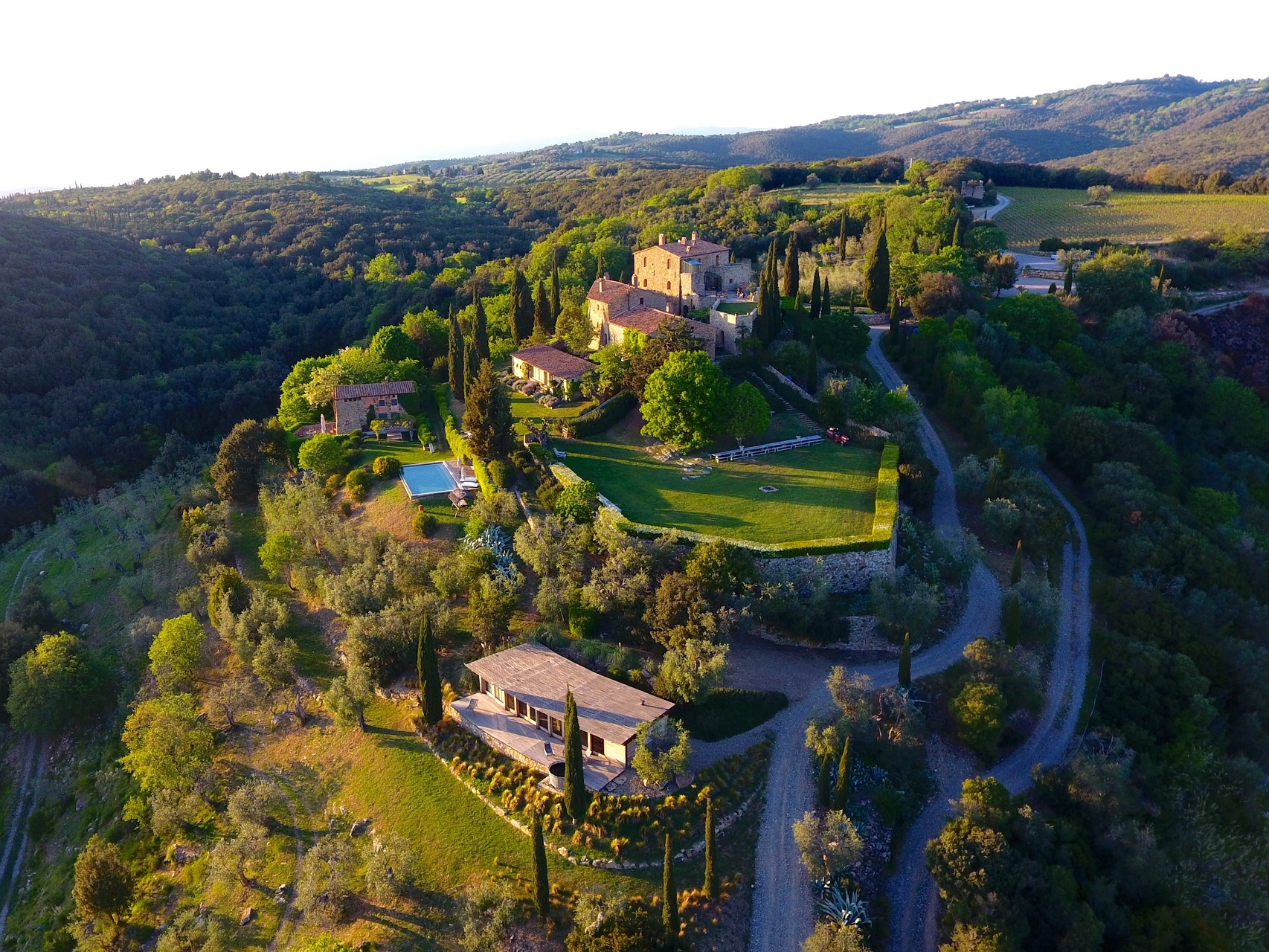
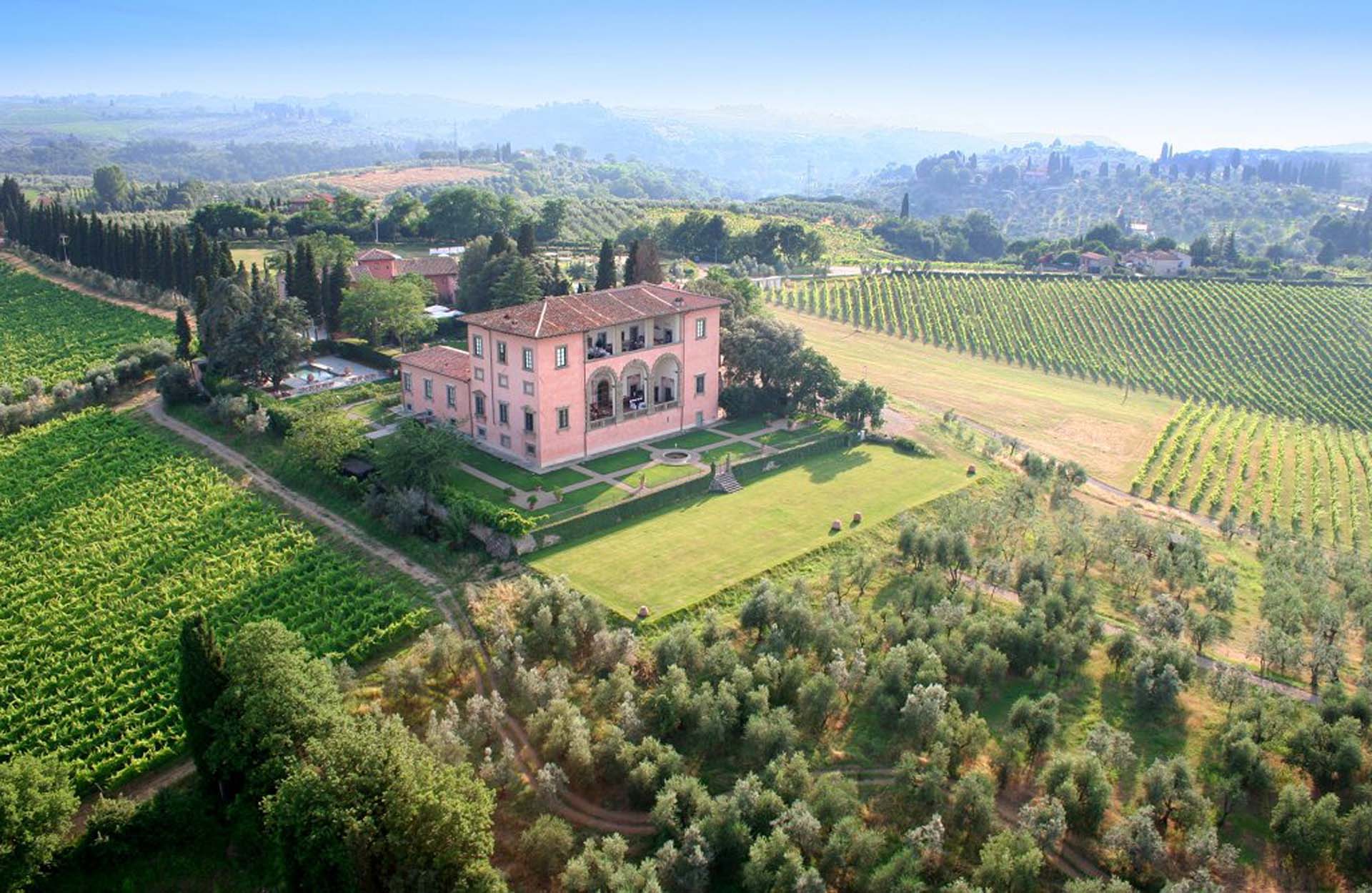
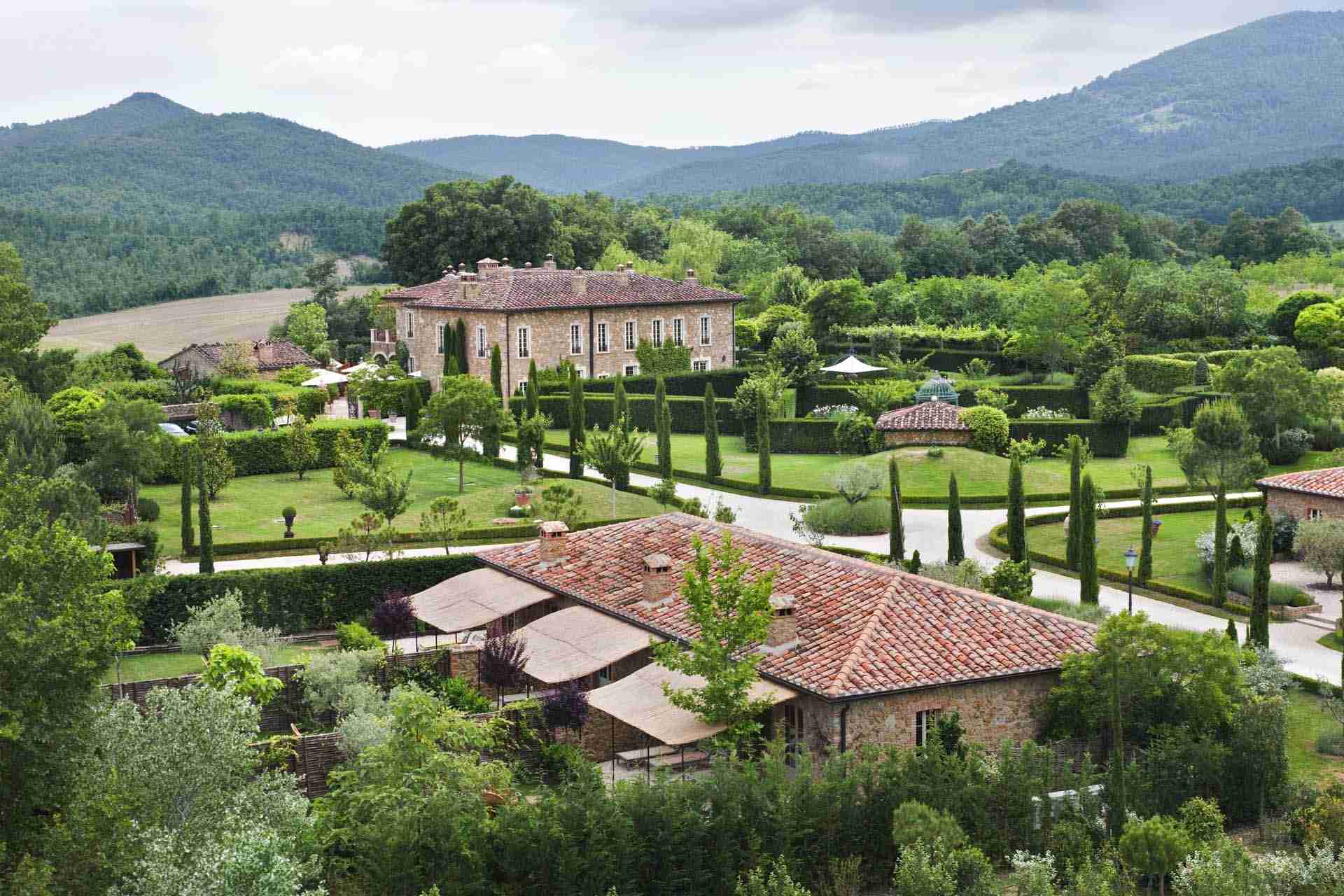
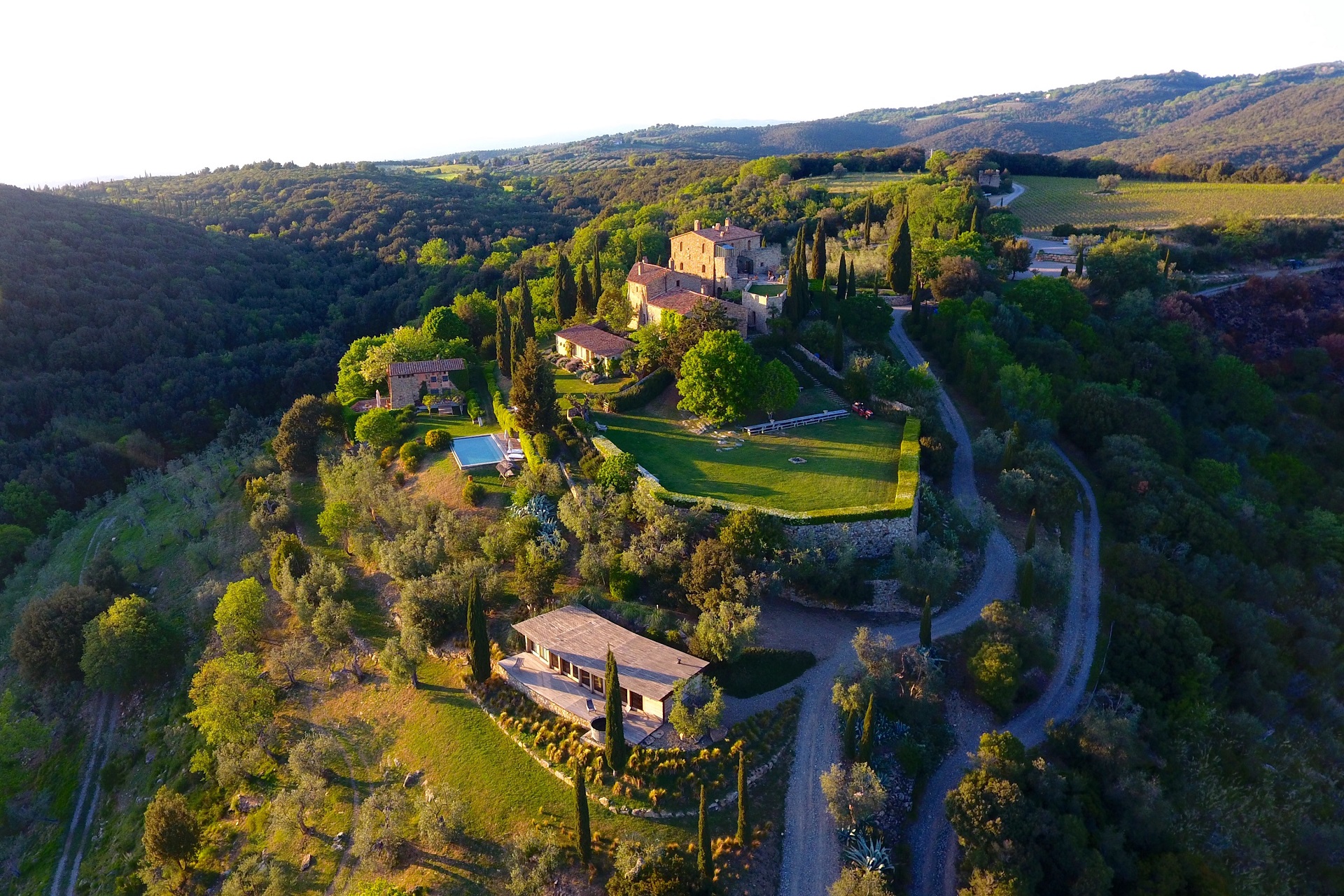
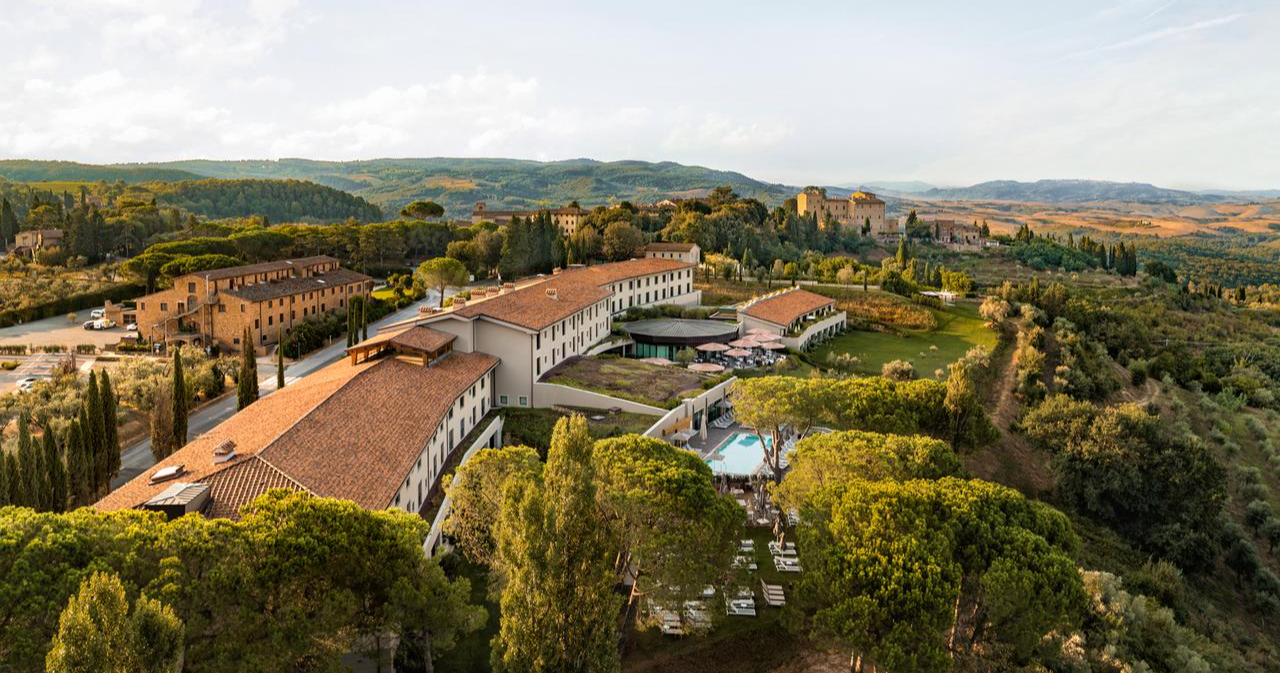
Chianti is what most first-timers picture — the rolling hills between Florence and Siena, vineyards, cypress alleys, hilltop villages. The most photographed Tuscany, and the busiest. The Val d'Orcia runs south of Siena into the crete senesi, the chalky clay badlands that frame the abbeys of Sant'Antimo and Monte Oliveto Maggiore; this is Brunello di Montalcino country, quieter than Chianti and with the strongest light.
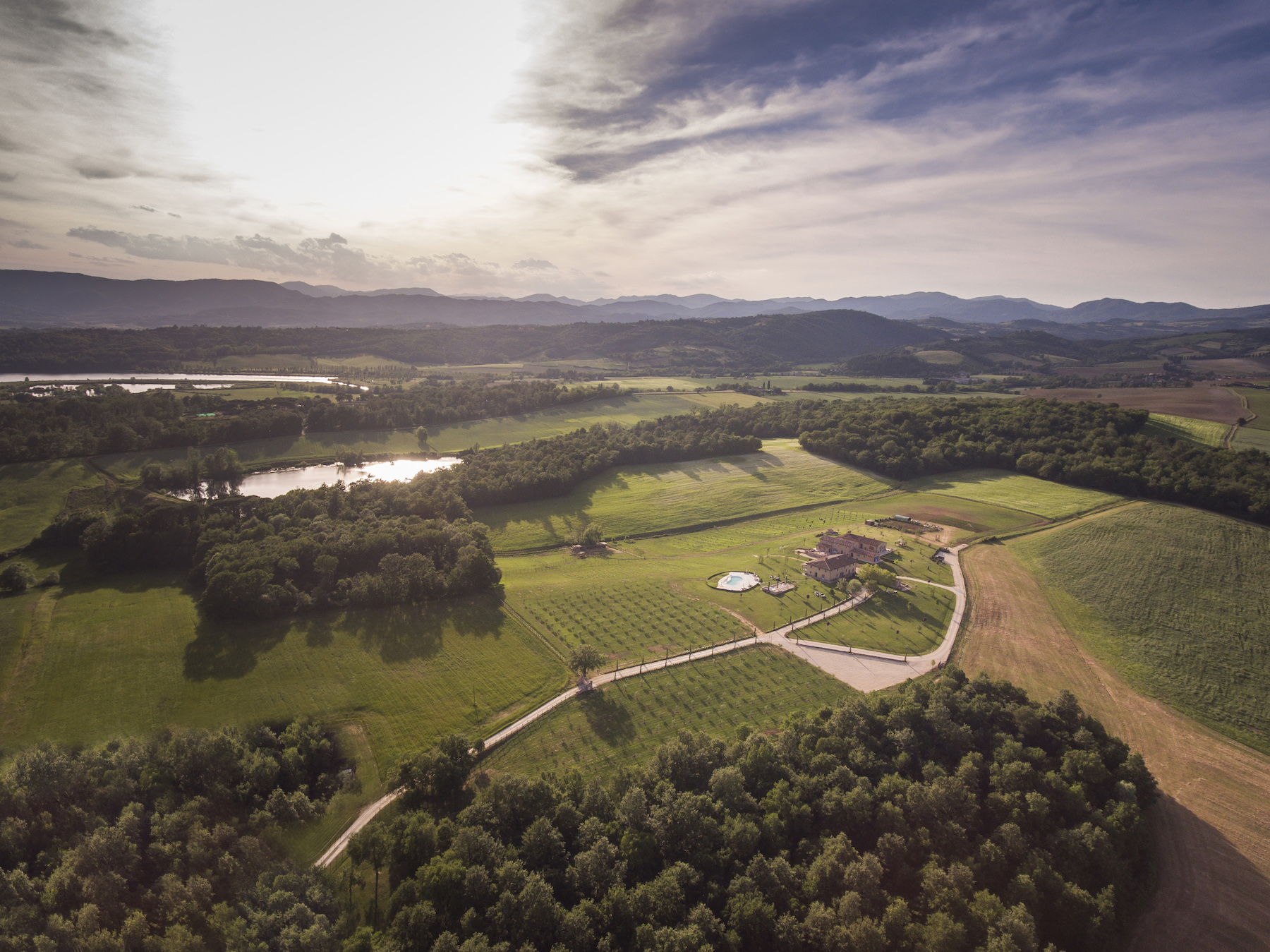
The Maremma is the southern coast and its inland hills — wilder, less postcard, the Tyrrhenian visible from the higher ground and an agricultural rhythm largely unchanged for centuries. The Mugello sits in the Apennine foothills directly north of Florence, proper countryside an hour from the city, the Medici family's original home ground. And the Versilia is the north-western coast below the marble Apuan Alps — beaches, the sculptors' town of Pietrasanta, and hills that look down to the sea. Pick one, stay put, and let it unfold.