

€0.00 for 1 Night





24/7 Support
 Looking for help choosing or for a property we don't list? Message our Private Rates Concierge on WhatsApp for member rates and insider knowledge on the right stay
Abba Resorts Izu
€0.00/ Night
24/7 Support
Looking for help choosing or for a property we don't list? Message our Private Rates Concierge on WhatsApp for member rates and insider knowledge on the right stay
A half-century-old onsen ryokan on Japan's Izu Peninsula: 30 rooms and villas with private hot-spring baths, kaiseki and French dining, and a museum-worthy sword gallery.
Collections:

Award Winner 2017
Asia’s Best Culinary Boutique Hotel
Need To Know
- 30 rooms in total: tatami suites and private villas
- A ryokan of over 50 years, on a 16,500-square-metre site
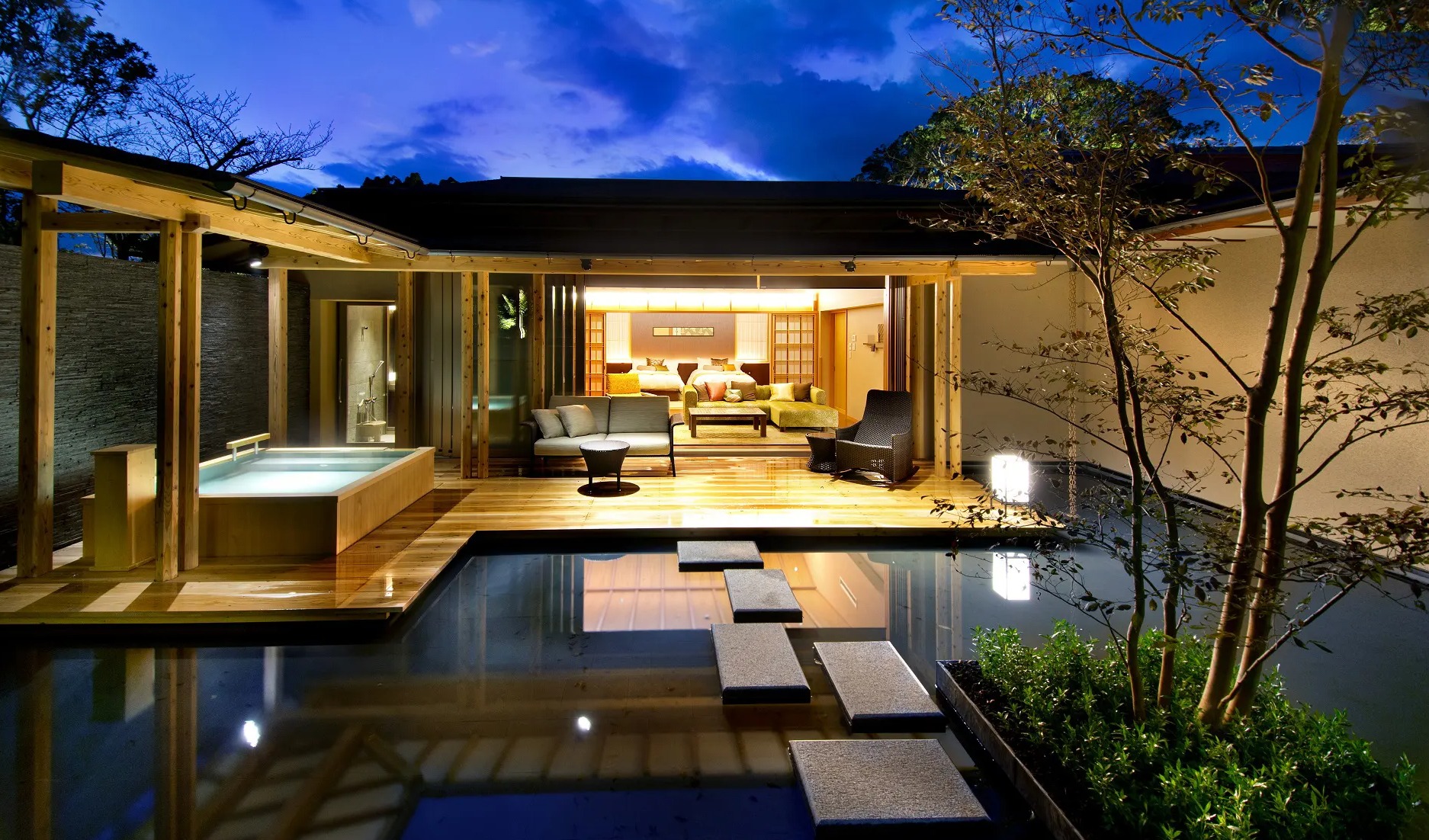
- Most rooms and villas have a private open-air hot-spring bath
- Kaiseki at Sakura and French dining at Yamamomo
- An on-site gallery of the owner's Japanese sword collection
- neen Spa, using herbs from the resort garden
- Two hours from Tokyo; 10 minutes from Izu-Kogen station
Check in - Check out
Check in from 14:00; check out before 12:00.
We Love
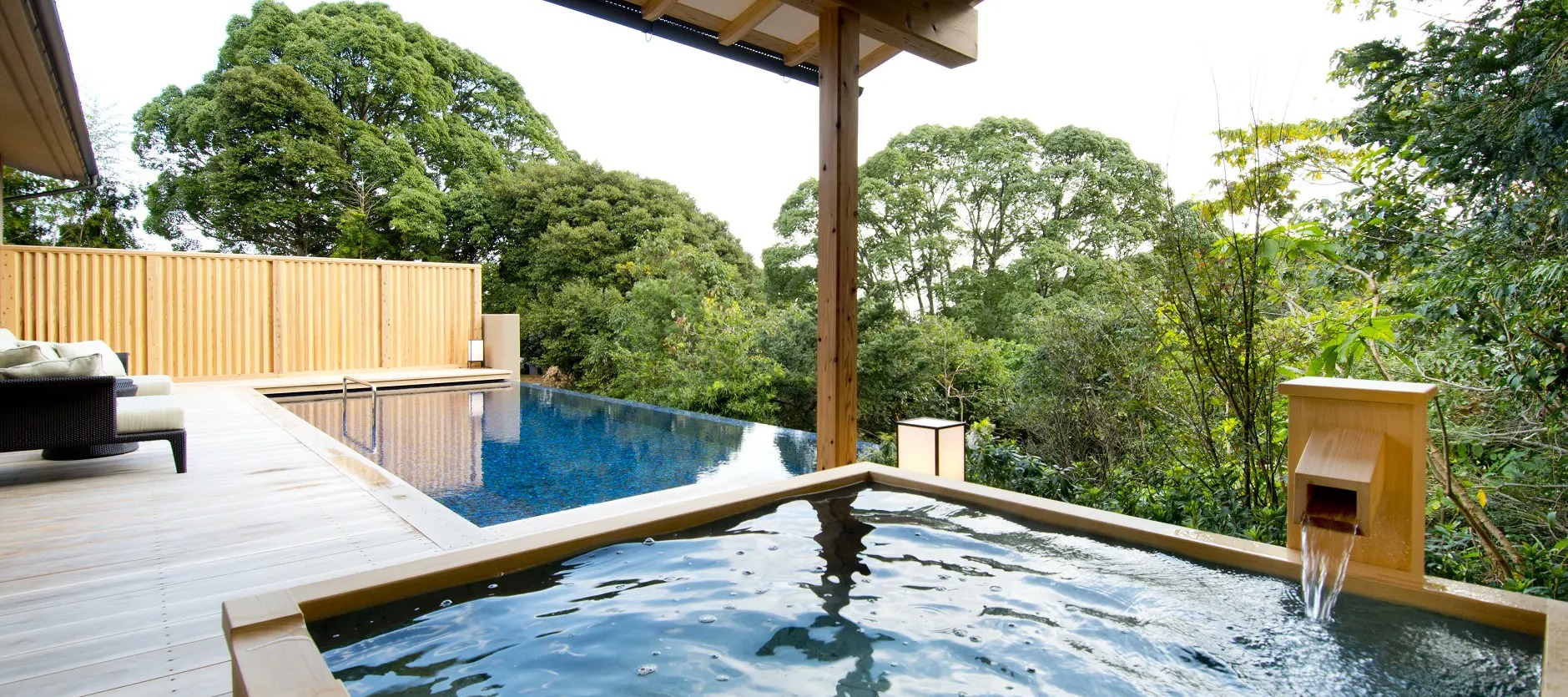
- The baths — mineral hot-spring water throughout: private open-air baths in most rooms and villas, garden baths that rotate by gender, and a rooftop bath looking over the tree canopy.
- The dining — kaiseki at Sakura, running to a dozen courses, and French cooking at Yamamomo built on local Izu produce, with a tea-pairing option in place of wine.
- The accommodation — 30 rooms in all, traditional tatami suites in the main building and more Western-style private villas, most with their own open-air hot-spring bath.
- The gallery — the owner's collection of Japanese swords, including work by Living National Treasures, shown in an on-site gallery with curator-led viewings.
- The setting — a 16,500-square-metre site of old-growth trees and gardens above the Izu coast, on the UNESCO-listed Geopark peninsula two hours from Tokyo.
Key Features










Book Your Stay at Abba Resorts Izu
€0.00 for 1 Night
Location
Address
1741 Yawatano, Ito, Shizuoka Prefecture 413-0232, Japan
Travel Info
ABBA Resorts Izu is at Yawatano, Ito, on the Izu Peninsula, about two hours from Tokyo — Shinkansen to Atami then a local line, or a limited express to Izu-Kogen, ten minutes away by the hotel shuttle. Free on-site parking.
Last Updated: 2026-06-23

Expert Review
Origins
ABBA Resorts Izu — Zagyosoh by its original Japanese name — began over fifty years ago as a small four-room inn, and grew, under long ownership, into one of the established luxury ryokan of the Izu Peninsula. The name Zagyosoh evokes a place of quiet fishing, after the Chinese sage Jiang Taigong, and the resort has kept that unhurried spirit as it expanded to its present 16,500-square-metre site: 30 rooms, two restaurants, a banquet hall, multiple hot-spring baths and an on-site gallery.
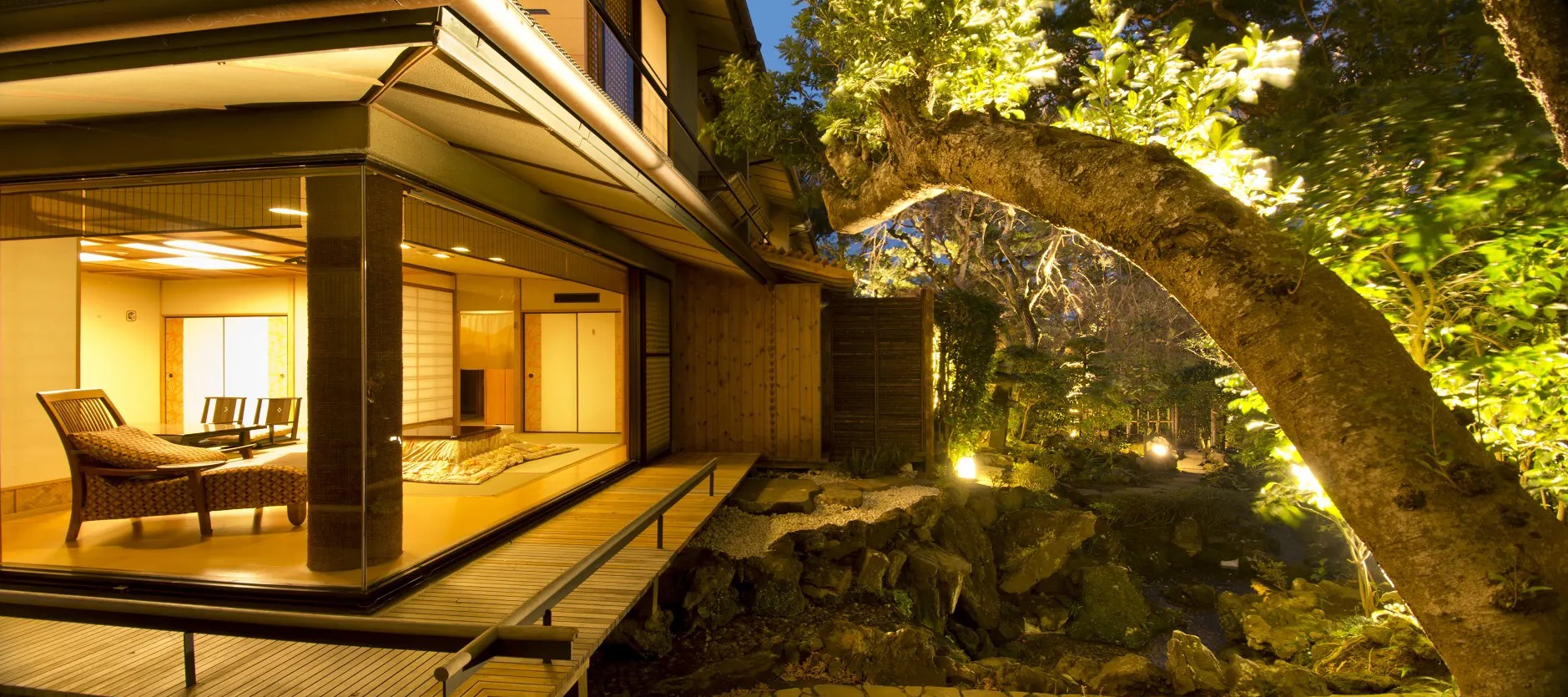
The setting is Ukiyama Onsen, at Yawatano near Ito, in a quiet corner of the Izu Peninsula — a UNESCO Global Geopark, formed by ancient volcanic activity, of forested hills above a dramatic coast. The grounds are part of the appeal: old-growth trees several centuries old, gardens, and views over the tree canopy to the sea. Accommodation splits between traditional tatami suites in the main building, where staff lay out futons at night, and more Western-style private villas; most rooms and villas have their own open-air hot-spring bath, and there are garden baths and a rooftop bath besides.
Food is central to a ryokan stay, and here it runs on two tracks. Sakura serves kaiseki — the multi-course Japanese meal that can stretch to a dozen courses and many more small dishes, built on Izu seafood and Shizuoka produce — and is as worth booking for breakfast as for dinner. Yamamomo handles French cooking in the manner of an Izu auberge, marrying classic technique with local ingredients. Beyond the table, neen Spa offers treatments using herbs from the resort's own garden, and the owner's collection of Japanese swords — including pieces by Living National Treasures — is shown in an on-site gallery. It suits couples and travellers after a genuine, food-led ryokan stay within easy reach of Tokyo.
Top Secret
See the swords. The owner is a serious collector of Japanese blades, and the on-site gallery, Gi no Kokoro, holds antique and modern pieces — some by smiths designated Living National Treasures. Ask about a curator-led viewing rather than just passing through: shown the steel, the temper lines and the history up close by someone who knows them, it becomes one of the more memorable hours of a stay, and a side of Japan few hotels can offer.
The Review
ABBA Resorts Izu is a genuine, long-established Japanese ryokan rather than a resort dressed as one, and that authenticity is the point. Set on a wooded 16,500-square-metre site near Ito, two hours from Tokyo on the Izu Peninsula, it has grown over fifty years from a four-room inn into a 30-room property without losing the quiet, food-and-bath-centred rhythm a ryokan is meant to have.
The two pillars are the onsen and the food. Most rooms and villas have their own open-air hot-spring bath, with garden and rooftop baths besides, all fed by the local mineral water; and the dining is serious — kaiseki at Sakura, French at Yamamomo, with a tea-pairing option that is a real alternative to wine. The grounds, with their centuries-old trees, and the owner's museum-grade sword gallery give it a depth beyond the baths. Service is the understated, anticipatory Japanese kind that guests single out.
The honest notes matter here. Part of the property — the South Wing and two large public baths — has been under renovation, so it is worth checking what is open when you book; a ryokan this traditional asks guests to lean into its rhythms, including set dining times and tatami-and-futon rooms in the main building, which suits some more than others; and while two hours from Tokyo is easy, it is far enough to be a destination rather than a stopover. But for travellers who want the real thing — private onsen, exceptional kaiseki, and a sense of place few hotels match — it is an excellent choice on the Izu Peninsula.


