

€222.00 for 1 Night





24/7 Support
 Looking for help choosing or for a property we don't list? Message our Private Rates Concierge on WhatsApp for member rates and insider knowledge on the right stay
€222.00/ Night
24/7 Support
Looking for help choosing or for a property we don't list? Message our Private Rates Concierge on WhatsApp for member rates and insider knowledge on the right stay
A mother and daughter's five-star country house outside Ponte de Lima, fifteen rooms with family heirlooms, and glamping tents in the Loureiro vines.
Collection:

Award Winner 2015
Europe’s Best Relaxation Retreat
Need To Know
- Fifteen rooms and suites in the house, three glamping tents in the grounds and three two-bedroom villas, added in 2024, which ask for a minimum stay of two nights.
- Every room is a double, and an extra bed for a child is given only on request, at a charge.
- Our favourite rooms: the Tent Suite Privilege, 80 square metres in the Portuguese colonial style with a private garden and a hot tub under the stars, which members book at rates we hold for the Club, while the Prestige rooms, at 33 square metres, are the smallest in the house.
- Lunch and dinner are cooked for residents alone and must be booked ahead and confirmed each day.
Check in - Check out
Check in from 14:00; check out before 12:00.
We Love
- The Cleopatra ritual in the spa, a scrub of sea salt and then a long soak in 280 litres of pure goat's milk, scented with roses.
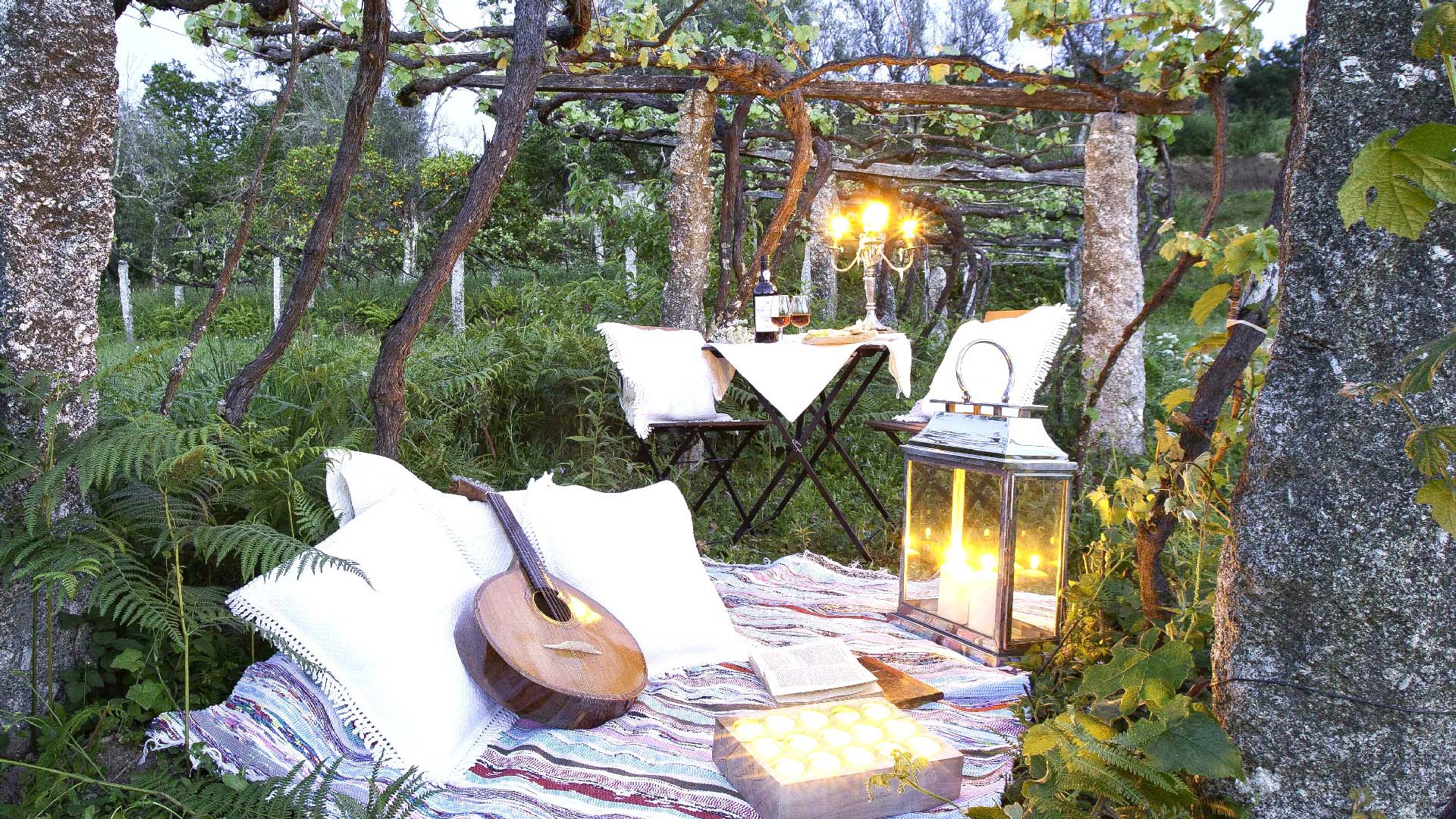
- The Wine Atelier, which keeps the old tools for making vinho verde, and its tasting dinners by candle and firelight, poured from Minho estates of native grapes.
- A Carmo's djellaba and slippers in every room, which is the house's answer to the dressing gown.
- Picnics among the vines, which the house still lays on, and in our inspector's day riding hacks and drawing classes as well.
- The outdoor pool in the gardens, where our inspector lay under the bluest of skies and found the calmest corner of the house.
Key Features











Book Your Stay at Carmo's Boutique Hotel
€222.00 for 1 Night
Location
Address
Estrada nacional 203, Germieira, Ponte de Lima
Travel Info
Carmo's stands in Gemieira, a five-minute drive from the centre of Ponte de Lima, 45 minutes by road from Porto and about 40 from its airport. Braga and Guimarães are 25 minutes away, and the Atlantic beaches 25.
Nearby Places
Oporto Airport
81km

Expert Review
Origins
Carmo's is the work of a mother and daughter from Porto, Maria and Raquel do Carmo. The old house they took on at Gemieira had stood derelict for years, past saving by our inspector's account, and the building there now is modern, its concrete set off by Portuguese art deco. When our inspector stayed, Raquel and her family were running it themselves, day by day. The restaurant's own page is written to the memory of “my mother / grandmother”. In 2015 our awards named Carmo's Europe's Best Relaxation Retreat.
Top Secret
When our inspector stayed, the secret of the house was a bar in the basement that never closed, stocked from floor to ceiling for every hour and taste. The house lists a Book and Gin Bar among its public rooms; ask on arrival whether the late hours have survived.
The Review
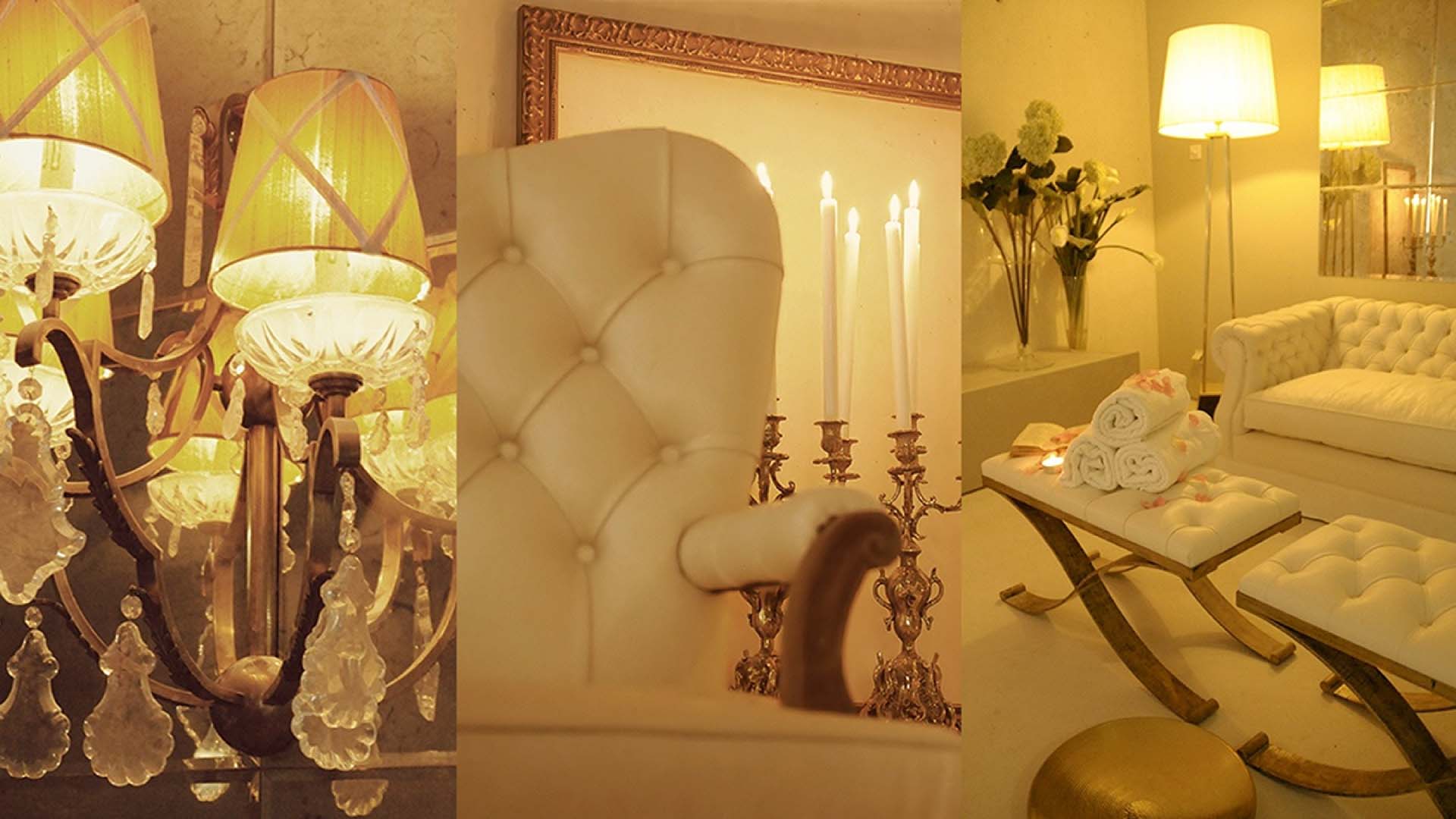
Ponte de Lima received its charter in 1125, from Countess Theresa and her son, and waited nearly nine centuries for a five-star hotel. When one came, it was a modern building on the hillside at Gemieira, and Carmo's Boutique Hotel has been filling it with old things ever since. Furniture handed down through the owners' family stands about the house, and in our inspector's time sepia photographs of relatives hung downstairs, where the shelves of well-thumbed books were lit by candles. The kitchen describes itself in a line that would serve for the whole house. Não reinventamos, preservamos. We do not reinvent; we preserve.
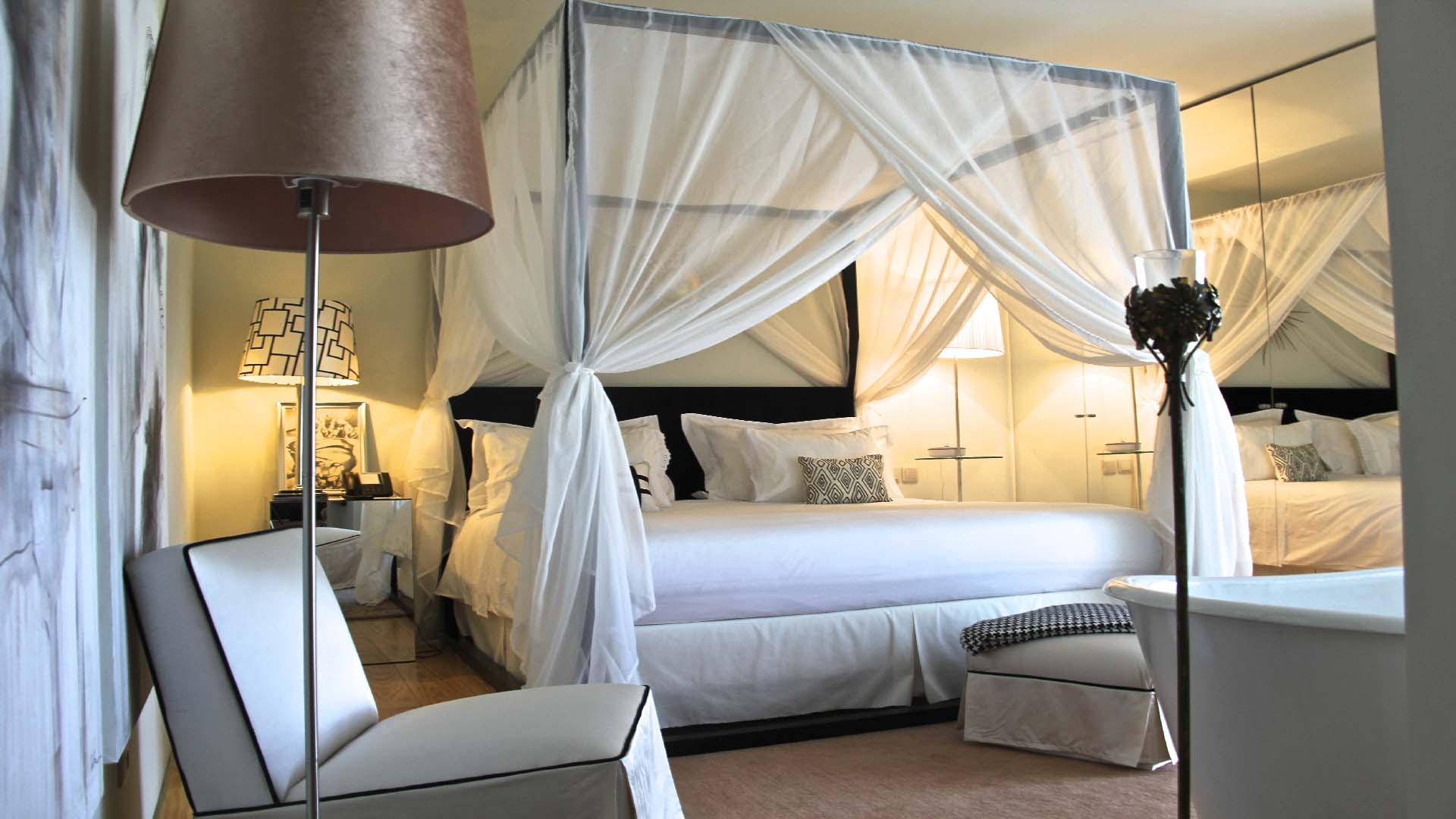
The fifteen rooms and suites have canopy beds, sheets of Portuguese cotton edged in broderie anglaise and soaking tubs, and every window opens to the air. Our inspector found them full of fun and eccentricity, which fits a house that calls itself a boutique hotel “in the style of Dalí” and keeps an Enchanted World of several hundred dolls and music boxes from different eras “for the child in every guest”. Some guests are charmed. Others pass through at a brisk walk.
The best rooms at Carmo's are not in the house at all. Behind it, among Loureiro vines by the lake, stand three tents in the Portuguese colonial style, with iron canopy beds, a rocking chair on the veranda and a bath by the window that looks out to the Serra d'Arga. The Tent Suite Privilege adds a private garden, with a hot tub for the night and a shower in the open air for the morning. The three villas of 2024, with two suites and a pool apiece, were built with families in mind.
The restaurant cooks for residents alone, from what is fresh on the day, so every meal is ordered ahead and confirmed daily, and a whim at seven o'clock is too late. Chef João Araújo's kitchen grills fish and meat over an open fire and takes its vegetables from the village. In our inspector's day much of what reached the table had been grown in the kitchen gardens, with a few nods to the rest of Europe, and the wine list was Portuguese from end to end.
Downstairs, the spa had running water for a soundtrack when our inspector stayed, and a massage room hidden at the back; its Ayurvedic menu works hot bags of herbs into stiff necks and shoulders. Five minutes away by car is the medieval bridge that gave Ponte de Lima its name; further north is Sistelo, the village known as the Portuguese Tibet. The restaurant and the spa are closed to anyone not staying, so the house belongs to its guests and to the relatives in sepia. In our inspector's room the bath faced the hills, and the hour for it was sunset, Champagne in hand, while the sky over them went red, then purple, then blue.


