

€0.00 for 1 Night





24/7 Support
 Looking for help choosing or for a property we don't list? Message our Private Rates Concierge on WhatsApp for member rates and insider knowledge on the right stay
Faralda Crane Hotel
€0.00/ Night
24/7 Support
Looking for help choosing or for a property we don't list? Message our Private Rates Concierge on WhatsApp for member rates and insider knowledge on the right stay
Faralda Crane Hotel — 3 duplex suites stacked inside a 50-metre 1950s harbour crane above Amsterdam's NDSM Wharf, 12 minutes by free ferry from Centraal.
Collections:
Award Winner 2024
World’s Best Chic Hotel
Need To Know
- 3 vertically stacked duplex suites inside the body of the crane: Free Spirit Suite (35m above the IJ — the entry tier, 2 floors, kingsize bed, rainshower, Jacuzzi access); Secret Suite (40m — 2 floors, freestanding bath, panoramic IJ and central Amsterdam views); Mystique Suite (45m — the highest suite, 2 floors, private rooftop Jacuzzi open to the sky)
- The crane: NDSM Crane 13, built in the 1950s, in active service for Amsterdam's NDSM shipyard until decommissioning in 1984. Saved from demolition by entrepreneur Edwin Kornmann Rudi and restored from 2011-2019 (hotel opened 2013) under an architectural vision based on Bernard Tschumi (architect of Parc de la Villette, Paris) — heritage blue-grey and yellow colors preserved, new red additions throughout
- Access: an unmarked heavy iron door at NDSM-Plein 78 (no sign, no doorbell, no lobby) opens onto a panoramic elevator that rises through the crane's steel skeleton to your suite. Property contacts you after booking to provide arrival instructions
- Faralda Studio at the crane's halfway point: 85-guest capacity, Pioneer CDJ-2000 NXS2 setup, VOID Sound System, 50 Mbps symmetric broadband for live streaming. Studio also hosts corporate events up to 80 standing / 28 seated private dining
- CraneSessions — the property's underground music platform. Past performers include Black Coffee, Tale of Us, Bonobo, Maceo Plex, Nina Kraviz, Marcel Dettmann, Skrillex, Armin van Buuren, Jamie Jones, ANNA, Adriatique, ARTBAT, Ferry Corsten, Seth Troxler, The Martinez Brothers, Mind Against, Sara Landry, Rüfüs du Sol, Hot Since 82, Joris Voorn, and several hundred others across the platform's decade-plus history
- Optional extras: Prosecco breakfast in bed (€90 for 2 adults); continental breakfast at neighbouring DoubleTree by Hilton NDSM Wharf 2-min walk (€40 for 2 adults); private boat charter (€300 for 3 hours); security and hostess services on request
- Officially appointed Amsterdam wedding venue. Past corporate clients include LVMH, Red Bull, Samsung, KPMG Meijburg, ABN AMRO, Philips, Bacardi, Honeywell, Villeroy & Boch, Grohe, Forbo Flooring, Rituals
- Adults-only. The vertical architecture, elevator-only access, and unconventional suite footprints don't suit family stays
- Position: NDSM-Plein 78, Amsterdam Noord. 12 minutes by free NDSM ferry from Amsterdam Centraal Station, running every 10 minutes 24/7. Ferry station 600m / 8-min walk from the hotel. Faralda Crane II — a second monumental tower crane currently being relocated from Rotterdam — is set to join the NDSM site for the platform's continued expansion
Check in - Check out
Check in from 14:00; check out before 11:30.
We Love
- The arrival ritual — an unmarked heavy iron door at NDSM-Plein 78. No sign, no doorbell, no lobby. The elevator rises through the crane's steel skeleton, through the working industrial architecture of a 1950s harbour crane, until the doors open into
- The Mystique Suite's rooftop Jacuzzi — at 45 metres, the highest habitable point on the property, with only the sky above. The city unfolds in every direction below; the crane turns slowly in the wind.
- CraneSessions — the property's underground music platform. An invitation to perform here carries genuine weight in the international music industry. Watch the residency calendar.
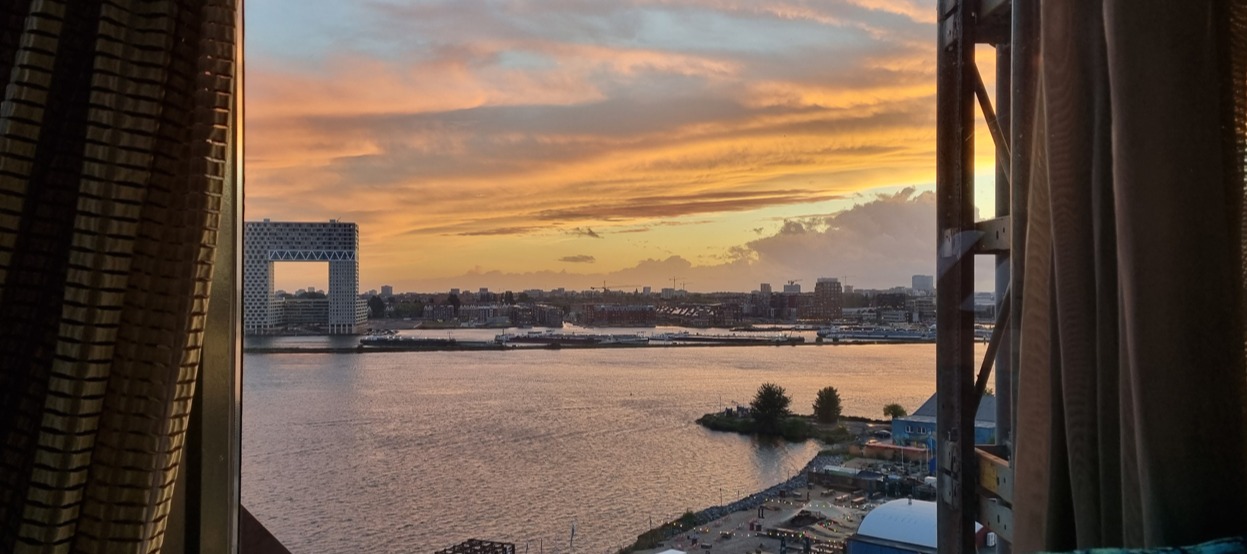
- The view across the IJ — Amsterdam Centraal, the central canal district, the A'DAM building, the Eye Filmmuseum, the wider city spread below. At sunset the city glows in warm golden light across the river.
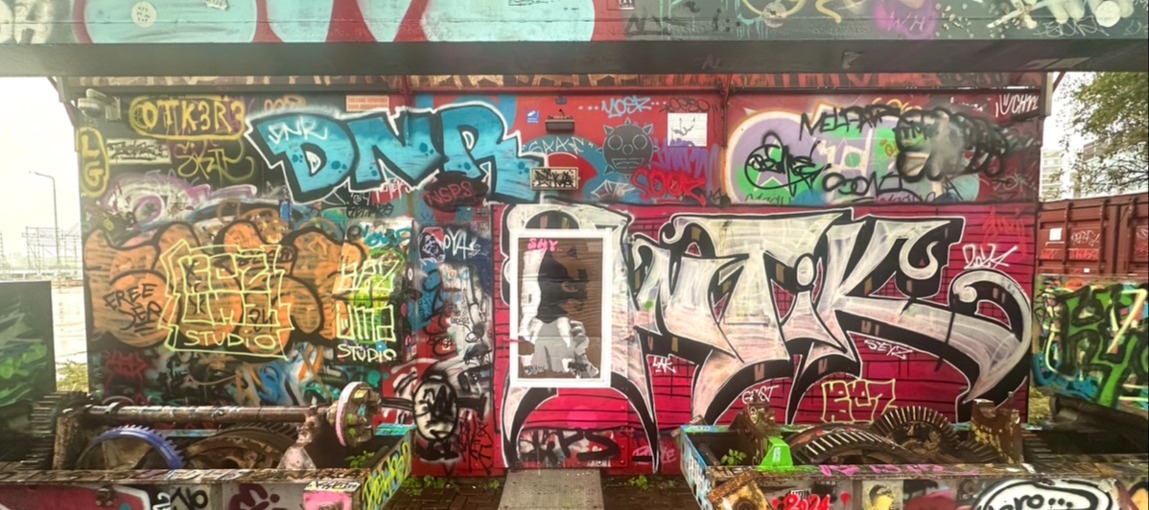
- NDSM Wharf — Amsterdam's post-industrial cultural district. Street art on the warehouses, IJ-Hallen flea market (one of Europe's largest), Eye Filmmuseum, A'DAM building observation tower with its over-the-edge swing, restaurants built into the conve
- The Faralda Studio — VOID Sound System, Pioneer CDJ-2000 NXS2, the kind of editorial register that has drawn LVMH, Red Bull, Samsung, and the world's leading DJs to host private events here.
Key Features






Book Your Stay at Faralda Crane Hotel
€0.00 for 1 Night
Location
Address
Faralda Crane Hotel Amsterdam NDSM-plein 78 1033WB Amsterdam (NL)
Travel Info
Schiphol Airport (AMS) 16 km / 25-30 min by car. Amsterdam Centraal 12 min by free NDSM ferry (every 10 min, 24/7). NDSM ferry station 600m / 8-min walk from the hotel. Tram and metro connections via Centraal for the wider Amsterdam circuit. Private boat charter available from the property for IJ and canal-district cruises.
Last Updated: 2026-05-25

Expert Review
Origins
NDSM Crane 13 is one of the iconic industrial monuments of Amsterdam's northern waterfront — a 50-metre-high harbour crane built in the 1950s to serve the NDSM shipyard (Nederlandsche Dok en Scheepsbouw Maatschappij), the post-war Dutch shipbuilding company that operated one of Europe's largest shipyards on Amsterdam's IJ river through most of the 20th century. The crane was in active commercial service for more than thirty years before the NDSM shipyard closed in 1984, after which the crane stood disused for the next two and a half decades.
In the late 2000s, Dutch entrepreneur Edwin Kornmann Rudi acquired the crane from demolition pending. The restoration ran across 2011-2019 under an architectural vision based on Bernard Tschumi — the Swiss-French architect whose Parc de la Villette in Paris established the colour-coded folies as part of the late-20th-century deconstructivist architectural language. Following Tschumi's vision, the Faralda Crane was restored to its original heritage colours (blue-grey and yellow) with new architectural additions introduced in red throughout. The hotel opened in 2013 as the crane's second life; the wider restoration continued through to 2019 as the music studio, corporate venue, and broader operational infrastructure were added.
The result is one of the most architecturally distinctive hotels in the world — a monumental industrial monument converted into a 3-suite hotel where each suite occupies its own 2-floor level within the crane's steel skeleton, with the music and events studio at the structure's halfway point. Faralda Crane II — a second monumental tower crane currently being relocated from Rotterdam — is set to join the NDSM site as part of the platform's continued expansion.
Top Secret
CraneSessions is the property's underground music platform — a decade-plus trust-building project between the Faralda team and the most respected names in global electronic and underground music. The artist roster reads as a survey of the genre's most influential acts: Black Coffee, Tale of Us, Bonobo, Maceo Plex, Nina Kraviz, Marcel Dettmann, Skrillex, Armin van Buuren, Jamie Jones, ANNA, Adriatique, ARTBAT, Ferry Corsten, Seth Troxler, The Martinez Brothers, Mind Against, Sara Landry, Rüfüs du Sol, Hot Since 82, Joris Voorn, Dubfire, Patrice Bäumel, Magdalena, Mano Le Tough, Pan-Pot, KI/KI, and several hundred others across the platform's history.
The Faralda Studio (halfway up the crane, 85-guest capacity, VOID Sound System, Pioneer CDJ-2000 NXS2 setup) is the venue. CraneSessions runs by invitation only — neither a club night nor a festival stage nor a branded experience designed for social media reach. Worth watching the residency calendar if your stay coincides with a session; access is reserved but available to hotel guests on request.
The Review
NDSM Wharf is Amsterdam's most distinctive post-industrial neighbourhood — the former shipbuilding district on the northern side of the IJ river that has transformed across the past decade from industrial dereliction into the cultural and creative hub of Amsterdam Noord. The wharf's converted shipyard warehouses now house the Eye Filmmuseum (the Dutch national film institute), the A'DAM building (former Shell Tower, now containing Madame nightclub, the Sir Adam hotel, and the highest observation tower in Amsterdam with its over-the-edge swing), the world's first Banksy museum, the IJ-Hallen flea market (Europe's largest, running monthly across the converted warehouse space), and a substantive density of restaurants, bars, and creative-industry workspaces built into the converted shipyard infrastructure. Amsterdam Centraal sits 12 minutes away by the free NDSM ferry that runs every 10 minutes around the clock.
Faralda Crane Hotel occupies the most distinctive structure on the NDSM Wharf — the 50-metre NDSM Crane 13, restored from its 1950s shipyard origins into a 3-suite vertical luxury hotel. The arrival ritual is the property's first editorial signature: there is a heavy iron door at NDSM-Plein 78 with no sign, no doorbell, no lobby. Behind the door is an elevator that rises through the crane's steel skeleton, through the working industrial architecture of the original 1950s structure, until the doors open into your suite somewhere above Amsterdam — above the IJ, above the ordinary city. The vertical journey is part of the proposition; the destination is not separable from how you arrive at it.
The three suites are vertically stacked inside the crane's habitable structure, each occupying its own two-floor level. The Free Spirit Suite sits at 35 metres above the IJ — the entry tier, with a kingsize bed, rainshower, Jacuzzi access, and the NDSM waterfront spread out below across the lower windows. The interior is what the property describes as "raw and liberating" — designed to deliver the height and view as the central experience rather than masking the crane's structural character. The Secret Suite sits at 40 metres, deliberately unconventional, ten metres above the Free Spirit and deeper into the crane's structure — with a freestanding bath, panoramic views across the IJ and central Amsterdam, and the property's hidden-room editorial register: a suite most people will never know exists. The Mystique Suite at 45 metres is the highest of the three — the flagship — with only the private rooftop Jacuzzi rising above it, open to the sky. From the Mystique, Amsterdam is not a backdrop. It is a panorama. The city unfolds in every direction below; the IJ stretches toward the horizon; the crane turns slowly in the wind around you.
The Faralda Studio sits at the crane's halfway point and operates as the property's wider creative and commercial platform. The studio holds 85 guests at standing capacity (28 for seated private dining), and is equipped with a VOID Sound System, Pioneer CDJ-2000 NXS2 setup, and 50 Mbps symmetric broadband for live streaming and broadcasting. The studio runs three programme strands: the CraneSessions music platform (the property's flagship underground DJ series, by invitation only); corporate events for the world's most discerning brands (LVMH, Red Bull, Samsung, KPMG Meijburg, ABN AMRO, Philips, Bacardi, Honeywell, Villeroy & Boch, Grohe, Forbo Flooring, Rituals all named in past clientele); and private events including the property's status as an officially appointed Amsterdam wedding venue. Faralda Crane II — the second monumental tower crane currently being relocated from Rotterdam — is set to join the NDSM site for the platform's continued expansion.
For hotel guests, the property operates with a closed-club editorial register that aligns with the broader Faralda identity. Property staff contact you after booking to arrange access (the unmarked iron door requires advance coordination); security and hostess services are available on request; private boat charter (€300 for 3 hours) can be arranged for IJ and central canal-district cruises; Prosecco breakfast in bed in your suite (€90 for 2 adults) or continental breakfast at the neighbouring DoubleTree by Hilton NDSM Wharf (€40 for 2 adults, 2-min walk) cover the morning service. The crane does not run its own on-site restaurant; for dinner, the NDSM Wharf and the broader Amsterdam Noord circuit carry substantial restaurant inventory accessible by foot or by short ferry hop to central Amsterdam.
The wider Amsterdam circuit runs in both directions from the property. Across the IJ in central Amsterdam: Amsterdam Centraal Station is 12 minutes by free NDSM ferry, with onward tram and metro connections to Dam Square (5 min walk from Centraal), the Anne Frank House (12 min walk from Centraal), the Rijksmuseum (15 min by tram), the Canal District (immediate from Centraal), and the Jordaan neighbourhood (10 min walk from Centraal). On the NDSM side: the Eye Filmmuseum sits 15 min walk east; the A'DAM building with the observation deck and swing is 15 min walk east; the IJ-Hallen flea market runs across the converted warehouse spaces around the property; the NDSM street art circuit covers the former shipyard walls. The free NDSM ferry running 24 hours makes the property unusually accessible to central Amsterdam without sacrificing the post-industrial Amsterdam Noord setting.
Worth the journey for: travellers wanting genuinely unique architecture (no other hotel in the world offers 3 duplex suites inside a converted 1950s harbour crane); music-and-cultural travellers drawn to CraneSessions and the wider Faralda music platform — even outside performance dates, the platform's editorial register carries through the property; couples seeking a height-and-intimacy hotel proposition (the rooftop Jacuzzi on the Mystique is unmatched in Amsterdam); corporate event planners requiring distinctive venue character (LVMH, Red Bull, Samsung, ABN AMRO precedents); design and architecture enthusiasts attracted to Bernard Tschumi's restoration vision and the broader 2011-2019 conversion programme; travellers wanting to stay in Amsterdam Noord and the NDSM Wharf rather than the canal-district tourist core; wedding parties seeking an officially appointed Amsterdam venue with genuine character. Less so for: travellers requiring on-site restaurant programmes (no resident restaurant; breakfast options arranged but dinner is off-property); families with children (adults-only positioning, vertical architecture, elevator-only access and unconventional suite footprints); guests with claustrophobia or vertigo (the elevator journey through the crane's structure and the suite heights at 35-45 metres are part of the experience but may not suit all guests); travellers wanting the traditional canal-house Amsterdam register (Faralda is the antithesis — post-industrial, vertical, contemporary); guests requiring full wheelchair access (the crane's structural constraints limit accessibility in places).


