

€404.70 for 1 Night





24/7 Support
 Looking for help choosing or for a property we don't list? Message our Private Rates Concierge on WhatsApp for member rates and insider knowledge on the right stay
€404.70/ Night
24/7 Support
Looking for help choosing or for a property we don't list? Message our Private Rates Concierge on WhatsApp for member rates and insider knowledge on the right stay
A tented safari camp beside Yala National Park in Sri Lanka, with air-conditioned tents in three kinds and rangers the company trains itself.
Collection:

Award Winner 2019
Asia's Best Honeymoon Hideaway Hotel

Free extra on us
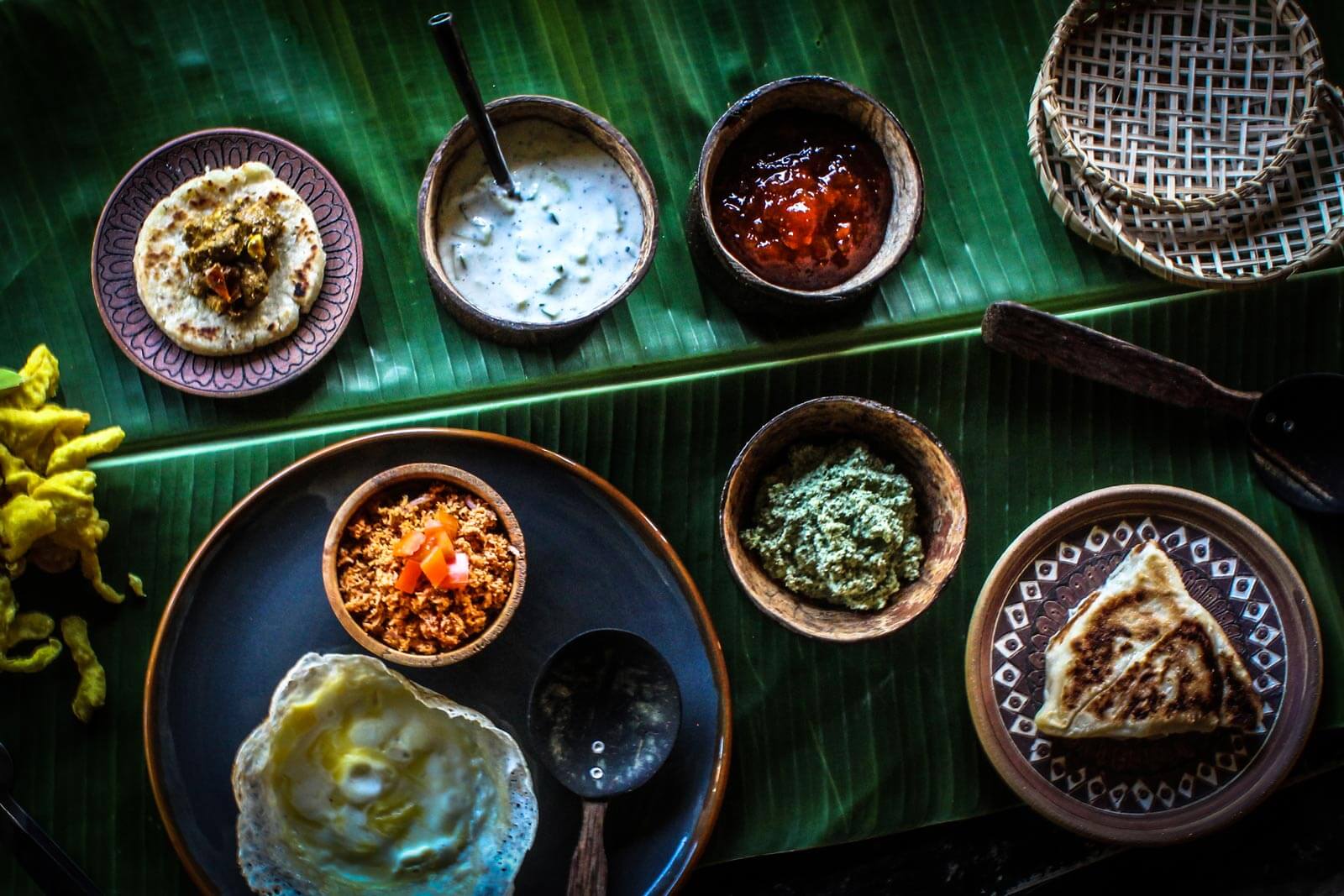
Complimentary guided cooking class showcasing the rich history and flavour of authentic Sri Lankan cuisine.
Need To Know
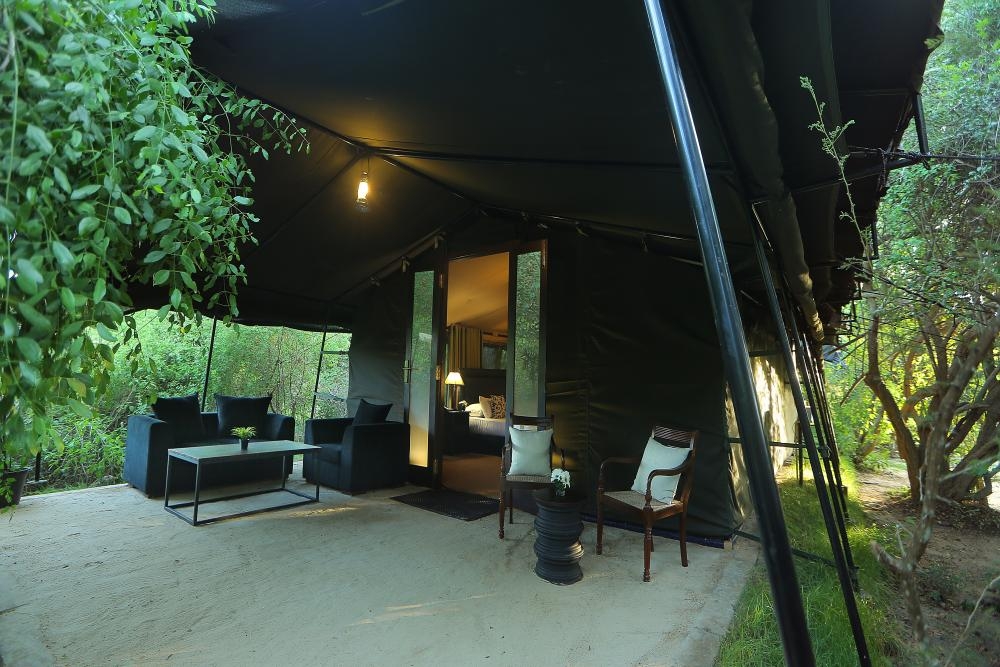
- Three kinds of tent at the Yala camp: Deluxe tents of 300 square feet, and Pool Suites and Lake Suites of 700 each, verandah included.
- Extra beds and baby cots can be placed in the tents.
- Our favourite rooms: the Lake Suites, which the camp itself says have the best views of all its tents, kingfishers included.
- The Pool Suites have a pool of their own and the Lake Suites do not.
- The camp says the game viewing holds all year, the monsoon rains turning the park green.
- The same company keeps a second camp at Wilpattu National Park, in the north-west of the island.
Check in - Check out
Check in from 14:00; check out before 12:00.
We Love
- Four kinds of mongoose on the camp's list for Yala, the stripe-necked, the ruddy, the Indian grey and the brown, in a park with more to show than one cat.
- The call of the Indian nightjar at dusk, which the founders spell tuk-tuk-tuk-trr and take as the announcement of night.
- Mosquito repellent, bathrobes and charging points for cameras laid on in every tent, the practical end of a romantic idea.
- Access ramps to the Lake Suites and steel cable round their decks, so that a wheelchair and a small child are equally safe above the water.
- Malmi's choice of hero, the late Steve Irwin, which tells a guest what kind of drive to expect before the engine starts.
- The Manik Ganga and the Kumbukkan Oya, the two rivers the camp calls the park's lifeline through the dry months.
Key Features



Book Your Stay at Leopard Trails
€404.70 for 1 Night
Location
Address
Yala National Park, Palatupana, 10116, 10116, Sri Lanka or Wilpattu Sanctuary Rd, Pahala Maragahawewa, Sri Lanka
Travel Info
The Yala camp is about five hours by road from Bandaranaike International Airport near Colombo. The team meets guests close by and drives them in by four-wheel-drive to the camp, some 7 kilometres from the park's Katagamuwa entrance.
Nearby Places
It is a five hour drive from Bandaranaike International Airport to Yala. Guests will be met nearby by the Leopard Trails team, then transferred into a four-wheel vehicle and driven to the site, located approximately 7km from the Katagamuwa entrance to Yal
250m


Expert Review
Origins
The founders were taken into the jungle as children in the late 1980s, by parents with a taste for it. Radheesh Sellamuttu, who heads the company, spent his twenties organising camping expeditions for his friends and had his jungle lore from his father and uncle. Their first camp stood beside what they call the gem river, with a small canvas gazebo for a kitchen, and everything, guests included, was driven across the water to reach it. Guides and owners still travel to Africa on exchange, to learn from the camps there.
Top Secret
Go in February if butterflies interest you, since the camp says the park is at its best for them as the north-east monsoon ends. And tell your ranger at the start what you care about beyond leopards: the camp's speciality, in its own words, is adapting the safari to the guest.
The Review
In its first season the company owned one vehicle, and the vehicle enjoyed breaking down. When it did, the guests were walked round the edge of camp to look at birds instead. Leopard Trails began like that in 2012, with three canvas tents on a riverbank in Yala, and the lesson of the broken jeep has stayed with it: what a guest remembers of a safari is the person doing the pointing.
So the effort went into rangers. The camp ran what it calls the island's first ranger training programme, with trainers from South Africa, and the guide hired for that first season is now head ranger and trains the others. They are an unusual crew. Malmi came from information technology and is, the camp reports, the first to ask for extra reading. Krishan has waved flags as a marshal at Formula One races in Singapore and Australia. Dhanula, a zoologist, is the house authority on leopards and on dragonflies, and keeps the project that identifies Yala's leopards one by one. Drives go out in the morning and the late afternoon in adapted four-wheel-drives, with bean bags to steady a camera, and last between two hours and four.
Yala may hold more leopards to the square kilometre than anywhere on earth, a theory the camp repeats with due caution, and it is also among the most visited parks in the country, which is the candid half of the same sentence. The rangers answer the crowds by widening the subject: a hundred species of birds in a two-night stay, mugger crocodiles, elephants with tusks. Back in camp the tents are air-conditioned and come in three kinds. The Deluxe tents keep a private shower under the sky at the back. The Pool Suites are named Wood Apple and Tamarind. We would take a Lake Suite, raised on a timber deck over the water, with bean bags on the verandah for watching eagles at the nest and a secret tunnel to the suite next door, which may interest children more than the leopards do.
Dinner can be laid in the bush under what the camp calls its bush chandelier, a cluster of old kerosene lanterns, or eaten round the fire with a cold beer. The fire matters here. The whole enterprise was agreed beside one, after a good day on the stock market, a sighting of a big male leopard called Hamu and a few drinks, which is as sound a basis for a business plan as most. Guests are now taught how to build one.


