

€286.50 for 1 Night





24/7 Support
 Looking for help choosing or for a property we don't list? Message our Private Rates Concierge on WhatsApp for member rates and insider knowledge on the right stay
The Toren
€286.50/ Night
24/7 Support
Looking for help choosing or for a property we don't list? Message our Private Rates Concierge on WhatsApp for member rates and insider knowledge on the right stay
The Toren — 40 rooms in two 1618 canal houses on Amsterdam's Keizersgracht, UNESCO Canal District. Theatrical baroque interior by Wim van de Oudeweetering.
Collections:

Award Winner 2014
Design Hotels
Need To Know
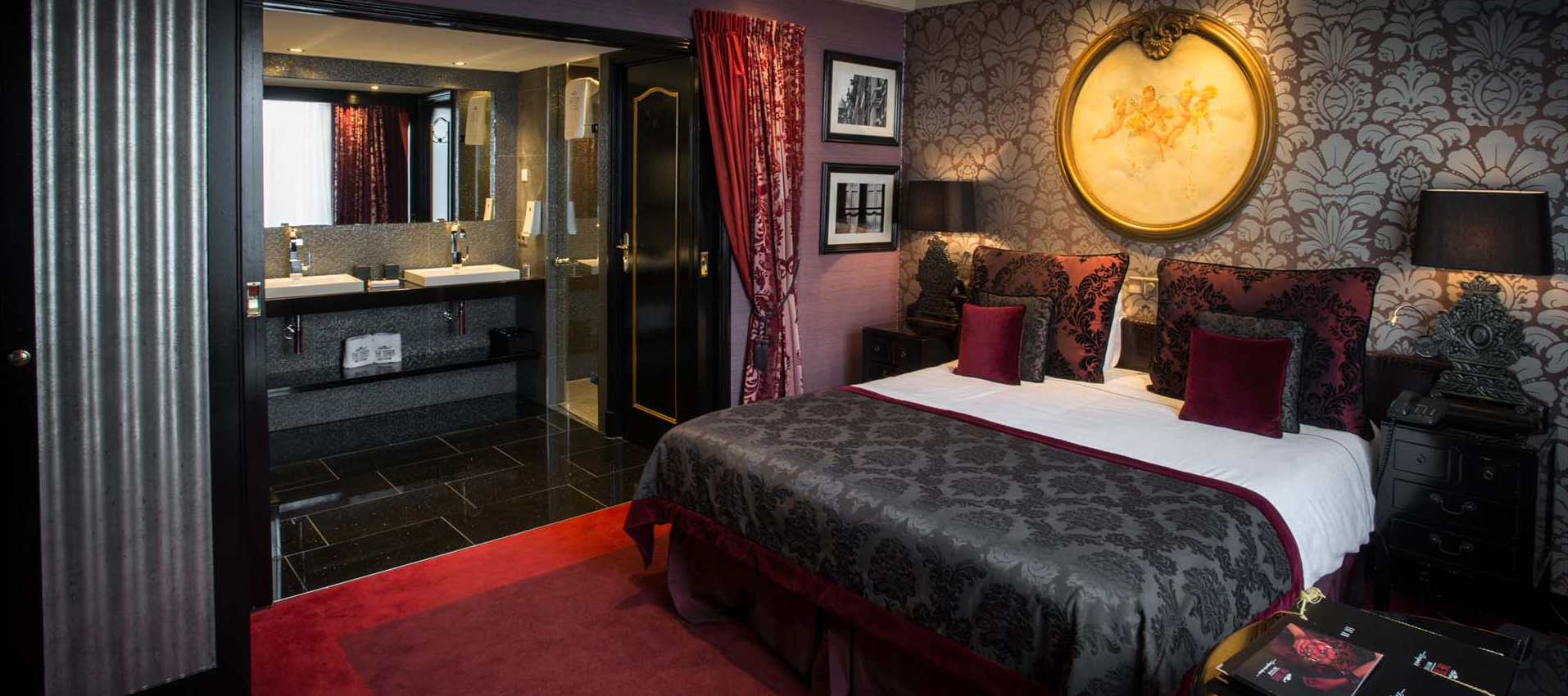
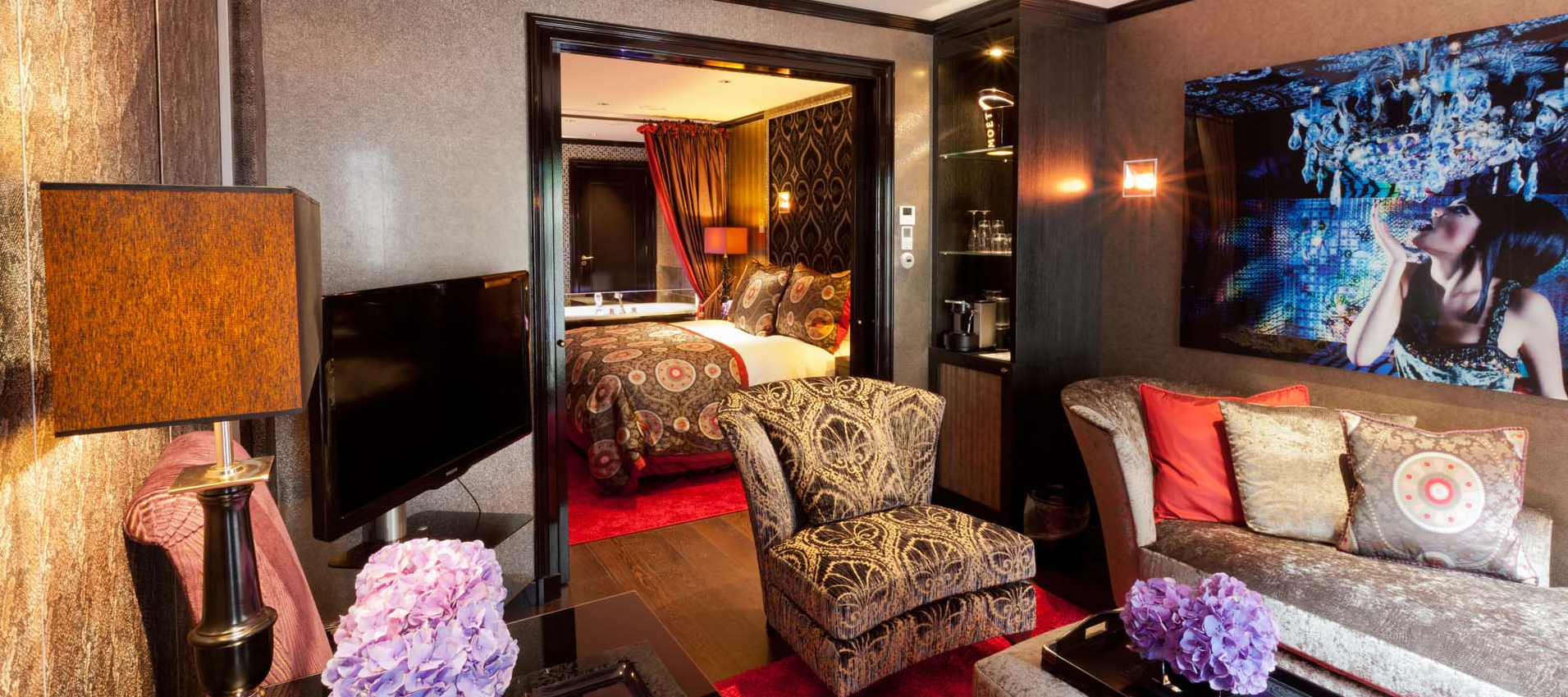
- 40 individually decorated rooms across two adjacent 17th-century canal houses on the Keizersgracht (just a 20-second walk between the two houses). Categories: Cosy Single (11-15 m²); Double Rooms (17-22 m²); Luxurious Doubles (24-30 m²); Suites (25-46 m² with in-room double Spa Whirlpool bath). Views over the Keizersgracht canal, the property's interior gardens, or neighbouring 17th-century architecture
- Building dates to 1618 — 400+ years of canal-house heritage. The property carries the de Toren family name (Dutch for "The Tower," referring to the Westerkerk tower visible from the property). The Toren family bought the building in 1968 and ran it as a hotel until selling to The Pavilions Hotels & Resorts in 2016, who have operated the property since under interior design by Wim van de Oudeweetering
- Interior: theatrical baroque-meets-contemporary register — flocked wallpaper, silk and velvet upholstery, rich purples and golds, dark smoked glass, antique mirrors. Every room individually decorated. Many rooms with bedside Jacuzzis or whirlpool baths; some suites with double-sized steam showers
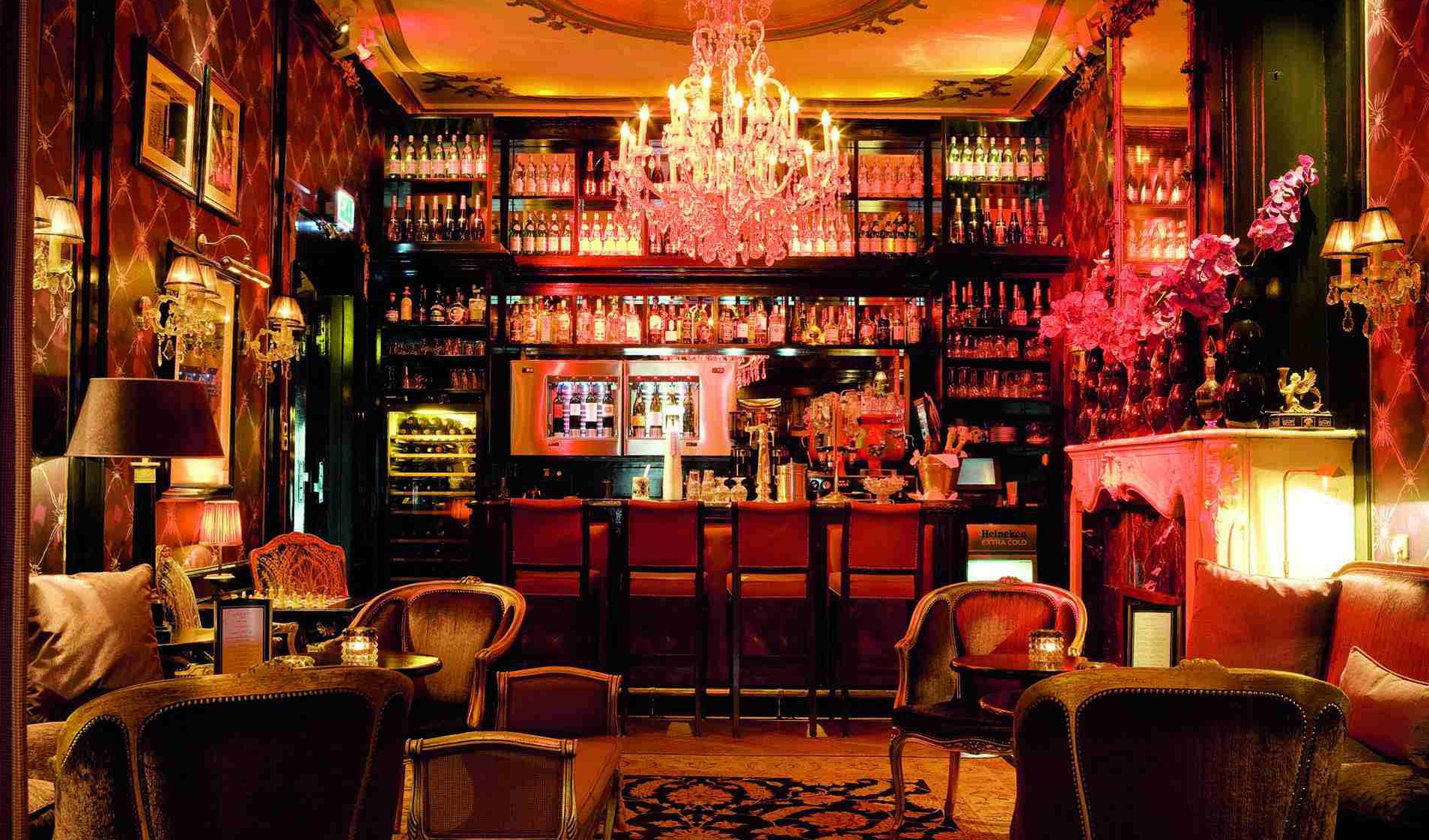
- Lounge Bar — the property's social hub, à la carte breakfast, cocktails and a Greek and international wine list. Ceiling mural painted by students from Leiden University, where Rembrandt once studied. No on-site restaurant kitchen — F&B partnership with nearby Christophe restaurant: refined French cuisine in silver-plated containers, served either in the Lounge Bar or delivered to your room
- Meeting Room for up to 10 people — half-day €350, full-day €595, including coffee, tea, mineral water, audio equipment and flip chart
Check in - Check out
Check in from 14:00; check out before 12:00.
We Love
- The 1618 building — two adjacent 17th-century canal houses on the Keizersgracht, 400+ years of canal-house heritage, the kind of historic envelope no contemporary luxury hotel can manufacture.
- The theatrical baroque interior by Wim van de Oudeweetering — velvet wallpaper, vivid patterns in purple, red, black and gold, antique mirrors, the kind of registers that should read overdone but instead read deliberate.
- The ceiling mural in the Lounge Bar — painted by students from Leiden University, where Rembrandt once studied. Replicas feature in some of the suites.
- The Christophe room service — refined French cuisine delivered in silver-plated containers from the restaurant down the street, served in your room or in the velvet seats of the Lounge Bar.
- The position — around the corner from the Anne Frank House, 5 minutes to Dam Square, 15 to Centraal — yet on a quiet stretch of the Keizersgracht where, when night falls, pale orange streetlights glance off the water and it's easy to imagine barges f
- Renting a private boat to navigate the UNESCO canal network — the concierge arranges directly.
Key Features








Book Your Stay at The Toren
€286.50 for 1 Night
Location
Address
The Toren, Keizersgracht 164, 1015 CZ Amsterdam.
Travel Info
Schiphol Airport (AMS) 17 km / 20-30 min by car or taxi. Schiphol shuttle bus €17.50 per person one-way (45-60 min, multiple hotel stops). Centraal Station 15-min walk. Dam Square 5-min walk. Anne Frank House 5-min walk. Westerkerk 4-min walk.
Nearby Places
From the Amsterdam Airport Schiphol, it may take a 20-minute drive.
17km
Last Updated: 2026-05-25

Expert Review
Origins
The Toren occupies two adjacent 17th-century canal houses on Amsterdam's Keizersgracht — one of the four main canals of the city's UNESCO World Heritage-listed Canal District, the ring of waterways that has defined Amsterdam's geography since the Dutch Golden Age. The principal building dates to 1618 and has stood for more than 400 years on the prestigious Keizersgracht stretch.
The hotel takes its name from the de Toren family (Dutch for "The Tower," referring to the Westerkerk church tower visible from the property a few minutes' walk away). The family bought the building in 1968 and converted it into a hotel, expanded the operation across two adjacent canal houses, and ran it under family ownership through to 2016, when they sold the property to The Pavilions Hotels & Resorts — a small luxury hospitality group with sister properties across Amsterdam, Madrid, Italy, Bali, Phuket, the Himalayas, Mongolia and France.
The Pavilions Group brought in Dutch interior designer Wim van de Oudeweetering to lead the interior programme — a theatrical baroque-meets-contemporary register built around lush velvet fabrics, vivid patterns in purple, red, black and gold, antique mirrors, flocked wallpaper, and silk and velvet upholstery. The decision was to lean into the historic envelope rather than strip it back to neutral contemporary minimalism — a register that should read overdone but instead reads deliberate, an interior that knows what it is.
The property today carries 40 individually decorated rooms distributed across the two canal houses, which sit a 20-second walk apart on the Keizersgracht. The room categories run from the Cosy Single (11-15 m², the genuinely intimate footprint that the heritage canal-house dimensions impose) through the Double Rooms (17-22 m²), the Luxurious Doubles (24-30 m²), and the Suites (25-46 m² with in-room double Spa Whirlpool baths). Many rooms feature bedside Jacuzzis, twin sinks, walk-in rain showers, and a few suites carry double-sized steam showers.
Top Secret
The Lounge Bar is the property's social hub and editorial centrepiece — and the ceiling carries the property's most-cited detail. The ceiling mural was painted by students from Leiden University, where Rembrandt himself once studied as a young art student before relocating to Amsterdam in 1631. The connection is one step removed from Rembrandt direct, but the painterly heritage runs through it nonetheless, and replicas of the mural feature in some of the suites for guests who'd like to extend the reference into their room.
The bar itself — velvet seating, antique mirrors, dark smoked glass, the substantial wine and cocktail programme — is where the property's social life concentrates. Worth knowing about for non-resident visitors too; the bar accepts walk-ins outside breakfast hours.
The Review
Amsterdam's central Canal District is the city's most internationally recognised geography — the concentric ring of four major canals (Singel, Herengracht, Keizersgracht, and Prinsengracht) built across the 17th century during the Dutch Golden Age and listed by UNESCO as a World Heritage Site since 2010. The Keizersgracht ("Emperor's Canal") is the central and widest of the four, the most prestigious historically — the canal where the wealthiest 17th-century merchants built their canal houses and which retains the highest concentration of grand townhouse architecture today.
The Toren occupies a quiet stretch of the Keizersgracht — around the corner from the Anne Frank House (5 minutes' walk), 5 minutes from Dam Square, 15 from Centraal Station, and 20 from the famously crowded red-light district at the city's eastern edge. The position is central but the immediate surrounds carry none of the centre's atmosphere — quiet cobbled streets, historic stonework bridges, when night falls the pale orange streetlights glance off the water and it's easy to imagine a time when barges floated down the canal, transporting exotic goods to Europe's premier port city.
The hotel's two adjacent canal houses sit 20 seconds' walk apart on the Keizersgracht — a configuration that means guests at one house can move freely between the buildings, and the operational footprint feels more like two combined private residences than a single hotel block. The heritage canal-house dimensions impose certain constraints: rooms run cosier than a contemporary new-build would deliver, the staircases twist as 17th-century Amsterdam staircases do (the building is not wheelchair-accessible as a result), and the floor plan feels in some ways more like a residence than a hotel. For travellers wanting the authentic canal-house experience, the constraints are the point.
Inside, the Wim van de Oudeweetering interior runs through the entire footprint — flocked wallpaper, silk and velvet upholstery in rich purples and golds, dark smoked glass, antique mirrors, floral accessories layered into the public areas. The rooms are individually decorated; each carries a bespoke feature or two — bedside Jacuzzis, ensuite steam rooms, in-room double Spa Whirlpool baths in the suites, walk-in rain showers across most categories. The design register is theatrical baroque tinged with shades of neoclassicism — not the contemporary Scandinavian minimalism that dominates much of contemporary Dutch hospitality, but a register that leans into the heritage building rather than pretending it isn't there.
Dining at The Toren departs from the standard hotel programme. There is no on-site restaurant kitchen — the property runs its F&B through the Lounge Bar (à la carte breakfast options, cocktails, Greek and international wine list) and through a long-standing partnership with the nearby Christophe restaurant, which delivers refined French cuisine in handcrafted silver-plated containers either to your room or to the velvet seats of the Lounge Bar. The arrangement carries a domestic register that few Amsterdam luxury hotels match. For dinner outside the property, the surrounding Canal District and Jordaan neighbourhood carry dozens of restaurants within a 5-10 minute walk, and the concierge will book on request.
The Lounge Bar itself runs as the social heart of the property — the ceiling mural anchors the room, the velvet seating and antique mirrors carry the wider design language, the cocktail programme is substantial. Outside breakfast hours the bar is open to non-resident visitors too; in practice it operates more as a small neighbourhood bar with the hotel guests as the core audience.
The property has a Meeting Room for small business gatherings of up to 10 — half-day €350, full-day €595, including coffee, tea, mineral water, audio equipment and flip chart. The Pavilions Group also offers Curated Journeys programmes for Amsterdam stays: Haute Culture (the city's UNESCO Canal District + Anne Frank House + Rembrandt-era cultural circuit + the major galleries and cafés) and Just The Two Of Us (Amsterdam for couples — restaurants, canal cruises, the romantic Jordaan circuit).
The wider Amsterdam circuit runs directly from the property. The Anne Frank House (the museum at Prinsengracht 263 where Anne Frank wrote her diary) sits 5 minutes' walk south along the canals. The Jordaan neighbourhood (Amsterdam's most photogenic quarter — cobbled streets, brown cafés, independent galleries, the Saturday Noordermarkt, the Westerkerk church) starts directly behind the hotel. Dam Square with the Royal Palace and Nieuwe Kerk sits 5 minutes east. The Nine Streets (De Negen Straatjes) boutique shopping district — independent designers, vintage shops, specialist cafés — runs 3 minutes' walk south. Centraal Station (the central rail hub for trains to Schiphol, Brussels, Paris, and across the Netherlands) is 15 minutes' walk east. The Rijksmuseum, Van Gogh Museum, and Stedelijk Museum (Museumplein) are 15-20 minutes by tram or bike. Renting a private boat to navigate the canals — the most distinctive Amsterdam experience — is arranged directly by the concierge.
Worth the journey for: travellers wanting a genuinely historic Amsterdam canal-house experience over a contemporary luxury hotel — The Toren delivers the 1618 building character that the new-build properties cannot manufacture; design-conscious travellers attracted to Wim van de Oudeweetering's theatrical baroque-meets-contemporary interior; couples drawn to the bedside Jacuzzis and the Lounge Bar's velvet seating for late-night cocktails; cultural travellers wanting Anne Frank House and Jordaan proximity on foot; multi-day visitors wanting the central Canal District position without the red-light district crowds; small-group business travellers (the Meeting Room handles up to 10). Less so for: travellers requiring wheelchair access (the heritage building's twisting staircases cannot accommodate); guests wanting a full on-site restaurant programme (the Christophe partnership covers dining but there's no resident chef or à la carte dinner restaurant on the property); travellers wanting contemporary Scandinavian minimalist hotel design (The Toren commits to its theatrical baroque register entirely); families with younger children (the small heritage footprint and the adults-oriented design register don't suit the family-and-kids market).


