Destination, hotel name or experience

Boutique Hotels in Philippines

Introducing Philippines

The Philippines is the outlier of Southeast Asia: an archipelago of more than seven thousand islands, Catholic rather than Buddhist, shaped by three centuries of Spanish rule and half a century of American influence, and speaking more English than any of its neighbours. For the traveller that adds up to a country that feels at once familiar and unlike anywhere else in the region, and one defined above all by the sea.


Beaches are the headline, and they are among the best on earth: the powder sand of Boracay, the limestone bays of Palawan, the dive reefs scattered the length of the country. But the Philippines is more layered than its postcards suggest. Manila carries four colonial centuries in its churches and walled city; the hills of Batangas pair diving and heritage two hours from the capital; and beyond the famous spots lie thousands of islands that see barely a visitor.


There is a cultural texture to match the scenery. Spanish churches and fortresses, American-era boulevards, Chinese trading quarters and indigenous traditions overlap across the islands, and the food, long overlooked, is having its moment, from the sour-savoury staples of Filipino home cooking to the country's distinct coffee and cacao. English is widely spoken, which makes the Philippines one of the easier corners of Asia to travel independently.


The catch, and the charm, is the geography. Getting between islands means flights and boats, and distances that look small on a map take real time to cross, so trips here tend to pick a region or two rather than attempt the lot. This edit follows that logic: a small set of places across the country, chosen so the decision is about which Philippines you want, the beach, the dive, the city or the quiet, rather than working through a directory.

Browse on Map — Philippines

Explore 4 exceptional boutique hotels hand-picked in Philippines. Click a pin to discover each property.

Regions in Philippines

Hotels in Philippines

El Nido Pangulasian

Philippines, El Nido

El Nido Pangulasian

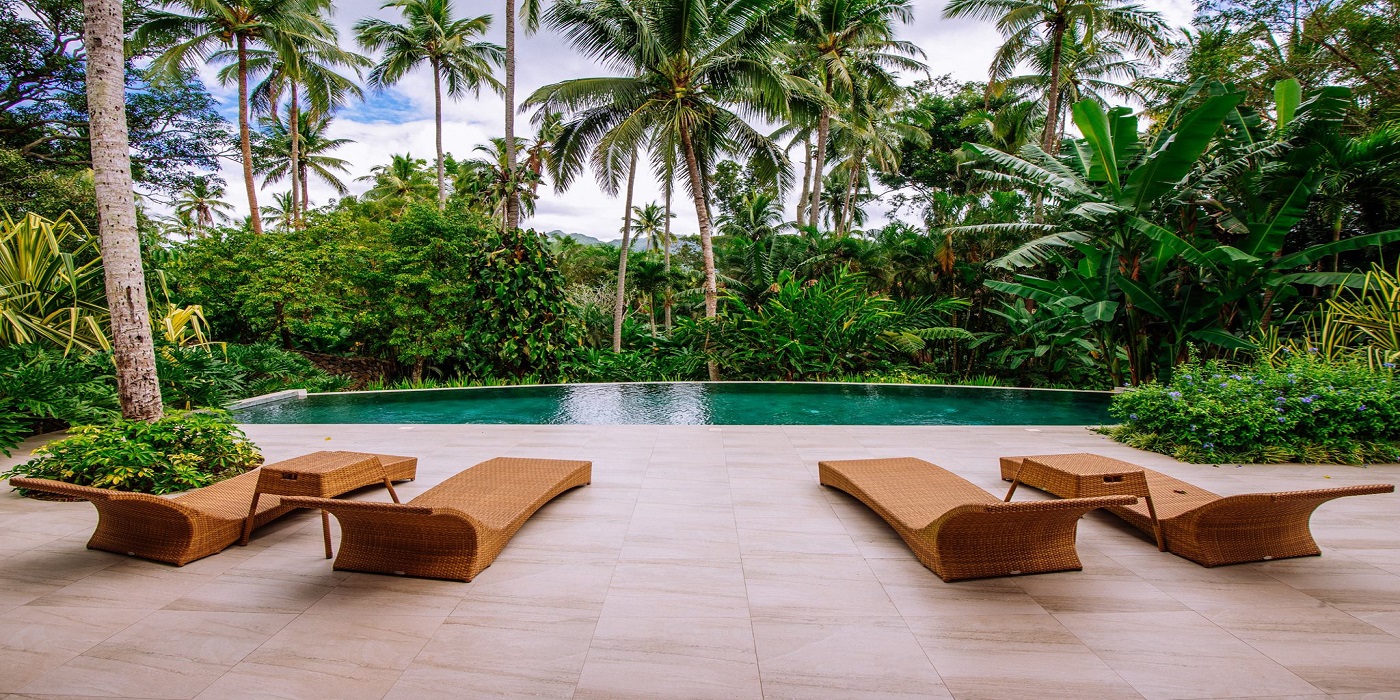
A 42-villa private-island resort on Bacuit Bay, with a long west-facing beach, a protected house reef and real conservation credentials, reached by…

€715.80

Price for 1 night from

The Farm at San Benito

Philippines, Batangas

The Farm at San Benito

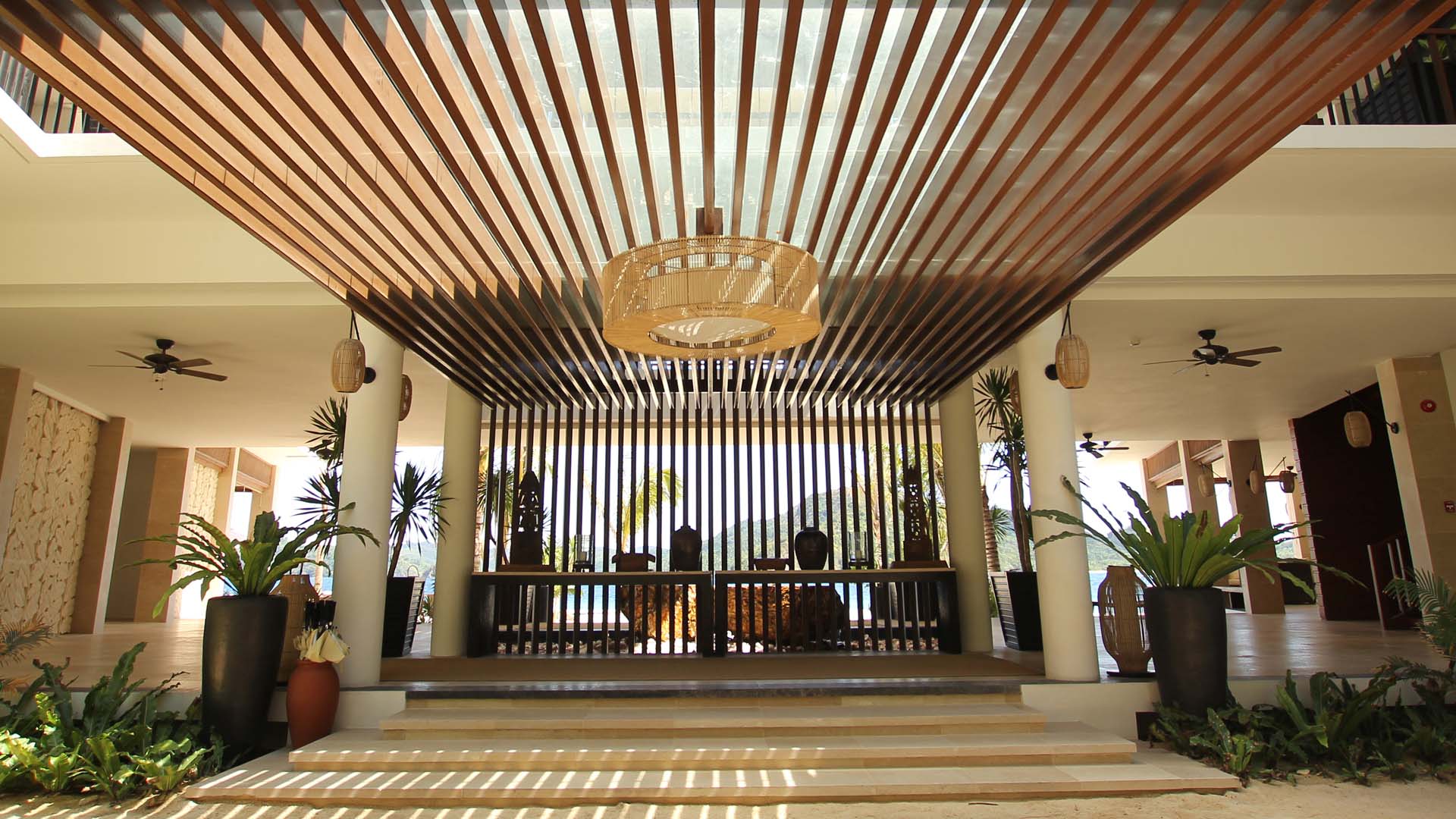
A medical-wellness retreat on 52 hectares below the Malarayat mountains, 90 minutes from Manila, pairing integrative doctors with plant-based cuisine…

€165.80

Price for 1 night from

The Henry Hotel Manila

Philippines, Manila

The Henry Hotel Manila

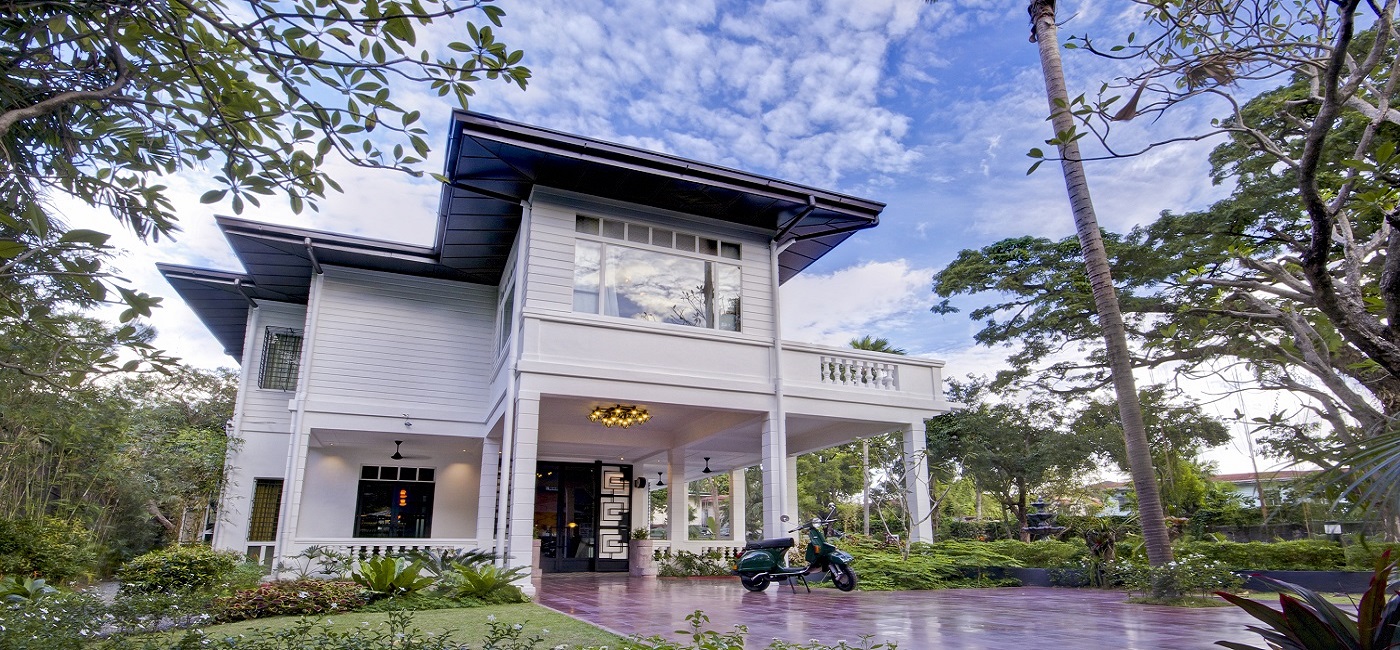
A 34-room design hotel in a post-war Pasay compound turned artists' enclave, with interiors by Eric Paras, a heritage garden and a quiet that the…

€71.70

Price for 1 night from

Under The Stars Luxury Apartment

Philippines, Boracay

Under The Stars, Luxury Apartments

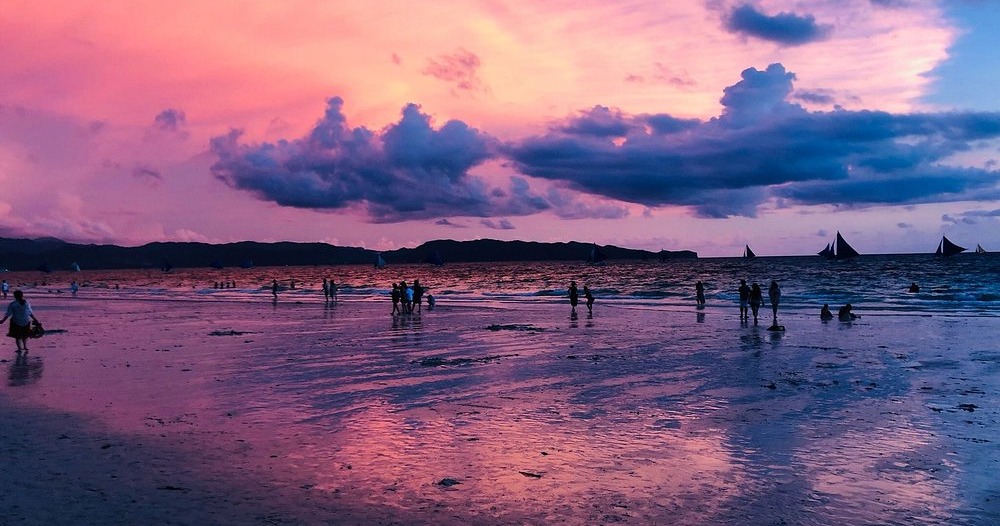
Four vast three-bedroom beachfront apartments plus a penthouse on Boracay's quiet Tambisaan Beach, fully serviced yet self-catering, for families…

Philippines Guide

Where to Go

The Philippines repays choosing a region rather than chasing the whole archipelago. Most trips begin in Manila, the chaotic, characterful capital on Luzon, worth a night or two for Intramuros, its museums and its dining before moving on. Two hours south, Batangas packs diving at Anilao, the heritage town of Taal and cool wellness hills into an easy weekend from the city. For the classic Philippine beach, Boracay remains the benchmark, a small island built around four kilometres of white sand, calmer since its 2018 clean-up. And for the country's most spectacular scenery, El Nido in northern Palawan opens up Bacuit Bay, a maze of limestone islands, hidden lagoons and coral reefs explored by boat. Between them these cover the main faces of the country, urban, underwater, beach and island wilderness, and each works as a base for several days rather than a fleeting stop.

When to Go

The Philippines runs on a dry and a wet season, though the timing shifts across the islands. Broadly, the dry months between November and May are the reliable window, with December to February the cool, popular peak and March to May hot but bright. The wet season between June and October brings heavier rain and the typhoons the country is prone to, which can disrupt flights and boat transfers, though it is cheaper and greener. For island-hopping and diving, the dry season is well worth the higher prices, and the far south stays drier later than the north.

Getting There and Around

Most international flights land at Manila's Ninoy Aquino airport, with Cebu a growing second gateway. Getting around the archipelago means domestic flights, which are cheap and frequent but weather-dependent, followed by boats or short transfers to the islands and resorts. Overland travel is slow, so most itineraries hop by air between regions rather than driving. Within the cities, ride-hailing apps are the easiest way to navigate; on the islands, tricycles, e-trikes and boats do the work. Allowing buffer time around domestic connections is wise, especially in the wet season, when a cancelled flight or boat can reshape a day.

Beyond the Highlights

The four regions here are a starting point, not the whole country. Cebu and the central Visayas offer whale sharks, waterfalls and their own island-hopping; Siargao draws surfers to its reefs; Bohol has its Chocolate Hills and tarsiers; and the far south around Mindanao and the Sulu Sea holds some of the most remote diving in Asia. The Philippines is large and unevenly developed, so the rule holds across all of it: pick a region, give it time, and let the islands rather than the itinerary set the pace.

Frequently Asked Questions about Philippines

Icon of Here for You
Here for You
Icon of Free Extras on Arrival
Free Extras on Arrival
Icon of Best Price Guarantee
Best Price Guarantee
Icon of Personally Approved Hotels
Personally Approved Hotels
Icon of Exclusive Offers
Exclusive Offers
Icon of New Finds Every Month
New Finds Every Month