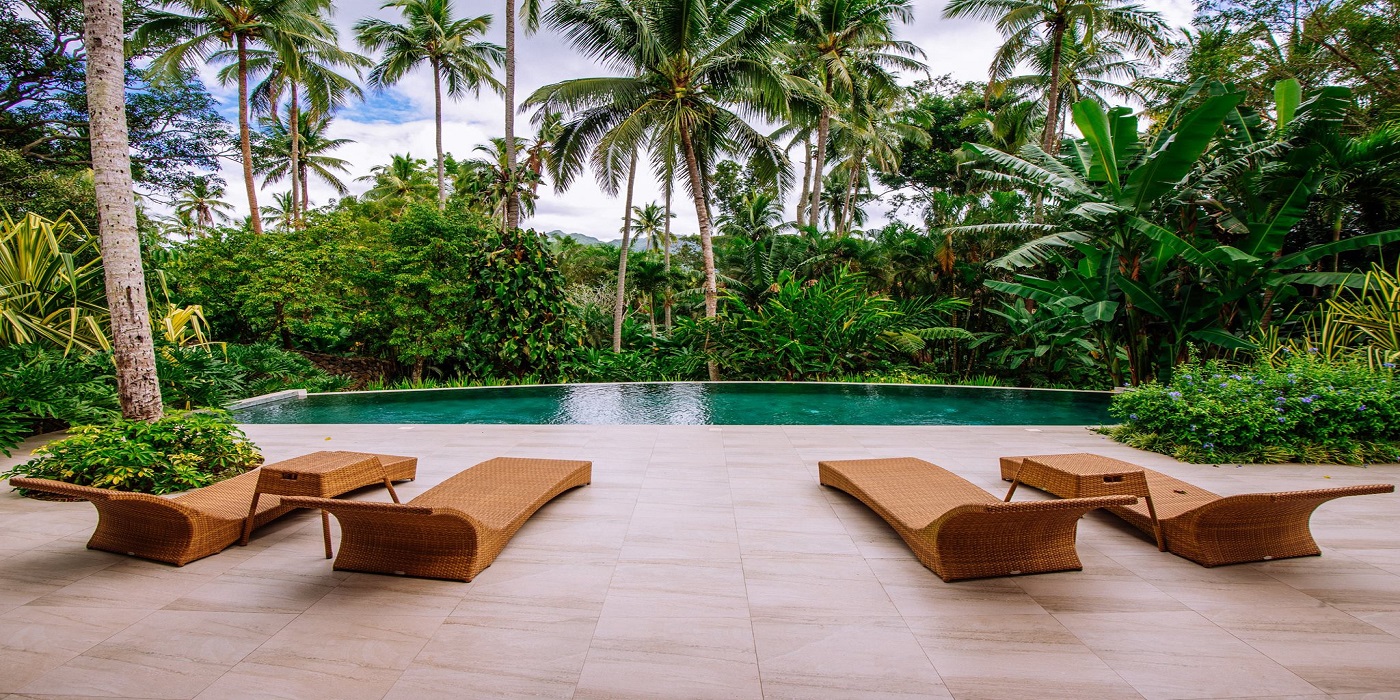
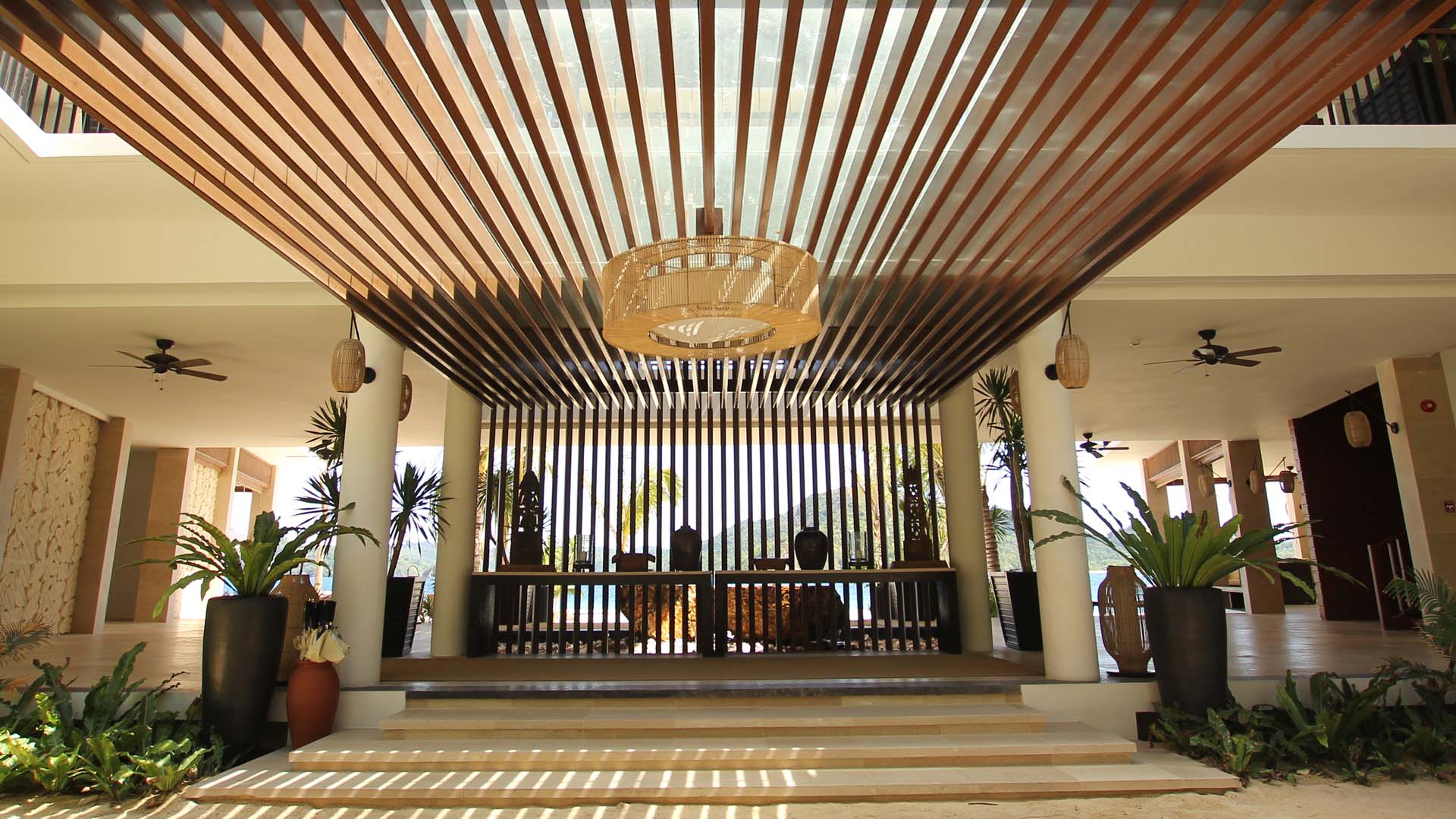
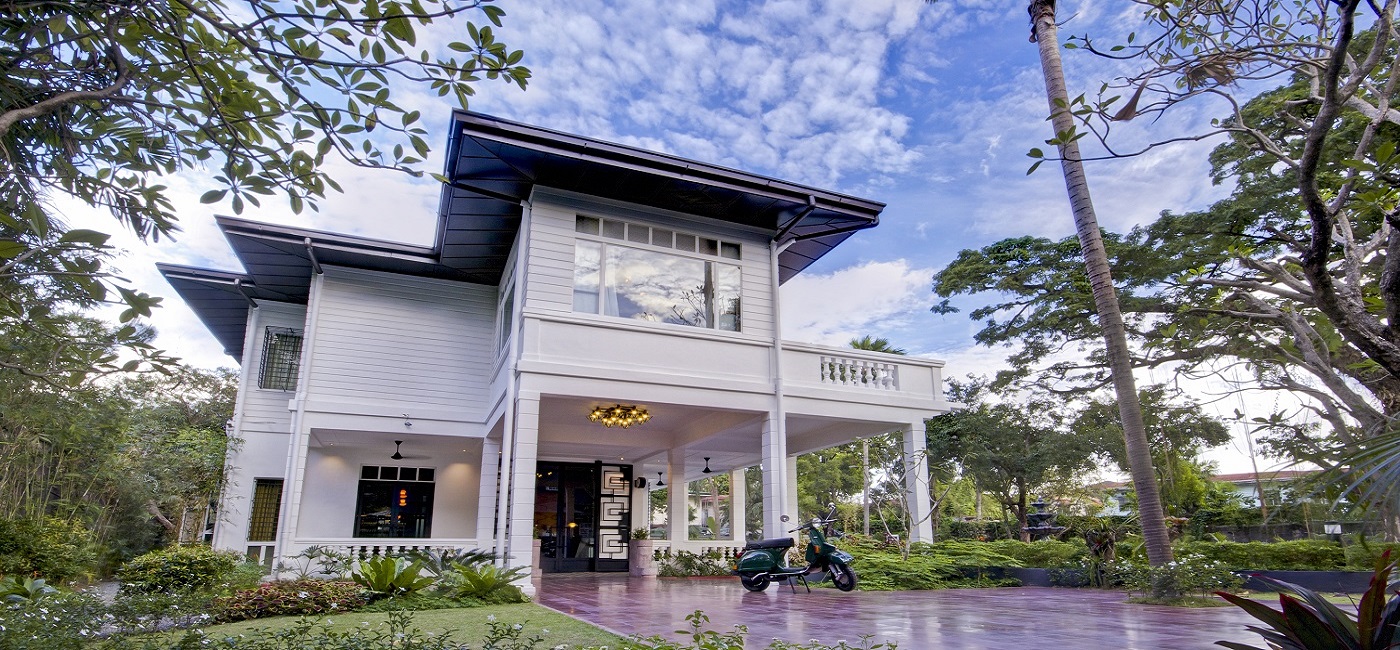
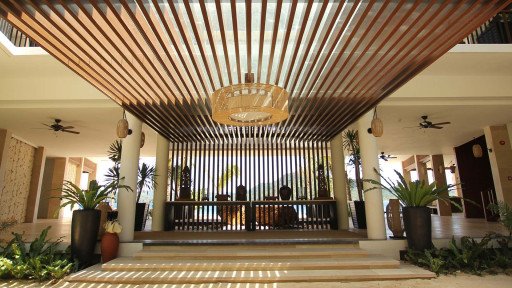
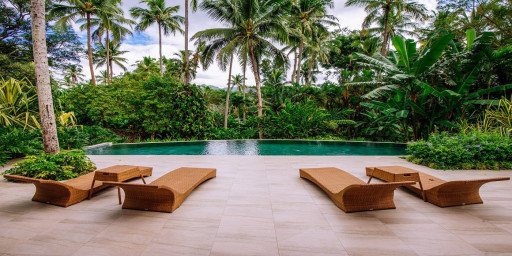
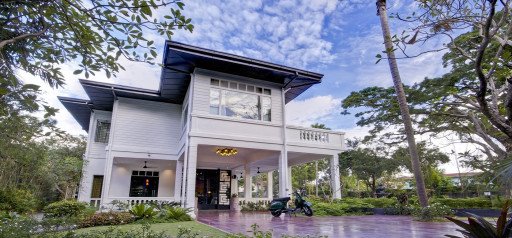
Now widely recognised for its sensational beaches and welcoming community, the Philippines is sneaking up the holiday charts. Influenced by a 350-year Spanish rule, the country has a Roman Catholic tradition and you’ll find beautiful basilica all over the archipelago. But there’s a distinctly hedonistic streak too – as tourists descend to dive, kitesurf and sea-kayak from the Philippines’ gorgeous beaches. Don’t worry, you don’t need a dive permit to snorkel with impressive shoals of fish: take a look at our pick of the best luxury and boutique hotels in the Philippines, and get your flippers packed.
For two and a half centuries a ship left Manila Bay for Mexico. The Manila galleons sailed to Acapulco from 1565 to 1815, Chinese silk and porcelain out and Mexican silver back, and the Philippines has been a country reached by sea and left by sea ever since. On the current count it is 7,641 islands between Taiwan and Borneo, more than 5,000 of them still without an official name, and nobody sees more than a handful in one trip.
Spain lost Magellan on Mactan in 1521 and came back to stay in 1565, and three centuries of rule from Manila left Catholic fiestas, baroque churches and the walled city of Intramuros. The Americans arrived in 1898 and left in 1946, and the English they brought is still an official language beside Filipino, which is why the first conversation at the airport needs no phrasebook.
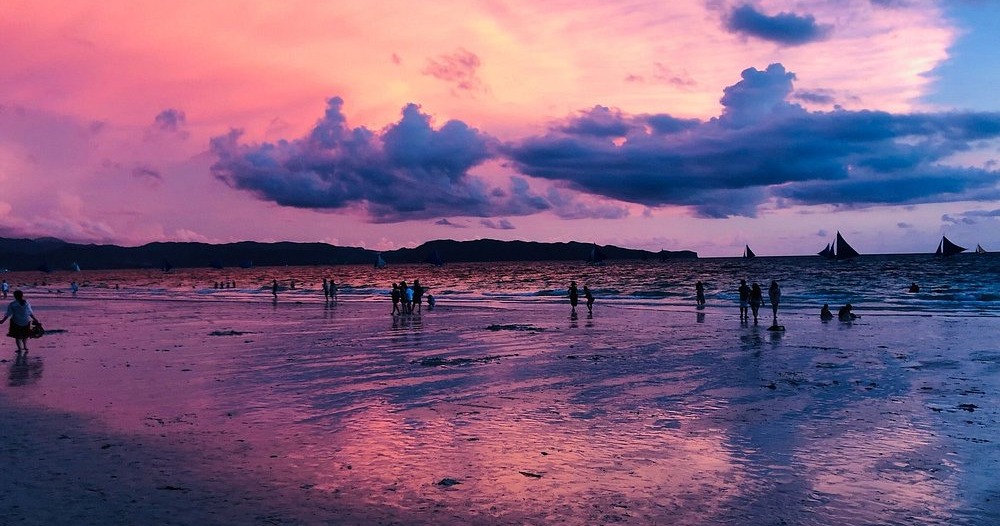
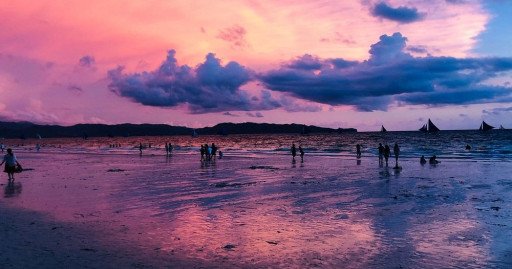
The sea still writes the itinerary. Every hop between Luzon, the Visayas and Mindanao is a flight, a boat or both, and the weather can hold either, so two regions make a trip and a third mostly adds departure lounges. Manila is where the flights converge, as the trade once did, and the bay that loaded the galleons now deals in sunsets: the seawall along Roxas Boulevard, laid out in the 1910s, draws a crowd for one every evening.