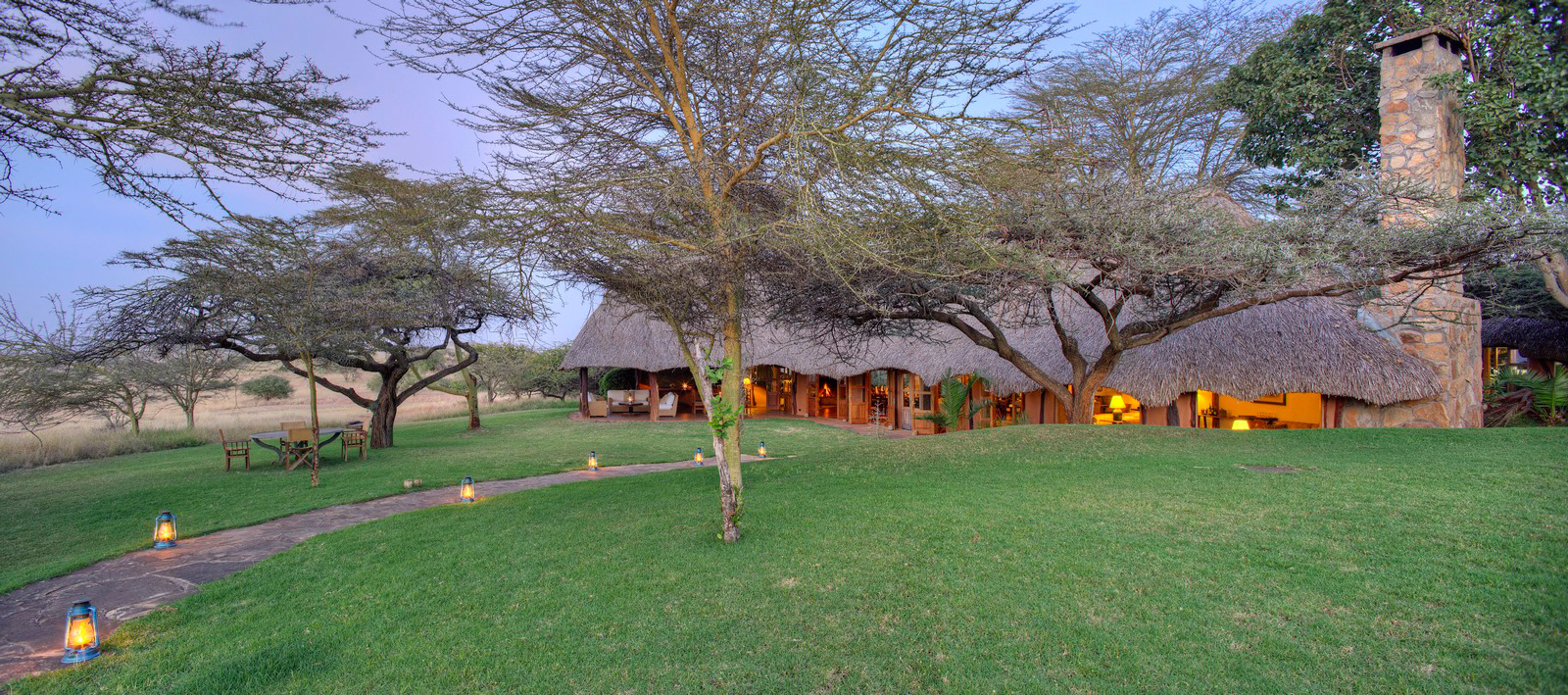
In 1983 a retired Englishwoman put her savings into a fence. Anna Merz had come to Kenya to stop working, found its black rhinos being shot for their horns, and went in with a family of cattle ranchers, David and Delia Craig, who set aside 5,000 acres of Lewa Downs for the survivors. The species lost 96 per cent of its number between 1970 and 1992, so the fence did not have much to keep in at first. An orphaned calf called Samia grew up in her care.
The cows lost the argument. Lewa became a conservancy in 1995 and now runs to about 62,000 acres north of Mount Kenya, inside a UNESCO World Heritage Site since 2013. It held 273 rhinos at the end of 2024, along with the world's largest single population of Grevy's zebra, an animal that looks like a plains zebra redrawn by someone with a finer pen, then given a white belly and larger ears.
The Masai Mara has the wildebeest from July to October and, for those months, a good share of the country's safari vehicles. For a first safari we would choose the north, where nothing depends on a river crossing, and keep the Mara for a second trip. Look south across Lewa at the end of a game drive and the result of 1983 is in plain view: rhinos where the cows used to be, and Mount Kenya's 5,199 metres behind them.