Where to stay in Bangkok
The city divides, usefully, into two halves for a visitor: the old riverside core and the modern commercial districts east of it. Which you pick shapes the whole trip.


Bangkok does not ask to be liked. It is hot, loud, enormous and gloriously unbothered by whether you can keep up, a city where a nineteenth-century teak house sits in the shadow of a glass tower and the best meal of your trip may well come from a cart on a side street. Somerset Maugham, laid low by malaria at the Oriental in 1922, found the food insipid and complained that "the heat of Bangkok was overwhelming". He was right, and he still came back.
The trick is not to fight it. Give the city two or three days at either end of a Thai trip, pick a base that suits the version of Bangkok you want, riverside and old town for temples and history, Sukhumvit for eating and shopping, and treat the traffic as a fact of life rather than a problem to solve. The Skytrain and the river boats are faster than any taxi, and both are more fun.
What has changed in recent years is where you stay. Alongside the big international towers, a handful of genuinely independent hotels now offer something more personal: heritage suites, butler service, rooftop pools that feel private rather than promotional. Below, where to base yourself, and when to come.
Explore 2 exceptional boutique hotels hand-picked in Bangkok. Click a pin to discover each property.
Thailand, Bangkok
Chillax Resort

Thailand, Bangkok
137 Pillars Suites
The city divides, usefully, into two halves for a visitor: the old riverside core and the modern commercial districts east of it. Which you pick shapes the whole trip.

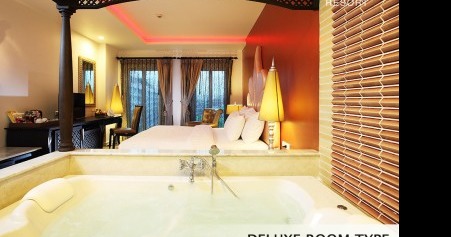
The historic heart, around the Grand Palace, Wat Pho and the river, is where Bangkok's history is stacked most densely: gilded temples, the flower market, the shophouses of Banglamphu, and Khao San Road, still the backpacker artery, now flanked by good bars. Staying here means temples on foot and river boats at the bottom of the road, though you will trade Skytrain access for a longer haul east. Chillax Resort sits just off Samsen in the old town, a small romantic hotel where every room has its own whirlpool tub and the sixth-floor infinity pool looks out over the low rooftops.
East of the centre, Bangkok turns modern and green. Phrom Phong and neighbouring Thonglor are the city's best districts for eating and drinking, with a serious Japanese quarter, independent cafés, mall food halls that put most restaurants to shame, and Benjasiri Park for a morning walk. The Skytrain runs overhead, which makes everything easy. 137 Pillars Suites occupies the upper floors of a tower here, an all-suite hotel with 24-hour butlers, a heritage story borrowed from its sister teak house in Chiang Mai, and a rooftop infinity pool reserved for suite guests.
Do the Grand Palace and Wat Pho early, before the heat and the coach parties, then cross the river to Wat Arun. Ride a longtail through the Thonburi canals, or take the public boat up to Nonthaburi and back for a fraction of the price. Chinatown, around Yaowarat, is best after dark, when the street kitchens fire up. For contemporary Bangkok, spend an afternoon in the galleries around Soi 39, an evening at the night markets, and a morning cycling the green lung of Bang Krachao, a loop of jungle and stilted paths across the river.
This is the point of Bangkok. Street food is not a novelty here but the foundation of the city's cooking, and the best of it, at Yaowarat, Or Tor Kor market, the stalls of Bang Rak, costs a pound or two. Above that sits a fine-dining scene that has become one of Asia's strongest, much of it built on regional Thai rather than borrowed French technique. Eat both, on the same day.
Bangkok is a year-round city, but it has moods. November to February is the cool, dry season and by some distance the most comfortable, with warm days and bearable evenings. March to May is punishing, with April the hottest month of the Thai year. The rains arrive around June and run into October, usually as heavy late-afternoon downpours rather than all-day grey, and the city empties a little. Come in the cool season if you can, and if you cannot, plan your temples for early morning.
For the collision. Few cities put gilded temples, canal life, the best street food in Asia and a serious fine-dining and rooftop-bar scene within the same few square miles. It is also the natural gateway to the rest of Thailand, which means two or three days here at either end of a beach or northern trip costs you nothing in travel time.


