Destination, hotel name or experience

Boutique Hotels in Vietnam

Introducing Vietnam

Vietnam is a long, narrow, S-shaped country that packs an extraordinary amount into its sweep down the eastern edge of mainland Southeast Asia. In a single trip it offers misty northern mountains and the limestone islands of Ha Long Bay, imperial cities and lantern-lit old towns in the centre, a long coastline of beaches and islands, and the steamy, energetic delta of the south. Few countries change so much from one end to the other.
 
Its appeal is as much human as scenic. Vietnam's history runs deep and turbulent, from ancient dynasties to French colonial rule and the war that bears the country's name, and it has emerged as one of Asia's most dynamic and welcoming destinations. The cities buzz with motorbikes and street life, the countryside is laced with rice terraces and rivers, and the famous warmth of the people is matched only by the food.
 
And the food is reason enough to come. Vietnamese cooking, fresh, fragrant and regional, from the pho and bun cha of the north to the imperial dishes of Hue and the herbs and seafood of the south, is among the world's great cuisines, and is eaten everywhere from plastic stools on the pavement to fine dining rooms. For coastline, culture, landscape and flavour, Vietnam delivers on every front.

Browse on Map — Vietnam

Explore 3 exceptional boutique hotels hand-picked in Vietnam. Click a pin to discover each property.

Regions in Vietnam

Hotels in Vietnam

Amiana Resort Nha Trang

Vietnam, Nha Trang

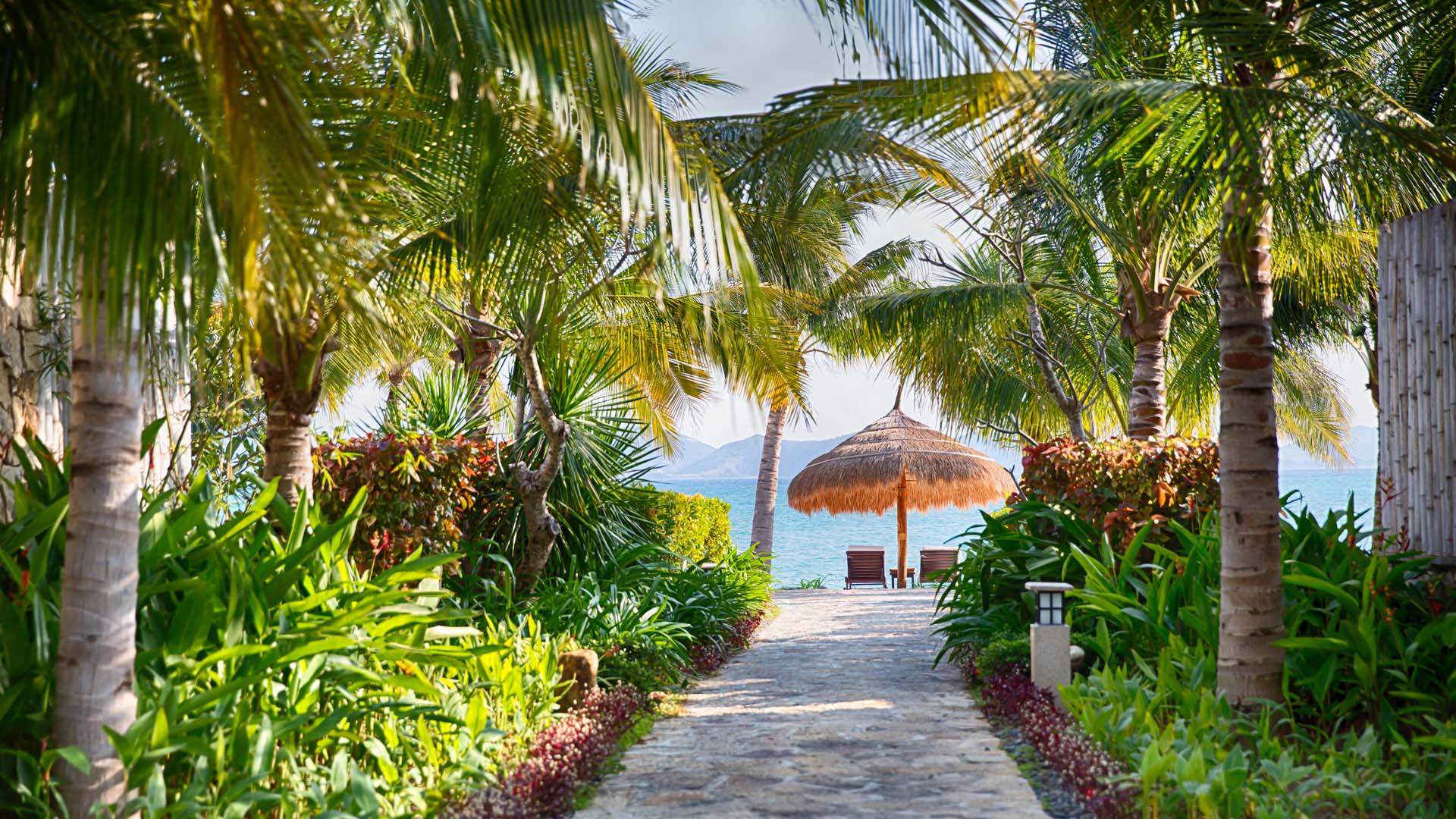
Amiana Resort Nha Trang

A five-star beachfront resort on its own headland over Nha Trang Bay, with a vast natural seawater pool, two infinity pools, a private lagoon beach…

€121.40

Price for 1 night from

Salinda Resort Phu Quoc Island

Vietnam, Phu Quoc

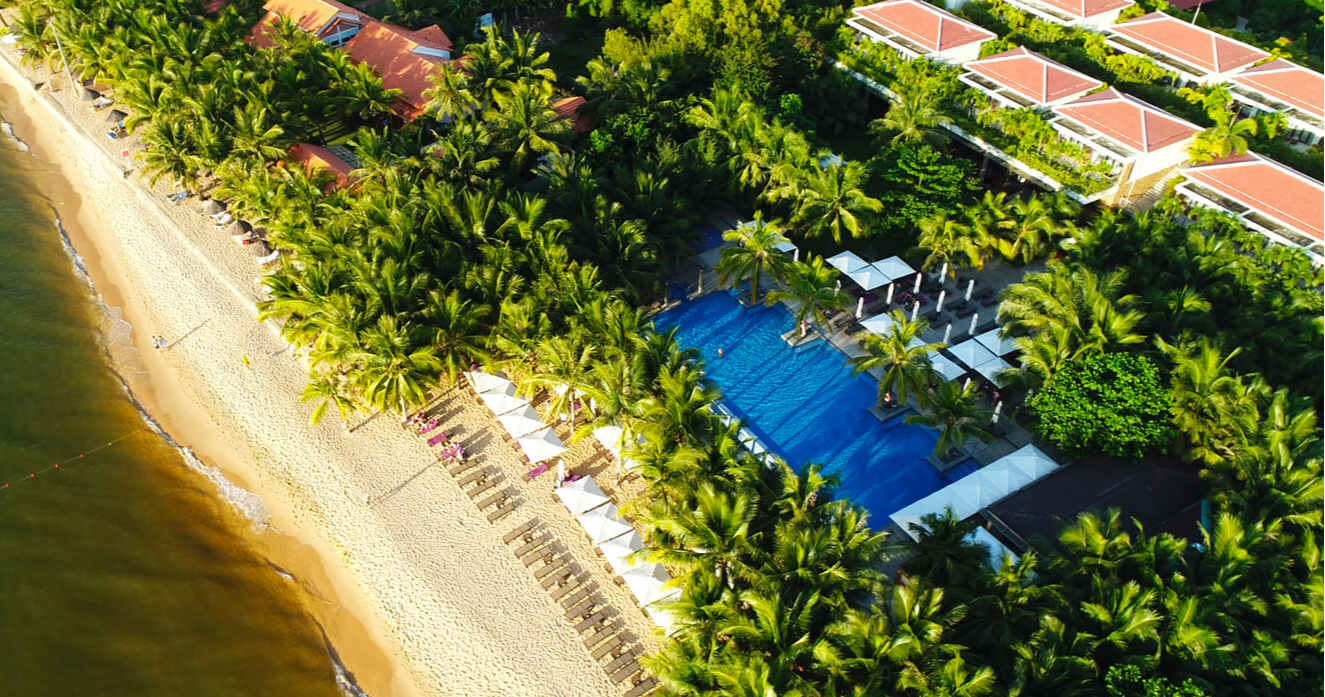
Salinda Resort Phu Quoc Island

A design-led, 121-room beach resort on Phu Quoc's sunset west coast, with an owner's Vietnamese art collection, a salt-filtered pool, five dining…

€100.70

Price for 1 night from

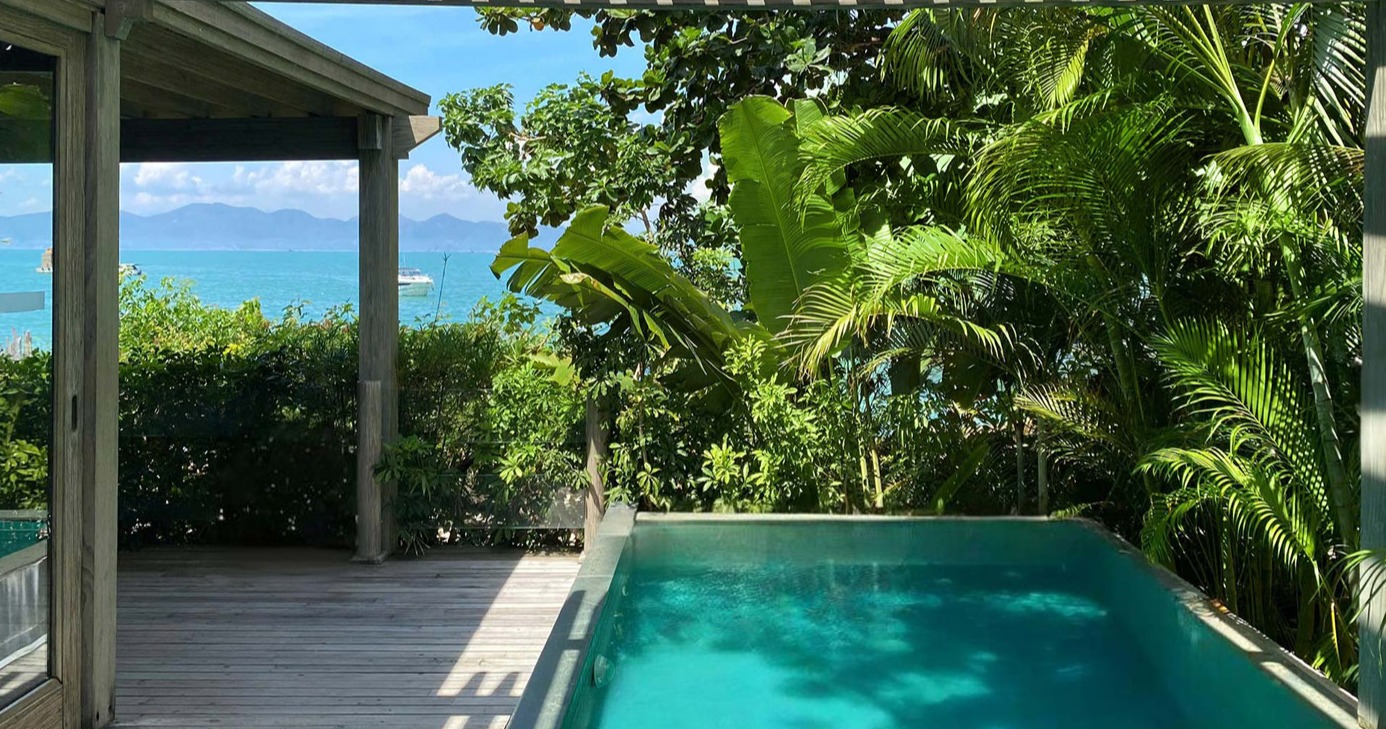
A private pool on a sunlit wooden deck at An Lam Retreats Ninh Van Bay, offering serene ocean views through lush greenery.

Vietnam, Nha Trang

An Lam Retreats

A boat-access, all-villa retreat on a jungle peninsula in Ninh Van Bay near Nha Trang, with timber pool villas, a lotus-shaped restaurant and butler…

Vietnam Guide

Where to Go

Vietnam divides naturally into north, centre and south, and most trips take in at least two. The north holds the capital, Hanoi, with its frantic, atmospheric Old Quarter, and the iconic seascape of Ha Long Bay, along with the rice terraces and hill tribes of Sapa. The centre is the cultural heart: the imperial city of Hue, the beautifully preserved trading town of Hoi An with its lanterns and tailors, and the beaches and big resorts around Da Nang. The south centres on fast-moving Ho Chi Minh City, gateway to the waterways of the Mekong Delta. Running down the long coast between are the beach destinations, chief among them Nha Trang, Vietnam's best-known seaside city, set on a beautiful island-studded bay. Off the south-western tip lies Phu Quoc, the country's largest island, a tropical escape of white-sand beaches and jungle in the Gulf of Thailand.

The Beaches and Islands

While Vietnam is known first for its cities and landscapes, its coast and islands are a destination in themselves. Nha Trang offers a classic beach-city break of warm, clear water, island-hopping and the region's famous mineral mud baths, with quieter retreats on the surrounding headlands and bays. Phu Quoc, a short flight from the mainland and visa-free for many visitors, is the country's premier beach island, with sunset-facing west-coast sands, protected jungle interior and a laid-back pace. Both make a relaxing counterpoint to a touring trip through the cities and countryside.

When to Go

Vietnam's climate varies so much along its length that there is no single best time, but the broad picture helps. The north and centre are most reliable between roughly February and May and again around September to November; the far north is coldest in winter. The southern and island beaches, including Phu Quoc, are at their best in the dry season between November and April, while Nha Trang runs differently, driest between roughly February and August. For a multi-region trip, spring is the safest all-round bet.

Getting the Most From a Trip

Because Vietnam is long and varied, the usual approach is to move through it rather than base in one spot. Most itineraries run north to south, or the reverse, linking Hanoi and Ha Long Bay, the central cities of Hue and Hoi An, and Ho Chi Minh City and the Mekong by a series of short internal flights. Beach time is best saved for the end, unwinding on the coast at Nha Trang or on the island of Phu Quoc after the touring is done. With less time, pairing one region with a few days by the sea makes a satisfying trip in itself, while the food, found everywhere from street stalls to fine dining, ties the whole journey together.

Getting There and Around

The main international gateways are Hanoi, Ho Chi Minh City and Da Nang, with frequent flights and good links worldwide. Internal flights are cheap and the simplest way to cover the long distances, while the north-south railway and the scenic coastal roads repay those with more time. Within cities, taxis and ride apps are easy and inexpensive; beaches and islands are reached by short flights or ferries, and most hotels arrange transfers.

Frequently Asked Questions about Vietnam

Icon of Here for You
Here for You
Icon of Free Extras on Arrival
Free Extras on Arrival
Icon of Best Price Guarantee
Best Price Guarantee
Icon of Personally Approved Hotels
Personally Approved Hotels
Icon of Exclusive Offers
Exclusive Offers
Icon of New Finds Every Month
New Finds Every Month