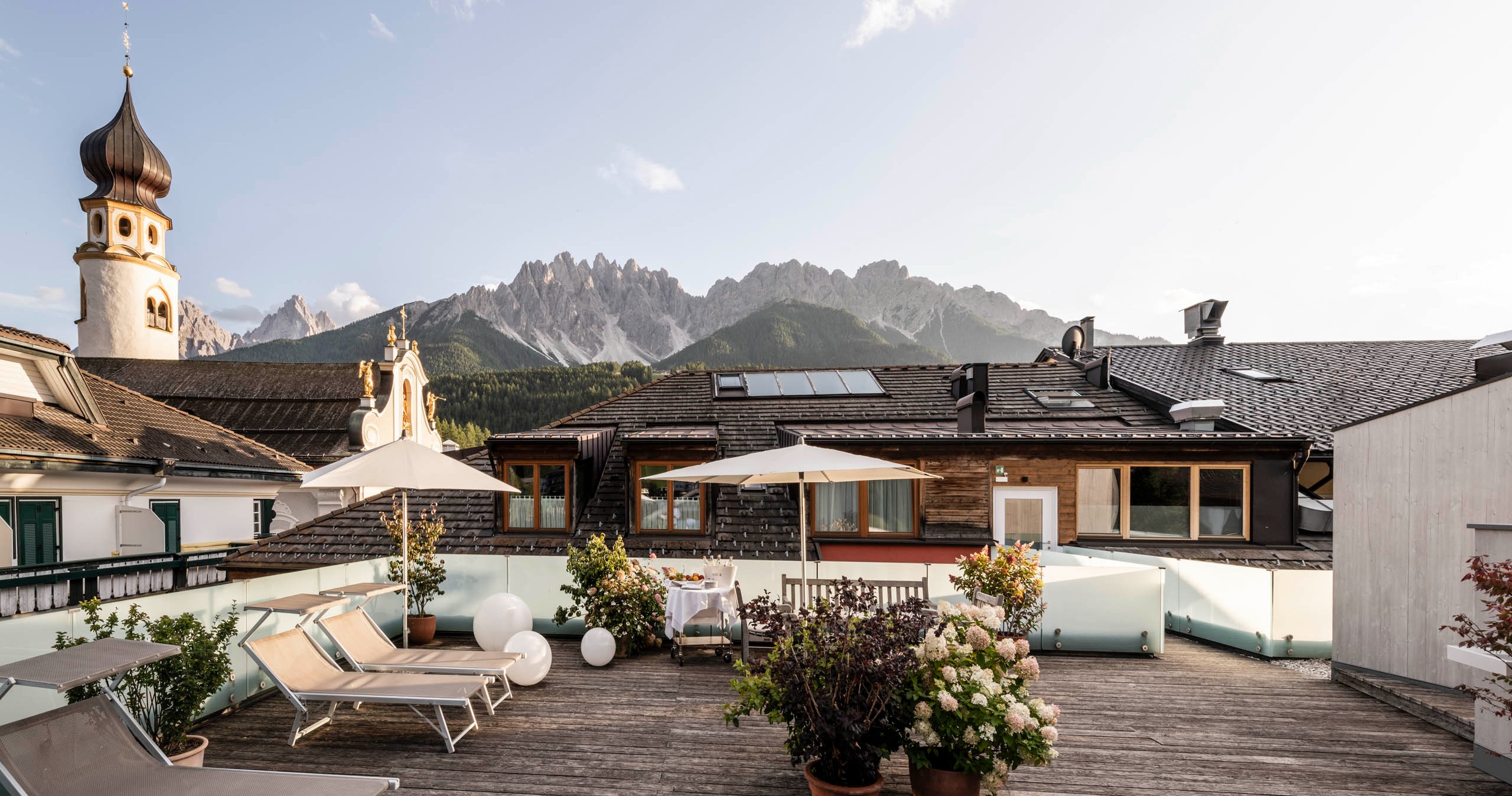
The Dolomites are mountains that behave like architecture. Pale towers and organ-pipe walls of a limestone found nowhere else at this scale — dolomite, named for the French geologist Déodat de Dolomieu, who first puzzled over the rock in 1791 — rise sheer out of green meadow without foothill or preamble. Twice a day they perform: at dawn and dusk the stone burns pink and amber, a phenomenon the Ladin valleys call the enrosadira and explain with the legend of King Laurin's petrified rose garden. UNESCO inscribed the range in 2009; Reinhold Messner, born beneath these walls, put it more simply — "the Dolomites are the most beautiful mountains in the world."
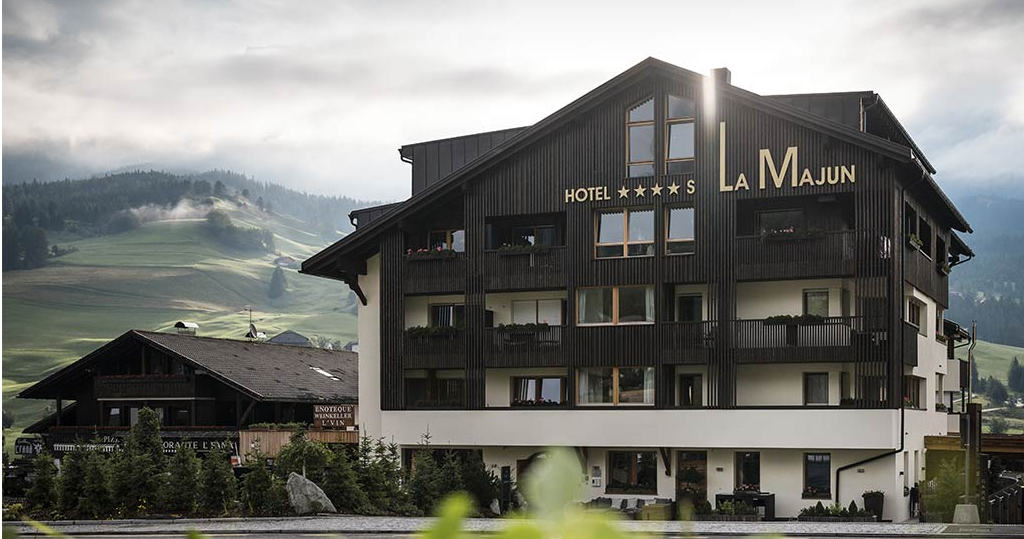
They are also the Alps at their most civilised. Three languages share the valleys — Italian, German and Ladin, the old Rhaeto-Romance tongue still taught in the schools of Badia, Gardena and Fassa — and the villages remain villages: church towers, family hotels kept for generations, dinner taken seriously. The First World War left iron ladders and tunnels through the peaks that became the world's great via ferrata network; the cable cars that followed knitted the massifs into the Sellaronda circuit and the vast linked pistes around it. Winter runs December to early April, summer from late June; the family houses below — and the wisdom of where to base yourself among them — are where any Dolomites plan should begin.