

Boutique Hotels in Europe
Introducing Europe
Europe holds the densest concentration of independent boutique hotels in the world, and the variety is the point. The continent runs from the volcanic Cycladic islands and the Amalfi cliffs through Tuscan vineyard estates and Provençal manoirs, up through Alpine ski chalets, Scandinavian design retreats, Baltic-coast architecture, and the great urban hotels of Paris, Rome, Lisbon, Vienna and London. No two countries deliver the same hospitality grammar — and the small independent operators are the ones who carry the regional vernacular most faithfully.
Our European editorial covers more than 30 countries. The selection criteria are consistent across the continent: independent or family-owned ownership; distinctive design and architectural character; substantive food and wine programmes; genuine sense of place. We've stayed at or vetted every property listed here, and the country pages below each carry our editors' picks for that destination, written and updated by region.
The continent splits broadly into four travel registers — Mediterranean coast and islands; central European cities and capitals; Alpine and chalet country; and the northern Atlantic and Baltic edge. The sub-sections below run through each.
Mediterranean
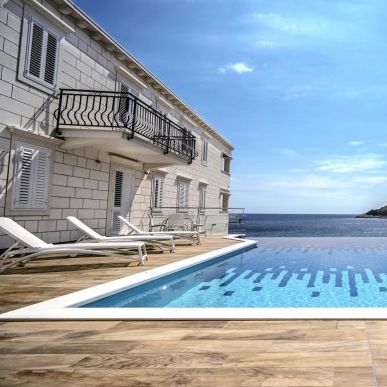
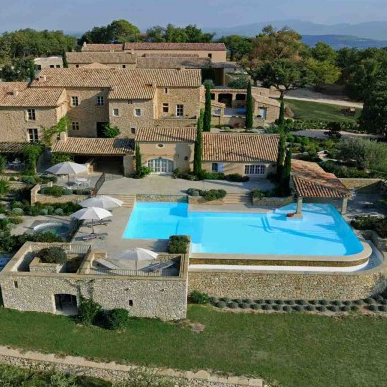
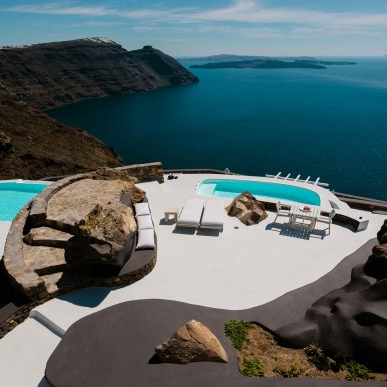
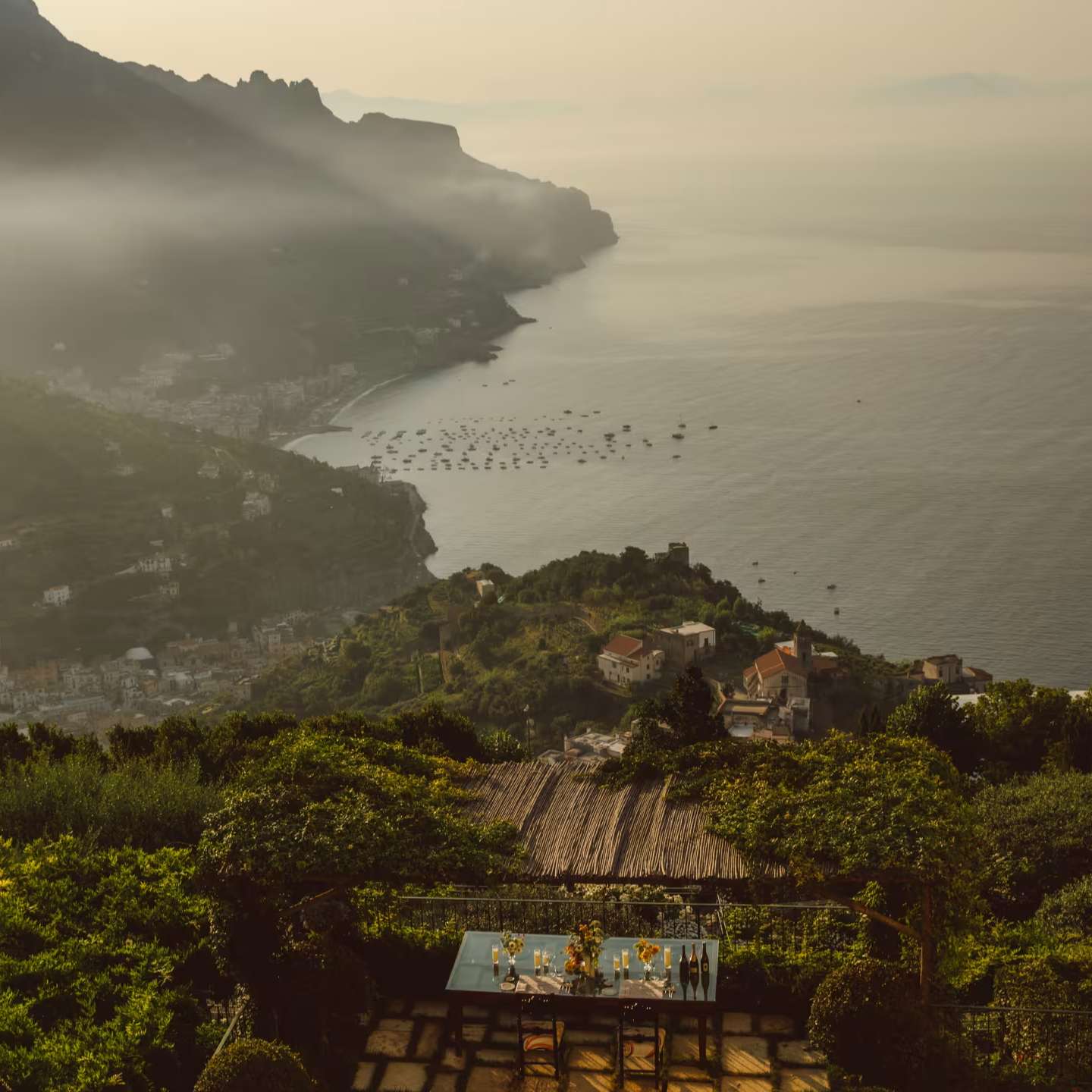
The Mediterranean is where European boutique hospitality reaches its highest concentration. Greece runs from the Cycladic caldera islands — Santorini, Mykonos, Ios — through the Saronic Gulf and the Ionian. Italy's coast covers the Amalfi, Capri, Puglia, Sicily, the Cinque Terre and Sardinia. France's south runs from the Côte d'Azur through Provence and the Languedoc. Spain holds the Balearics — Mallorca, Menorca, Ibiza — alongside the Costa Brava and Andalusia. Croatia's Dalmatian coast and Portugal's Algarve and Alentejo complete the Mediterranean sweep.
European cities
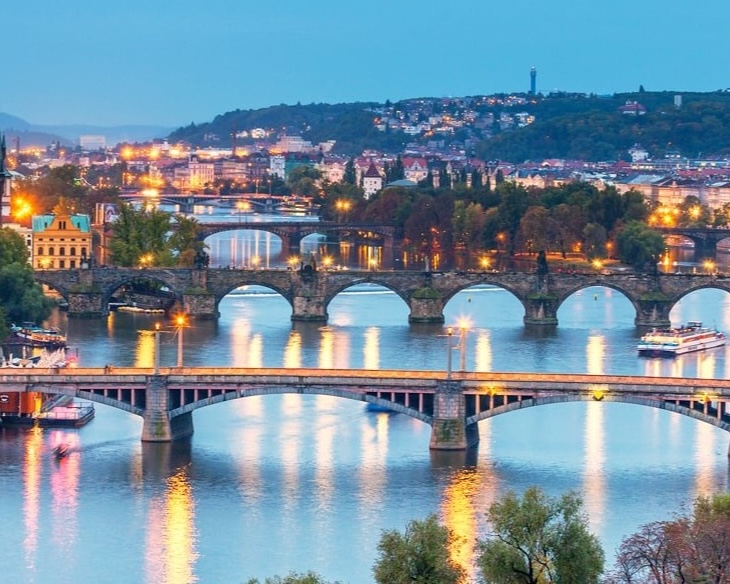
The classical European hotel tradition lives in the great capitals — Paris, Rome, Vienna, London, Madrid, Lisbon, Berlin, Amsterdam, Copenhagen, Prague — and in the regional cities that have built their own independent inventory around design, food and culture: Florence, Seville, Porto, Bologna, Hamburg, Antwerp, Bruges, Edinburgh. Independent city hotels here deliver the strongest concentration of design-led, food-and-wine-focused, often family-owned hospitality on the continent.
Alpine
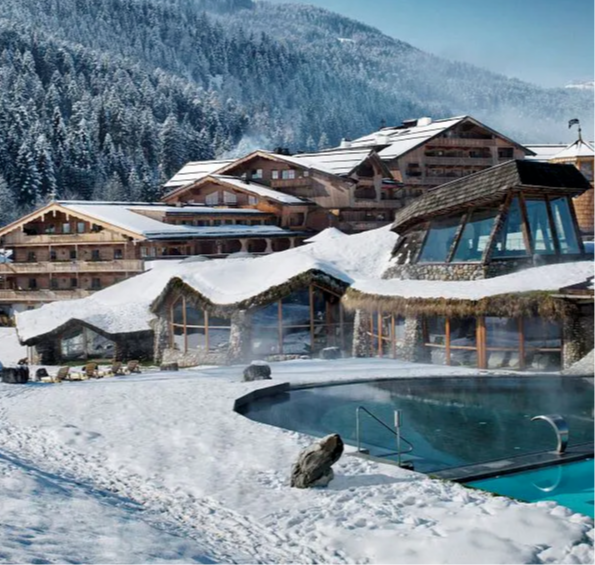
The Alpine arc runs across Switzerland, Austria, France, Italy and Germany — chalet hotels in the great ski resorts of Verbier, Zermatt, St Moritz, Lech, Kitzbühel, Courchevel, Megève and Cortina; historic spa retreats; summer hiking and lake properties. The Alpine boutique tradition tends toward family-run chalets with deep ski-and-hospitality lineage rather than corporate resort operations.
Northern Europe
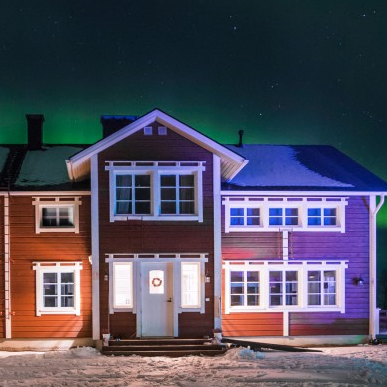
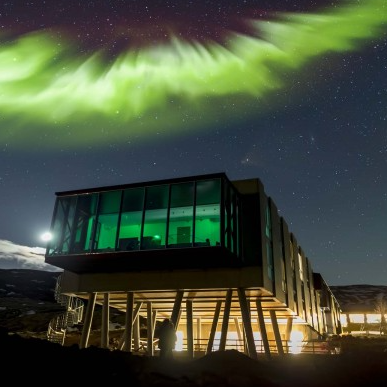
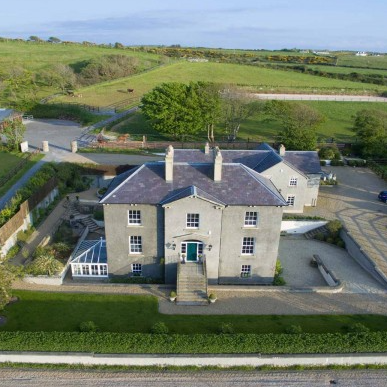
Scandinavia carries Europe's strongest design-hotel concentration — Copenhagen, Stockholm, Oslo, Helsinki — alongside the wilder edge properties: Lapland aurora lodges, Norwegian fjord retreats, Icelandic remote-country hotels. The Baltic coast and Eastern Europe — Estonia, Latvia, Poland — deliver newer boutique operators working with historic city architecture. The British and Irish isles cover everything from Cotswold country houses and Edinburgh townhouses to West Highland lodges and Wild Atlantic Way retreats.
When to visit
Mediterranean coast and islands run May to October, with shoulder months (May, September, early October) carrying the best balance of weather and lower crowds. July and August are peak — book six months ahead for Santorini, Mykonos, the Amalfi Coast, Capri, Ibiza and the Balearics. European cities run year-round with their own seasonal character; Paris, Rome and Vienna are at their best in spring and autumn shoulder seasons when summer crowds thin. Alpine ski runs December through April; Alpine summer for hiking and lakes runs June through September. Northern Europe runs strongest May through August. Lapland and Iceland carry their own December-March winter season for aurora and snow programmes.
FAQs
What counts as a boutique hotel in Europe?
For our editorial selection: independent or family-owned ownership, fewer than ~100 rooms, distinctive architectural or design character, substantive food and beverage programmes, and a genuine sense of regional place. Large corporate resort operations, chain hotels, and properties without an editorial point of view don't qualify regardless of star rating.
Which European country has the most boutique hotels?
Italy and France carry the deepest historical inventory across both city and countryside categories. Greece has the densest island-and-coast boutique concentration in the Mediterranean. The United Kingdom holds the strongest country-house and townhouse boutique inventory in northern Europe. Switzerland and Austria dominate the Alpine chalet category.
When is the best time to visit European boutique hotels?
Mediterranean: May, September and early October deliver the best balance of weather, prices and crowd levels. Cities: April-May and September-October. Alpine ski: January and February for snow reliability, late March for the spring-skiing weather window. Alpine summer: July-August for lakes and hiking. Northern Europe: June through August.
Are European boutique hotels expensive?
The range is wide. Mediterranean coastal properties in peak season (July-August) tend to be the most expensive — Capri, Santorini, Saint-Tropez, Ibiza, Positano. Shoulder season pricing typically runs 30-50% below peak. Inland and rural boutique hotels (Tuscany, Provence, Andalusia, the Cotswolds, Burgundy) carry consistently lower rates year-round. Alpine chalets price tier with ski-resort positioning. Our member rates inside the Club deliver discounts across the inventory.
Which European boutique hotels are best for honeymoons?
The strongest honeymoon clusters: the Greek Cyclades (Santorini, Mykonos), the Amalfi Coast and Capri, the Cinque Terre, Provence, the Tuscan countryside, Mallorca's inland Tramuntana, and the Algarve. The country pages and our Honeymoon Hideaways collection page route to the best honeymoon-positioned properties.
Are European boutique hotels family-friendly?
Varies by property and country. Italy, Spain, Portugal and France carry strong family-friendly boutique inventory — particularly inland properties (Tuscan agriturismi, Provençal manoirs, Andalusian cortijos). Greek and Italian coastal islands run a mix of adults-only and family-welcoming properties. Alpine chalets are typically family-friendly outside the most exclusive ski-resort positions. Northern European city hotels mostly welcome families. The individual hotel pages indicate child policies.
How do I book European boutique hotels through Boutique Hotel Club?
Each hotel page has a booking widget where you reserve directly at member rates — same room, same cancellation policy, same board option you'd find on Booking.com, Expedia or Hotels.com, at a better rate inside the Club. Membership is complimentary on approval, typically within 48 hours. For complex multi-property European itineraries or properties not visible in the public inventory, our Private Rates Concierge handles the planning via WhatsApp.

Frequently Asked Questions about Europe
Europe offers thousands of boutique hotels ranging from luxury city stays in Paris and Rome to coastal retreats in Greece and Croatia. The best boutique hotels typically combine personalized service, unique design, local culture, and prime locations.


