

€0.00 for 1 Night





24/7 Support
 Looking for help choosing or for a property we don't list? Message our Private Rates Concierge on WhatsApp for member rates and insider knowledge on the right stay
€0.00/ Night
24/7 Support
Looking for help choosing or for a property we don't list? Message our Private Rates Concierge on WhatsApp for member rates and insider knowledge on the right stay
Matteo Thun's car-free resort at 1,500 m above Lana, reached only by cable car — 41 larch-and-glass rooms, the Aquiléia spa, and the Dolomites filling every window.
Collections:

Award Winner 2016
World's Most Sustainable Hotel
Need To Know
- 41 rooms and suites (35 rooms, 6 suites), each facing the morning or evening sun, with floor-to-ceiling glass and a furnished balcony or terrace
- Reached only by the Vigiljoch cable car from Lana; luggage handled at the valley station, garage parking included
- Families welcome; the sauna, steam bath and Silencium relaxation room are reserved for adults
- Our Favourite Rooms: the evening-sun side above the larch forest; a suite for the extra sitting space and the long Dolomite view
- Restaurant 1500 (breakfast 7:30–10:30, dinner from 19:00) and Stube Ida through the day; tasting menu Thursdays and Fridays, book a day ahead
- Free daily move & explore programme: yoga, Pilates, guided forest bathing and walks; ski-to-door on the small Monte San Vigilio slopes in winter
Check in - Check out
Check in from 14:00; check out before 12:00.
We Love
- The arrival — no road reaches the Vigiljoch; the cable car lifts you from Lana to 1,500 m in minutes, and everyday life simply stays in the valley. The mountain has been a retreat since 1912.
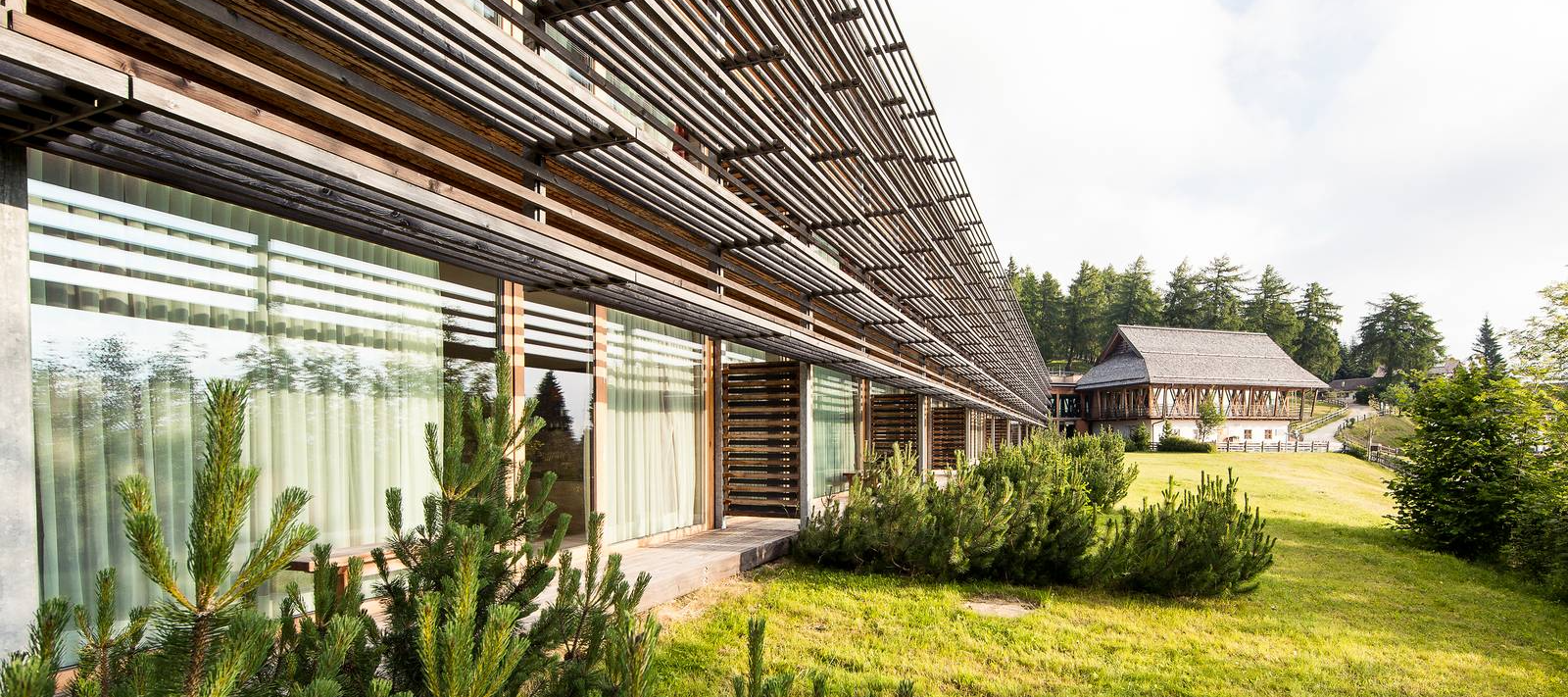
- The building — Matteo Thun's larch, clay, stone and glass treehouse, Italy's first ClimateHouse A hotel, heated by wood chips from the neighbouring mountain farms. Eco, not ego.
- The Aquiléia spa — 1,200 m² of water and quiet: the indoor pool flowing to an outdoor whirlpool in the trees, adults-only sauna and steam, a meditation room, and Team Dr. Joseph treatments.
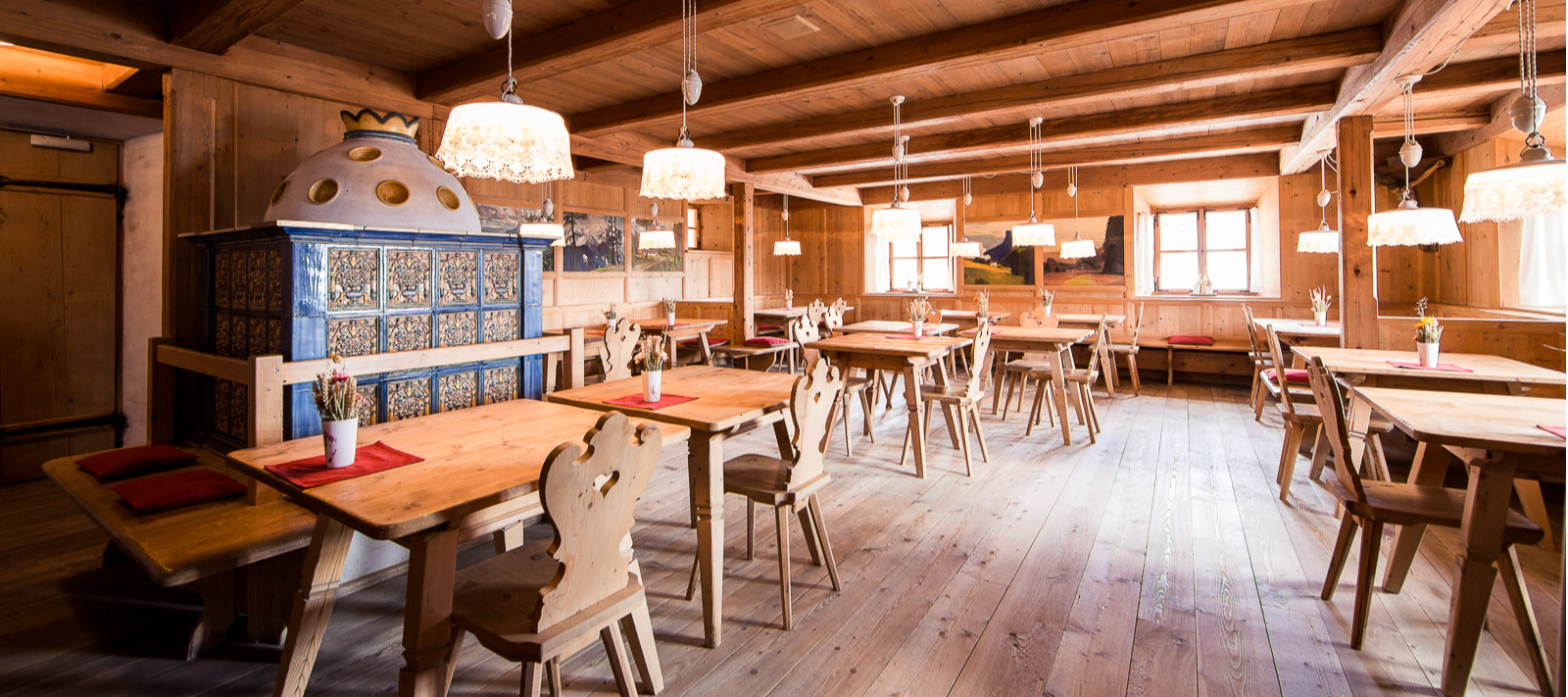
- Two tables — Restaurant 1500's clear, seasonal cooking under Daniel Sanin behind glass walls, and Stube Ida's South Tyrolean classics around a century-old tiled stove from the original mountain inn.
- The permission to stop — free daily yoga, Pilates and guided forest bathing, a library with a big screen, herbal tea by the fire, and the WiFi switched off at 11pm sharp, every night.
Key Features





Book Your Stay at Vigilius Mountain Resort
€0.00 for 1 Night
Location
Address
Vigilius Mountain Resort, Pawigl 43, 39011, Lana, Italy
Travel Info
No road: take the Monte San Vigilio cable car from Lana (valley station Via Villa 3, garage parking included). Bolzano airport about 40 minutes' drive to Lana; Innsbruck and Verona around 1h30, Milan and Venice 3 hours plus.
Nearby Places
Valerio Catullo Airport
173km
Last Updated: 2026-06-04

Expert Review
Origins
The Vigilius began with a childhood. Ulrich Ladurner conceived the resort to recreate his own early immersion in the Vigiljoch — the car-free mountain above Lana that has been a retreat since the funicular first climbed it in 1912 — and with the architect Matteo Thun he built it on a shared principle: eco, not ego. The building that opened in 2003 is a long, low treehouse of four materials — untreated larch, clay, natural stone and glass — laid along the contour of the mountain so that the architecture defers to the landscape it sits in.
The conviction runs deeper than the cladding. The Vigilius was Italy's first hotel to achieve ClimateHouse A certification; it is heated entirely by biomass, the wood chips supplied by the mountain farmers around it; the kitchen draws on regional organic farms; and the silver quartzite of the mountain itself appears through the house, down to the spa's signature treatment. The whole place runs on the logic of its location — and the location permits no shortcuts, because no road reaches it. Everything and everyone arrives by cable car.
What that buys the guest is the rarest alpine luxury: subtraction. No traffic, no through-route, no noise the mountain didn't make. Forty-one rooms and suites face the morning or the evening sun behind floor-to-ceiling glass, Japanese artist Hideki Iinuma's carved figures stand quietly about the house, and at eleven each night the WiFi goes off — a small house rule that says precisely what the Vigilius is for.
Top Secret
The WiFi goes off at 11pm every night, without exception — the house's standing invitation to actually stop. At dinner, order the smoked potatoes with herbs, a local treat the kitchen does beautifully, and keep an eye out for Hideki Iinuma's carved wooden figures around the house.
The Review
The cable car does the editing. Six minutes out of Lana's orchards and the valley's noise is gone, replaced by larch forest, birdsong and a long timber building that seems less constructed than grown. Matteo Thun's design runs on sight-lines — skylights, glass walls, a rectangular plan you can see straight through — so the mountain is present in every room, and the palette of pale stone, white walls and deep reds keeps the warmth domestic rather than designed-at. The slate wall and rain shower in the bedrooms continue the argument: nature first, comfort close behind.
Days organise themselves around the Aquiléia spa and the mountain in roughly equal measure. The indoor pool slips out to a whirlpool in the trees; the sauna and steam rooms stay adults-only and genuinely silent; the move & explore programme — yoga, Pilates, forest bathing, guided walks — runs free daily, and in winter the small Monte San Vigilio slopes deliver ski-to-door without a resort's circus. Hikers have the better deal: the panoramic routes off the Vigiljoch, with the Dolomites ranged across the valley, start at the door.
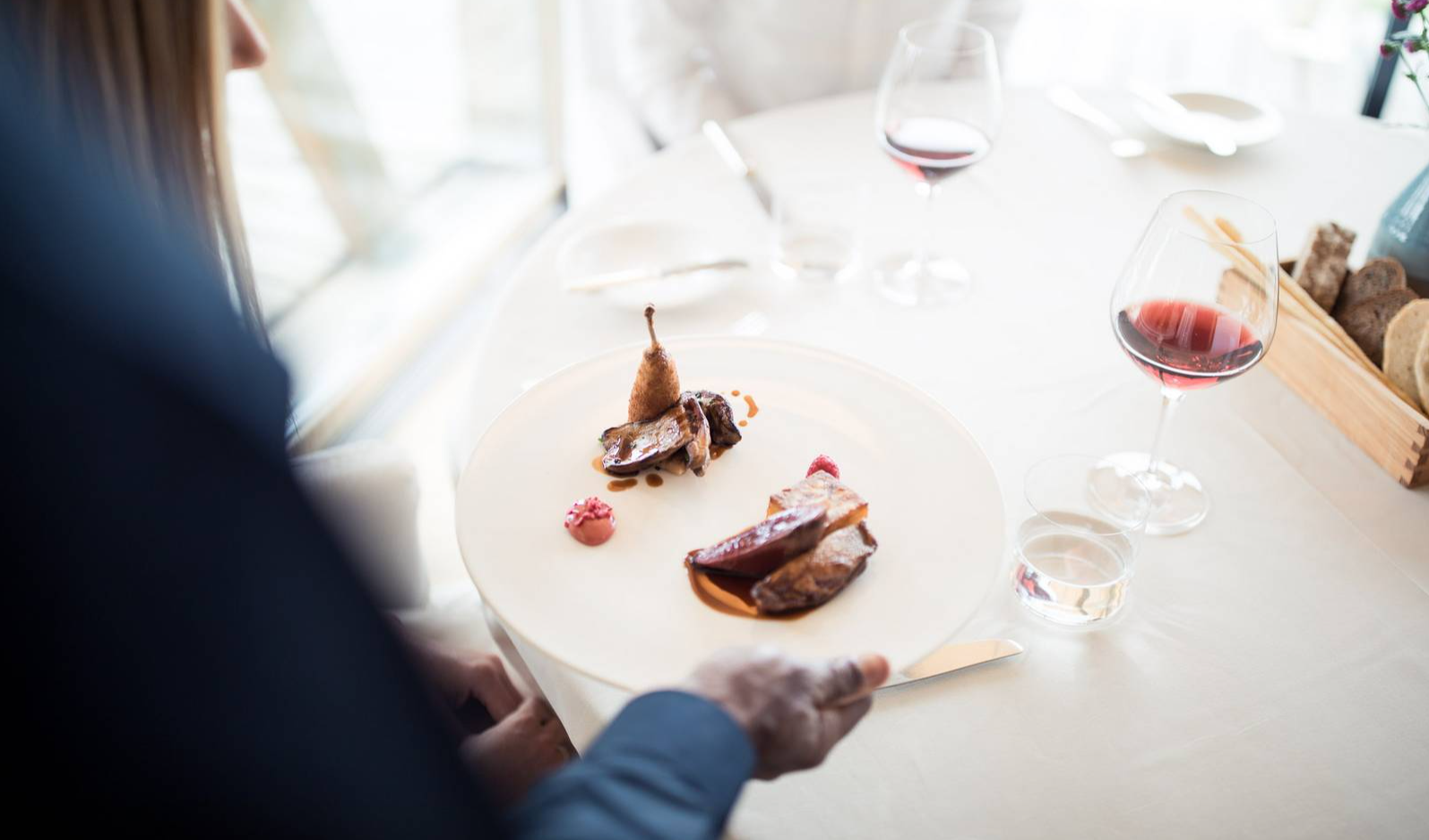
Eating splits the way the building does. Stube Ida keeps the old mountain inn alive — South Tyrolean classics, a sun terrace, the hundred-year-old tiled stove that warmed the hotel that stood here before — while Restaurant 1500 serves Daniel Sanin's clear, seasonal cooking behind glass, the valley lights coming on below as the plates arrive. Afterwards there is the fire, the herbal tea, the library's big screen — and at eleven, the quiet honesty of a hotel that switches the internet off because it knows exactly why you came.


