

€0.00 for 1 Night





24/7 Support
 Looking for help choosing or for a property we don't list? Message our Private Rates Concierge on WhatsApp for member rates and insider knowledge on the right stay
€0.00/ Night
24/7 Support
Looking for help choosing or for a property we don't list? Message our Private Rates Concierge on WhatsApp for member rates and insider knowledge on the right stay
A three-generation family house steps from the La Villa lifts — 38 wood-warm rooms and suites, an 800 m² spa with a rooftop hot tub, and a 600-label enoteca.
Collection:
Need To Know
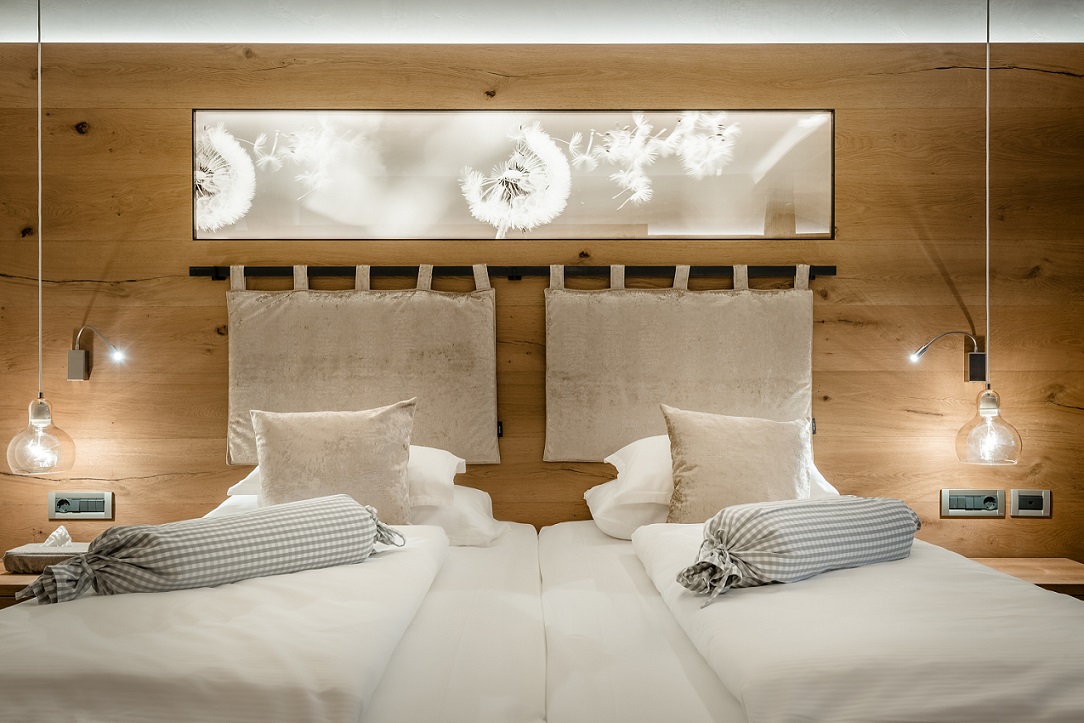
- 38 rooms and suites between the original house and the new wing, most with balconies facing the peaks
- Open in two seasons: closed April–May and October–November
- Families and pets welcome
- Our Favourite Rooms: the top-floor Loft Suite in the new wing; the Conturines Suite; the Swiss Pine rooms in scented cirmolo wood
- Guests-only restaurant, wine bar and enoteca with some 600 labels; ski room with boot warmers and ski-pass delivery; weekly guided excursion programme
- Garage parking and a bike room; the ski-school slope is opposite, the first lift across the road
Check in - Check out
Check in from 14:00; check out before 12:00.
We Love
- Skis on in seconds — the lift across the road links to the Piz La Ila cable car, the Alta Badia circuit and the Sellaronda, and the Gran Risa World Cup wall drops into the village each December.
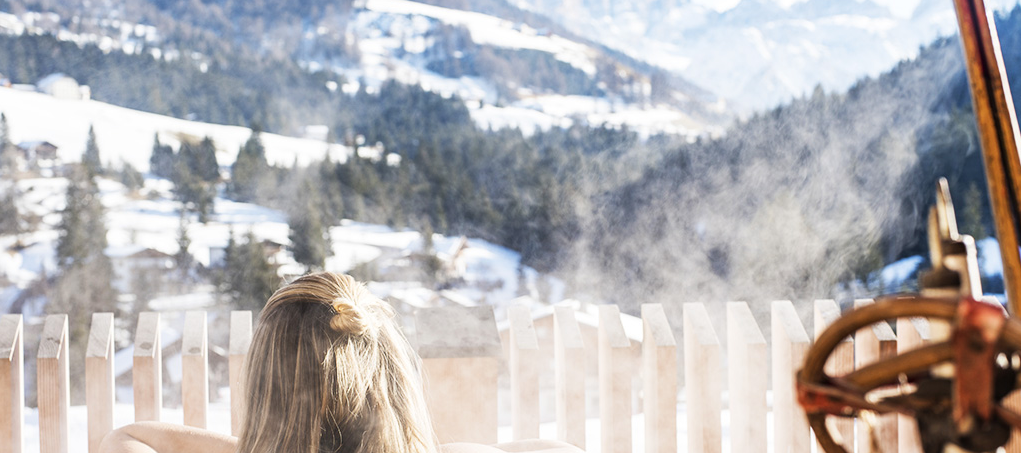
- The 800 m² Agana spa — a stone pool curved like a mountain lake under picture windows, three saunas (one panoramic), a hay bath in a wooden tub, and a log-fired hot tub on the rooftop terrace.
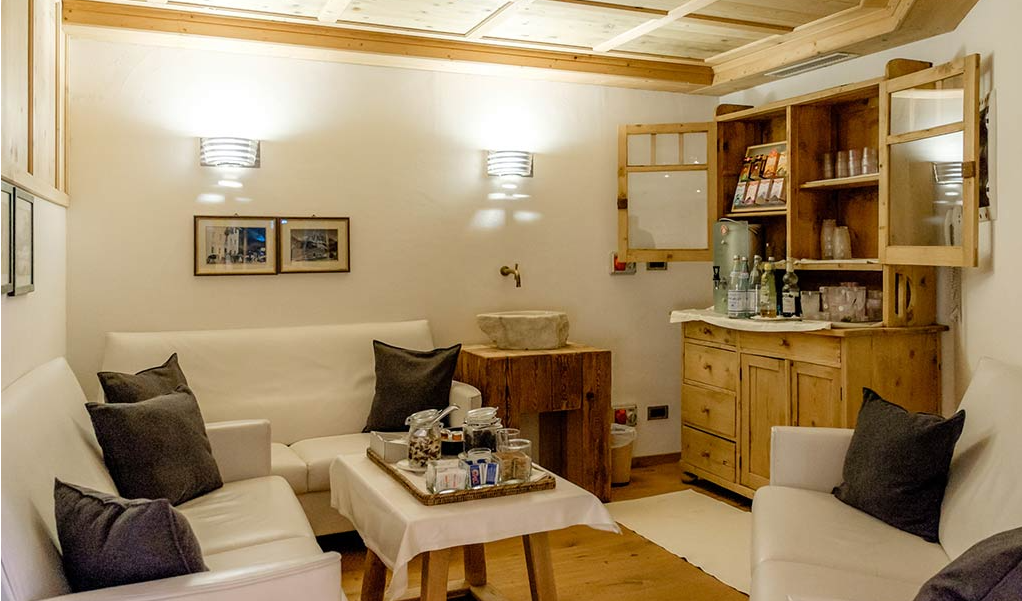
- The vaulted stone enoteca — candlelit, lined with Carlo Mellauner's 600-label cellar, and busy each evening with locals who take the same seat daily for their aperitif.
- The Ladin kitchen — guests-only fine dining that runs mountain tradition through a modern hand, with summer cooking classes on the terrace teaching the valley's recipes.
- A house that began as the family barn — 'Majun' is Ladin for barn, and three generations on, Roberta and Natalie Rinna still run it as their grandparents' home first.
Key Features








Book Your Stay at Hotel La Majun
€0.00 for 1 Night
Location
Address
Strada Colz 59, 39030 La Villa Alta Badia, South Tirol, Italy
Travel Info
Bolzano airport about 1h30 by car (direct London flights on the small SkyAlps route), Venice 2h30, Innsbruck around 2h. Garage parking at the hotel. La Villa's centre is on the doorstep, and the lifts are steps away across the road.
Last Updated: 2026-06-04

Expert Review
Origins
La Majun means 'barn' in Ladin, and the name is literal: the building began as the farm barn of Giovanni and Giuditta Rinna, and the hotel that grew from it has never left the family. Three generations on, it is run by Roberta and Natalie Rinna with the conviction that a hotel in the family home should feel like one — the welcome at the door is usually from an owner, and the evening ritual is theirs too: a glass of Franciacorta together in the enoteca before dinner service begins.
La Villa gives the house its setting and its seriousness. The village sits at the meeting of the Puez-Odle and Fanes-Senes-Braies parks in the UNESCO-listed Dolomites, in one of the valleys where Ladin — the old Rhaeto-Romance tongue of these mountains — is still spoken alongside Italian and German and taught in the schools. It is also a skiing address of consequence: the Gran Risa, the World Cup giant-slalom wall, finishes at the village, and the lift across the road from the hotel links into the Alta Badia circuit and the Sellaronda.
The house itself has grown carefully — a new wing of suites, the 800-square-metre Agana spa cut in stone and local wood, the enoteca in its candlelit vault — without losing the wood-warm scale of the original. The black-and-white photographs of old La Villa on its walls are the family's own record: the barn, the village, the century in between.
Top Secret
Find the enoteca in its stone vault before dinner: Carlo Mellauner will happily walk you through the 600-label cellar, and most evenings Roberta and Natalie are there too, sharing their ritual glass of Franciacorta before service begins.
The Review
Alta Badia is the civilised corner of the Dolomiti Superski — 130 kilometres of mostly sunny, mostly forgiving pistes linked to the 1,200-kilometre whole — and La Villa is its best-kept village: smaller than Corvara, quieter than San Cassiano, with the Gran Risa delivering the only crowds, once a year, in December. La Majun sits in the middle of it with the ski-school slope across the road. You can judge a ski hotel by its mornings: here they run boot-warm and unhurried, skis stored and passes delivered, the first lift sixty seconds from breakfast.
Inside, the house keeps the grain of the barn it once was. Rooms and suites run wood-warm across the old building and the new wing — cirmolo pine, balconies to Piz Lavarella, the Sella and the Conturines — and the public rooms hang local artists beside the family's black-and-white photographs of the village. The Agana spa is the afternoon's argument: the stone pool curved like a mountain lake under its picture windows, the panoramic sauna, the hay bath, and — best seat in La Villa — the log-fired timber hot tub on the rooftop, candlelit, with a firepit alongside and the white peaks all around.
Evenings begin in the vaulted enoteca among the locals and end at the guests-only table, where the kitchen runs Ladin tradition through a modern hand — mountain ingredients, seasonal and largely local, with the area's quiet confidence about food. In summer the same terrace hosts cooking classes and the valley turns to its trails and passes, with the Puez-Odle wilderness on the doorstep. Winter or summer, the house's real asset is unchanged: a family on the premises, and the settled ease of a place that has been somebody's home for three generations.


