Destination, hotel name or experience

Boutique Hotels in Sicily

Introducing Sicily

Sicily is the largest island in the Mediterranean, and it has been conquered so many times that the conquering became its culture. Greeks, Romans, Arabs, Normans, Spanish — each left temples, mosaics, citrus, street food and a layer of architecture, and the island absorbed them all into something that is emphatically Sicilian rather than Italian. The result is a place of almost absurd richness: Greek temples better preserved than any in Greece, Baroque towns rebuilt whole after an earthquake, Europe's largest active volcano smoking over the east coast, and a food culture — arancini, cannoli, granita, swordfish, pistachio, Marsala — that the rest of Italy quietly envies.


It is also big, and it does not move quickly. Distances that look short on the map become long on mountain roads, and the island repays choosing a corner over chasing all of it. The east holds Etna, the Baroque Val di Noto and the Greek theatres, with Taormina as its glamorous balcony; the south-east keeps the honey-stone towns of Noto, Modica and Ragusa and the cleanest beaches; the interior is empty, golden and agricultural, all wheat and wind; Palermo and the north-west bring the island's wildest markets, its Arab-Norman past and the coast around Cefalù. Pick a base, drive slowly, eat constantly, and let Sicily set the pace — it will anyway.

Browse on Map — Sicily

Explore 2 exceptional boutique hotels hand-picked in Sicily. Click a pin to discover each property.

Hotels in Sicily

Masseria Susafa

Italy, Sicily

Susafa

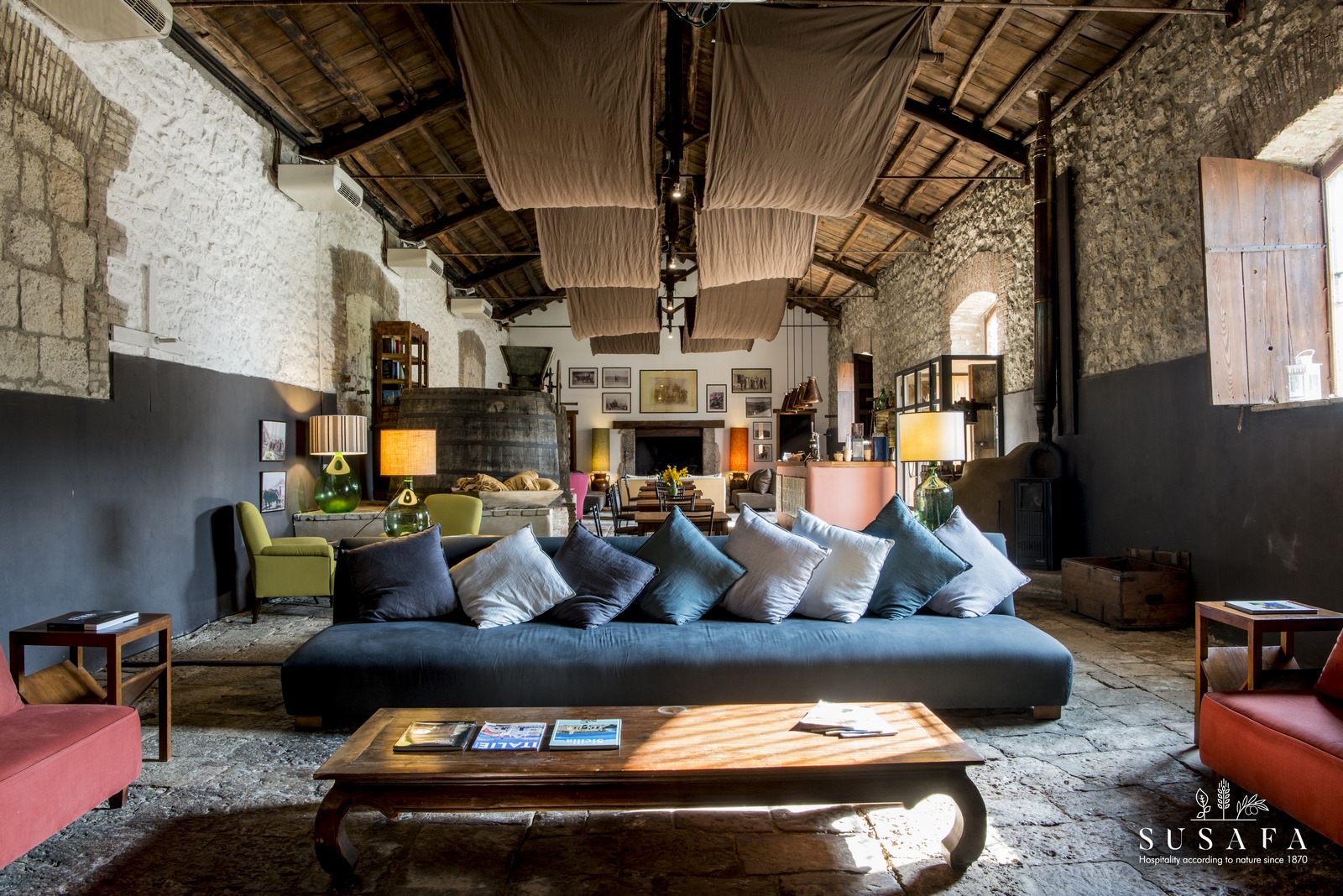
A 200-year family farm in the Madonie hills, turned boutique hotel — rooms in former stalls, a granary restaurant, and almost everything on the…

€346.80

Price for 1 night from

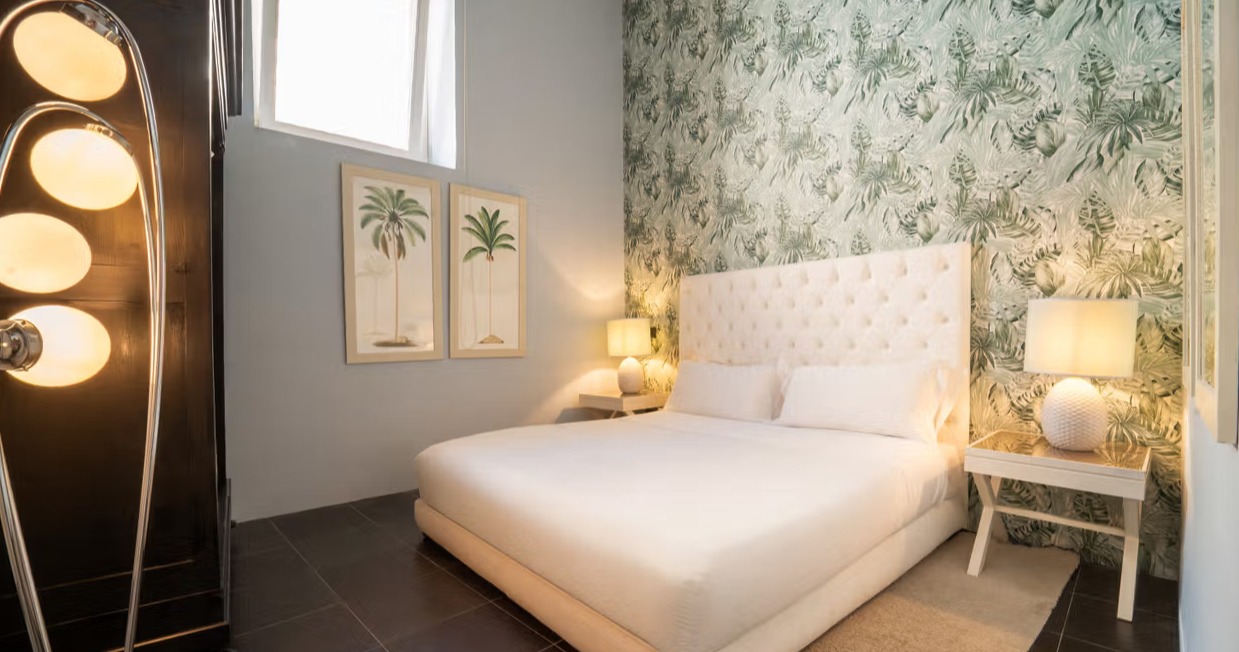
classic room featuring a tufted white headboard against a dramatic green tropical print wallpaper and dark tiled floor

Italy, Sicily

Q92 Noto

A ten-room hotel in a 1696 palazzo on Noto's main Corso, facing the Cathedral — and the only address whose balconies look straight down onto…

Sicily Guide

The south-east: the Val di Noto and the Baroque towns

 The south-eastern corner is Sicily at its most composed. When the 1693 earthquake levelled the region, its towns were rebuilt wholesale in golden tufa stone, in a single sustained burst of late Baroque — and Noto, Modica, Ragusa Ibla and Scicli are the UNESCO-listed result, stage-set towns of churches, palazzi and theatrical staircases best seen at the evening passeggiata. Noto is the showpiece, its Corso and Cathedral the set-piece of the whole movement; each May its streets carry the Infiorata, a vast carpet of flower petals. Around the towns, the Val di Noto runs to dry-stone walls, carob trees and the cleanest beaches on the island — the Vendicari reserve, the Lido di Noto — while Syracuse and the ancient island of Ortigia sit just up the coast. It is the corner for travellers who want culture, food and quiet in equal measure, with Catania's airport an hour away.

Etna, Taormina and the rest of the island

Beyond the Baroque south-east, Sicily opens into its other selves. The east coast is dominated by Etna — Europe's largest active volcano, climbable and ringed by vineyards growing some of Italy's most exciting wines — with Taormina, the cliff-top resort town and its Greek theatre, as the glamorous high-season counterpoint. The interior is the empty heart: the Madonie mountains, wheat country and remote stone farms, where the island slows to the rhythm of the harvest and the views run unbroken for miles. To the west, Palermo is the chaotic, magnificent capital — Arab-Norman churches, baroque decay and the greatest street-food markets in Italy — with the cathedral town of Monreale above it and the resort coast of Cefalù along the way. Agrigento's Valley of the Temples, on the south coast, holds Greek temples as fine as any that survive.

When to visit Sicily

May, June, September and October are the island's best months — warm, swimmable, and clear of the fierce heat of high summer. July and August are very hot, especially inland, and the coast and Taormina fill with Italian holidaymakers; the sea is at its warmest but the popular spots are busy and dear. Spring is glorious for the Baroque towns and the countryside, with wildflowers and the Noto Infiorata in May; autumn adds the grape and olive harvests and Etna's vineyards at their best. Winter is mild on the coast and genuinely quiet — good for the cities and the archaeology, with snow on Etna for the skiers.

Frequently Asked Questions about Sicily

Icon of Here for You
Here for You
Icon of Free Extras on Arrival
Free Extras on Arrival
Icon of Best Price Guarantee
Best Price Guarantee
Icon of Personally Approved Hotels
Personally Approved Hotels
Icon of Exclusive Offers
Exclusive Offers
Icon of New Finds Every Month
New Finds Every Month