Destination, hotel name or experience

Boutique Hotels in Siena

Introducing Siena

Siena is the medieval city Florence never quite managed to crush. Its great rival through the Middle Ages, it lost the contest for Tuscany and, in losing, was frozen — a Gothic city-state preserved almost whole, its red-brick towers and sloping shell-shaped piazza barely altered since the fourteenth century. Where Florence is Renaissance and marble, Siena is medieval and brick, smaller, steeper and stranger, a city still divided into seventeen contrade whose rivalries play out each summer in the Palio, the bareback horse race run around the Campo that is less a tourist event than the city's beating heart.


But the name covers more than the city. Siena gives its name to a province that holds the most photographed countryside in Italy: south of the walls the land rolls into the Val d'Orcia, the cypress-lined hills, golden wheat and lone farmhouses that became the world's shorthand for Tuscany itself. Here sit the Renaissance jewel of Pienza, the Brunello vineyards of Montalcino, the Vino Nobile town of Montepulciano, and the towered skyline of San Gimignano to the north-west. The city is the gateway and the cultural anchor; the province is where most travellers end up lingering. Take both — a day inside the walls, the rest among the vines — and Siena gives you medieval Tuscany and its landscape in a single base.

Browse on Map — Siena

Explore 1 exceptional boutique hotel hand-picked in Siena. Click a pin to discover each property.

Hotels in Siena

La Bandita Townhouse

Italy, Siena

La Bandita Townhouse

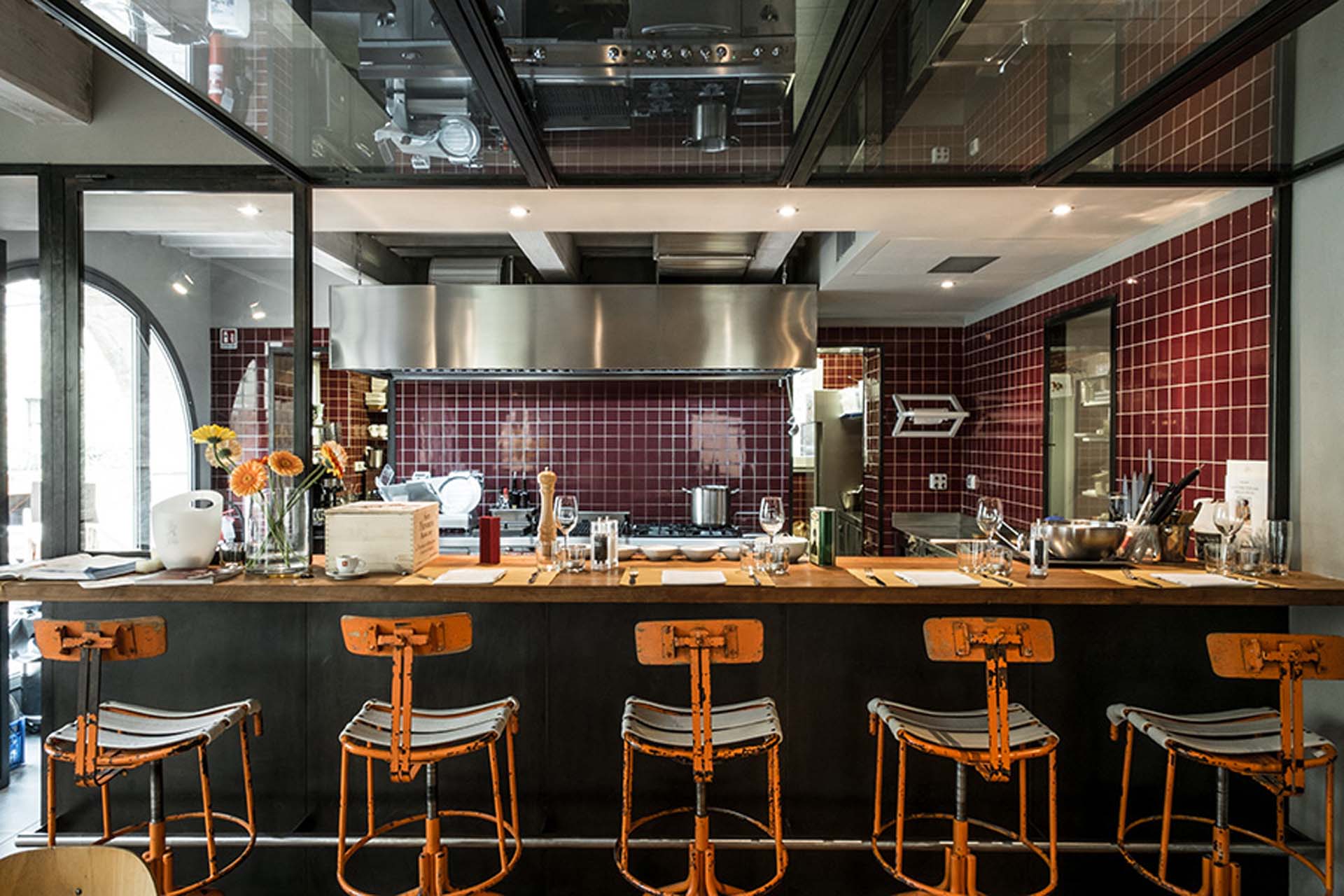
A twelve-room hotel in a former convent on Pienza's main Corso, with a chef's-bar restaurant and a walled garden — village life in the Val…

Siena Guide

The city: Siena within the walls

Siena repays slow wandering more than ticking off sights, but it has two unmissable ones. The Piazza del Campo — the great sloping fan-shaped square at the city's heart, ringed by palazzi and crowned by the soaring Torre del Mangia — is among the finest public spaces in Europe, and twice each summer it becomes the track for the Palio. The Duomo is the other: a striped marble-and-stone cathedral with a floor of inlaid pictures uncovered only weeks each year, a Piccolomini library frescoed by Pinturicchio, and a Pisano pulpit. Beyond the two, the pleasure is the medieval fabric itself — the brick lanes climbing between the contrade, each with its own fountain and symbol, the artisan workshops, the cluster of restaurants serving pici, the thick hand-rolled Sienese pasta. The city is compact and walkable; the car stays outside the walls.

The province: the Val d'Orcia and the wine towns

The countryside south of Siena is the reason many people come to Tuscany at all. About an hour from the city, the Val d'Orcia unfolds — a UNESCO landscape of rounded hills, solitary cypresses and stone farmhouses that has shaped the way the world pictures rural Italy. Pienza, the Renaissance "ideal city" rebuilt by Pope Pius II, sits at its heart, famous for its harmonious Corso and its sheep's-milk pecorino; Montalcino, walled and hilltop, produces Brunello, one of Italy's greatest red wines; Montepulciano, a few valleys east, pours Vino Nobile from cellars cut into the rock; and Bagno Vignoni keeps a Renaissance thermal pool in its main square. North-west of the city, San Gimignano raises its medieval towers over the Chianti edge. The towns are close on the map but slow on the road, and a car is essential — the pleasure is the driving between them as much as the stops.

When to visit Siena

May, June, September and October are the best months — warm, clear, the Val d'Orcia green in spring and golden by late summer, the wine towns in full swing without the August crush. July and August bring the heat and the crowds, but also the two runnings of the Palio (2 July and 16 August), worth planning around in either direction: thrilling to witness, but the city is packed and rooms scarce and dear for days either side. Autumn is the connoisseur's season — the grape and olive harvests, the vineyards turning, the light long and low over the hills. Winter is quiet and atmospheric in the city, though many country hotels and restaurants close from November to March.

Frequently Asked Questions about Siena

Icon of Here for You
Here for You
Icon of Free Extras on Arrival
Free Extras on Arrival
Icon of Best Price Guarantee
Best Price Guarantee
Icon of Personally Approved Hotels
Personally Approved Hotels
Icon of Exclusive Offers
Exclusive Offers
Icon of New Finds Every Month
New Finds Every Month