


A Regency spa town
Cheltenham owes its looks to the Regency boom that followed the discovery of its spa waters in the 1700s, when royal patronage — George III among the visitors — turned a small town into a fashionable resort. The legacy is one of the finest groups of Regency architecture in England: the long, tree-lined Promenade with its Neptune Fountain and Long Gardens; the white-stuccoed terraces and crescents; and, above all, Montpellier and the neighbouring Suffolks, where the famous Caryatids — sculpted figures standing in for columns — line the shopfronts of Montpellier Walk. This is the part of town to wander, with its independent boutiques, antique shops, galleries and terrace cafés set among graceful nineteenth-century buildings, and its gardens laid out for summer concerts and picnics.
Beyond the shopping streets, the town's cultural riches are considerable. The Wilson is Gloucestershire's standout art gallery and museum, strong on the Arts and Crafts work the Cotswolds inspired; Holst Victorian House preserves the birthplace of the composer Gustav Holst, who wrote The Planets. Pittville Park, with its Grade I Pump Room of 1825, is the grandest of the green spaces, and the leafy Pittville district around it among the smartest. And the festivals are a destination in themselves — literature and science, music and jazz across the year — while the Cheltenham Festival each March brings the best of National Hunt racing to the racecourse on the edge of town.
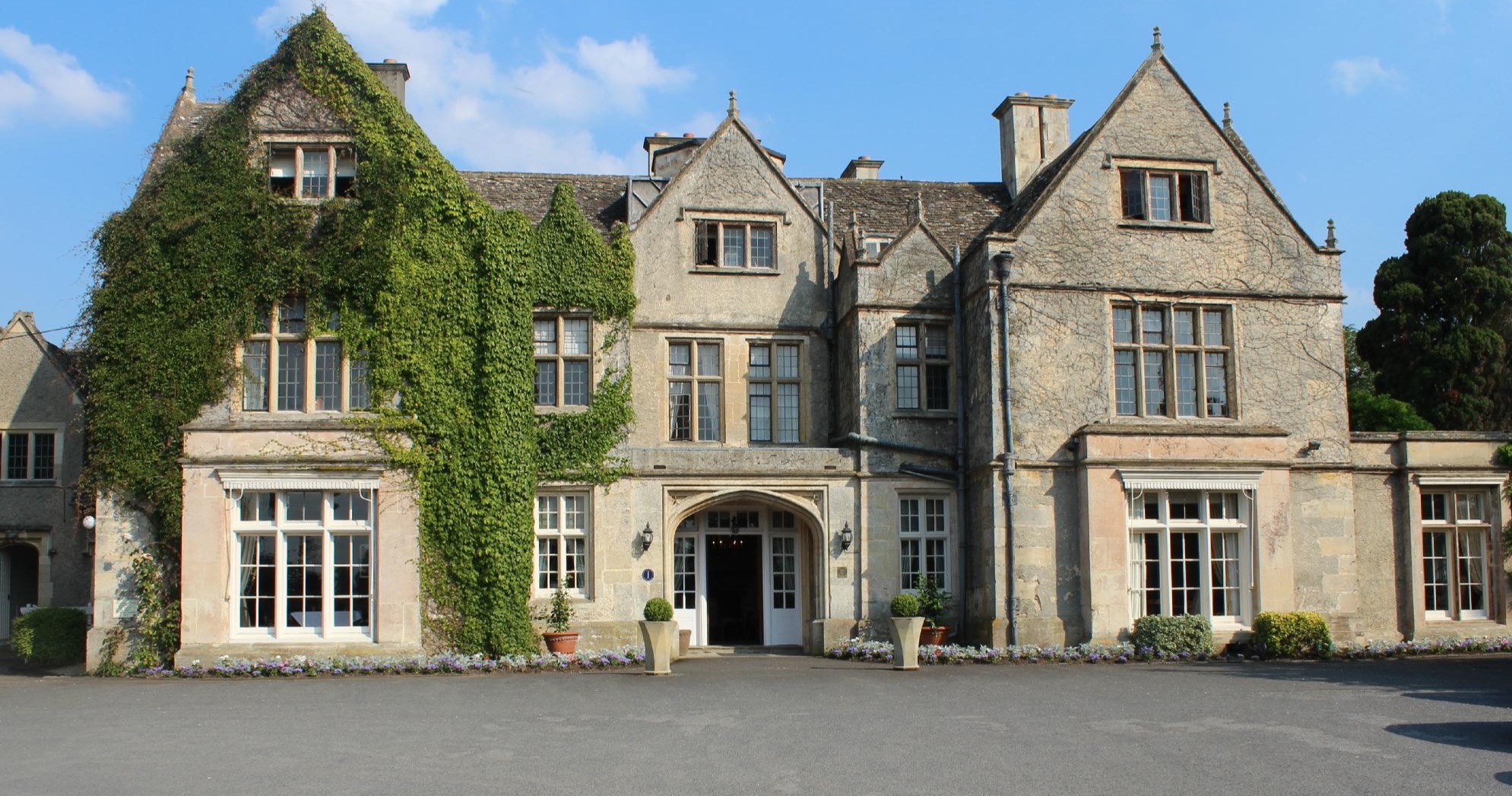
Cheltenham is also the natural gateway to the Cotswolds, with the honey-stone villages, Sudeley Castle and the wider hills all within easy reach, and the GWSR steam railway a short drive away. For where to stay, the club's choice sits just south of town: The Greenway, a 16th-century Elizabethan manor house and spa in eight Cotswold acres, with a fine country-house restaurant and the Elan destination spa — a country base minutes from the festivals and the racecourse.


