


Two coasts and a wild middle
South Devon is the gentle one — a coast of wooded estuaries and sheltered harbours that has long drawn the sailing-and-second-home crowd. Salcombe, on its ria, is the smartest of the resorts, all crab lunches and Salcombe Dairy ice cream; Dartmouth, up the coast, mixes a deep-water harbour and colour-washed merchant houses with the hilltop Britannia Royal Naval College; and the English Riviera around Torquay brings palm trees and Victorian-resort nostalgia. To the east runs the Devon stretch of the Jurassic Coast, England's only natural World Heritage Site, where the fishing villages of Beer and Branscombe sit beneath crumbling fossil cliffs.
North Devon is the wild counterpart. Its Atlantic-facing beaches form the only World Surfing Reserve in the UK — Woolacombe, with the longest beach in England, alongside Croyde, Saunton and Putsborough — while the coast path climbs over headlands between surf villages and the harbour town of Ilfracombe. Inland lie the two moors: Dartmoor, 368 square miles of granite tors, beech-lined rivers and free-roaming ponies, and quieter Exmoor on the Somerset border. Tying it together is Exeter, the county town, with its Gothic cathedral — home to the longest uninterrupted medieval vaulted ceiling in the world — and a lively quayside; it is the obvious base, with the M5 and two mainline stations putting both coasts and the moor within an hour. The Tarka Trail and the Exe Estuary path add easy, traffic-free riding for families.
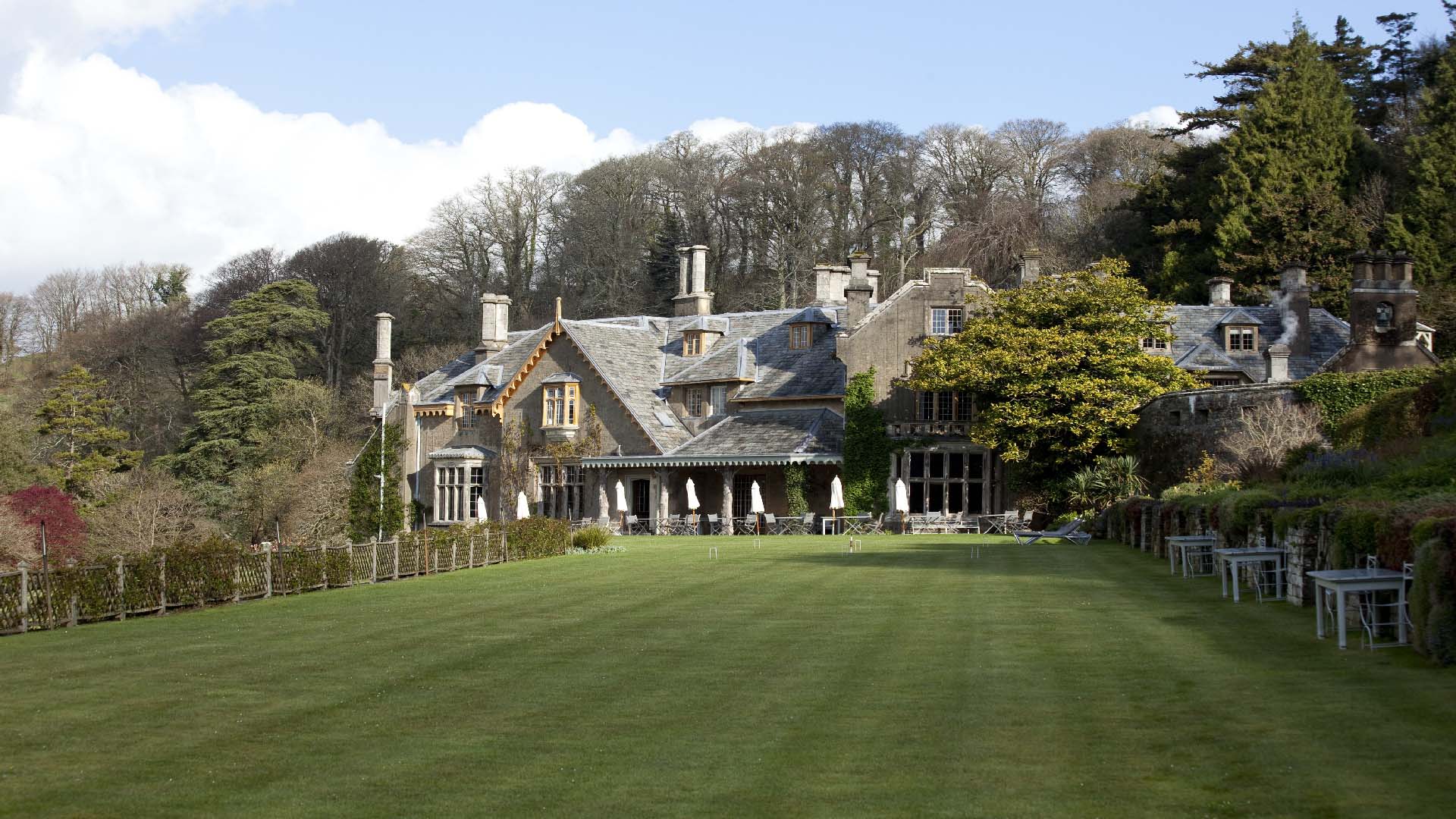
Devon's food matches its scenery: seafood landed along both coasts, farmhouse cheese and clotted cream, and a serious modern dining scene. For where to stay, the club's choice is inland, in the deep quiet of the Tamar Valley: Hotel Endsleigh, a Grade I-listed former ducal lodge near Tavistock, set in Humphry Repton's celebrated gardens above the river — a garden-lover's country house on the edge of Dartmoor, and a romantic counterpoint to the busy coast.


