


The first industrial city, reborn
Manchester's story begins at Castlefield, where the Romans built the fort of Mamucium and, seventeen centuries later, the Bridgewater Canal became the world's first true industrial waterway. Today it is a conservation area of restored basins, iron railway viaducts and the Castlefield Viaduct sky garden, with the Science and Industry Museum alongside, set on the site of the oldest surviving passenger railway station in the world. It is the place to grasp what Manchester was before you enjoy what it has become.
The reinvention is everywhere. The Northern Quarter is the creative heart — record shops, vintage stores, street art and the food hall at Mackie Mayor — while neighbouring Ancoats, once the world's first industrial suburb, is now one of the city's best places to eat. Afflecks, the indoor warren of indie stalls, is the Northern Quarter institution to lose an hour in. For culture there is the neo-gothic John Rylands Library on Deansgate, the free Manchester Art Gallery and the Whitworth, and across the water at Salford Quays the Lowry and Daniel Libeskind's Imperial War Museum North. Music runs through all of it, from intimate rooms like Band on the Wall to the grand converted chapel of the Albert Hall, while the city's football is a pilgrimage in itself, with Old Trafford and the Etihad both offering stadium tours and the National Football Museum in the centre.
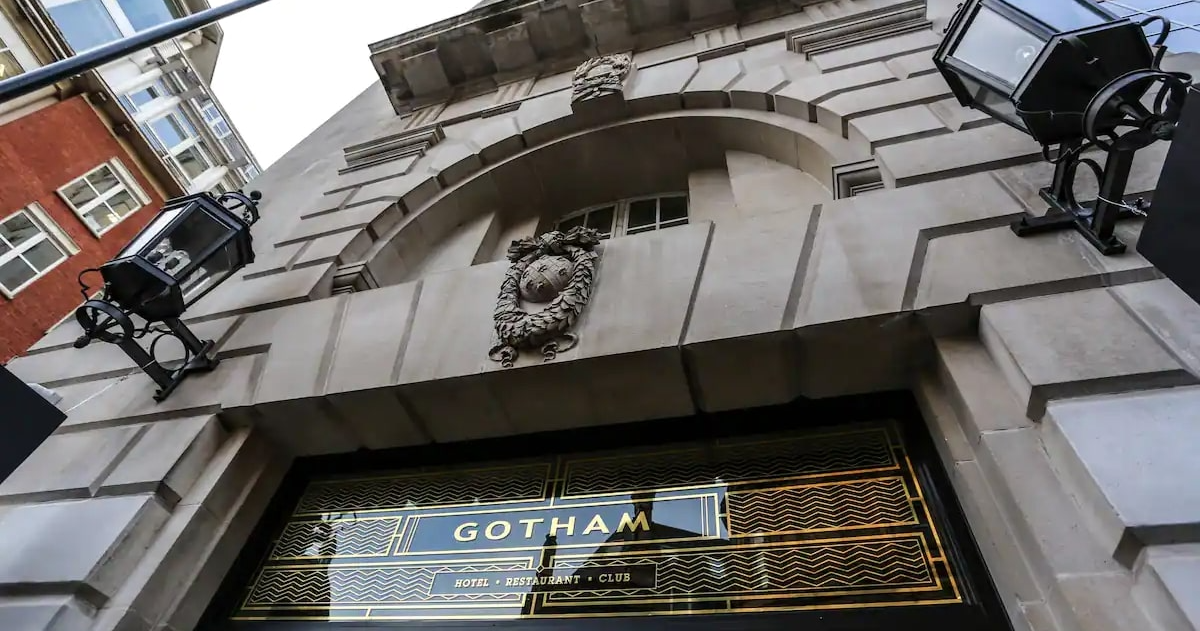
Add the bars of the Gay Village around Canal Street, the festivals — chief among them the Manchester International Festival — and a compact, walkable centre served by cheap trams, and a couple of nights barely scratch it. For where to stay, the club's choice is right in the heart of it: The Rex, on King Street, a boutique hotel in Sir Edwin Lutyens' former Midland Bank, where rooftop terraces and dining in the old bank vaults make a virtue of the building's past.


