

€209.30 for 1 Night





24/7 Support
 Looking for help choosing or for a property we don't list? Message our Private Rates Concierge on WhatsApp for member rates and insider knowledge on the right stay
€209.30/ Night
24/7 Support
Looking for help choosing or for a property we don't list? Message our Private Rates Concierge on WhatsApp for member rates and insider knowledge on the right stay
A designer's hotel for over-12s on a working tea estate above Koggala Lake near Galle, its pavilion suites dressed by their owner, George Cooper.
Collections:

Award Winner 2013
NEWCOMER
Need To Know
- Suites and villas in separate pavilions through the gardens, some of them with private pools.
- No children under twelve.
- Open all year; November to April is the dry season here.
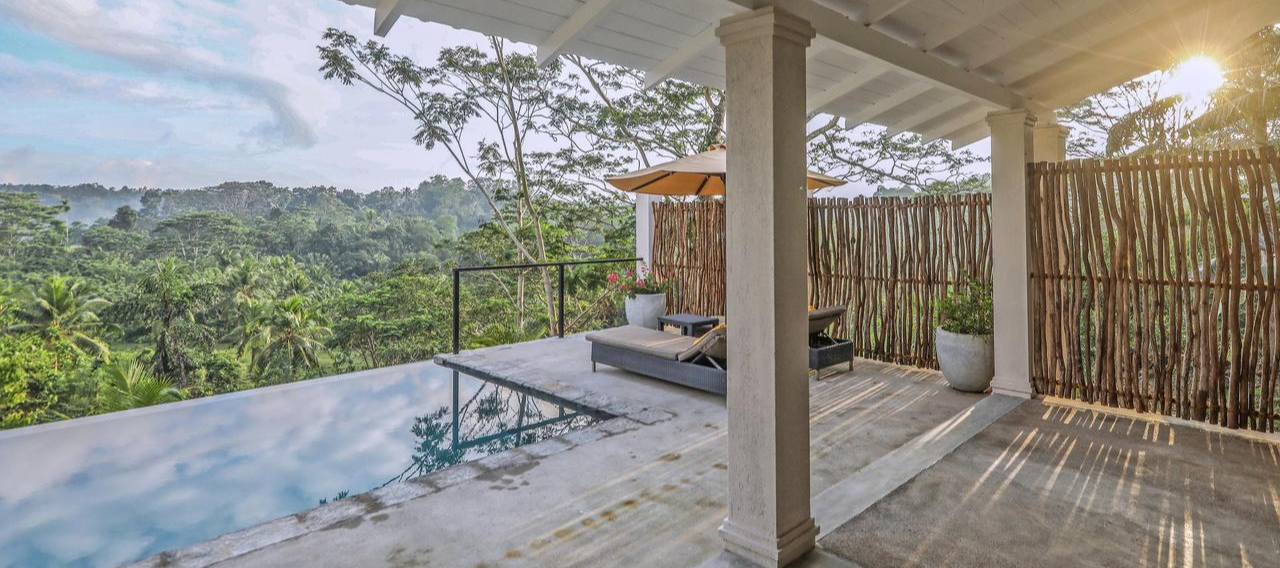
- Our favourite rooms: Dubu for a honeymoon, for its infinity pool above Koggala Lake, and Nelum, whose raised position gives the best view of the lake; members book them at rates we hold for the Club.
- Guests can also eat at the owner's sister hotel on the beach, a free tuk-tuk ride away.
Check in - Check out
Check in from 14:00; check out before 11:00.
We Love
- Cinnamon Island on Koggala Lake, a boat ride away, where families still turn the bark into oil.
- Breakfast that starts with toast and homemade passionfruit jam and moves on to hoppers, or fruit with buffalo curd.
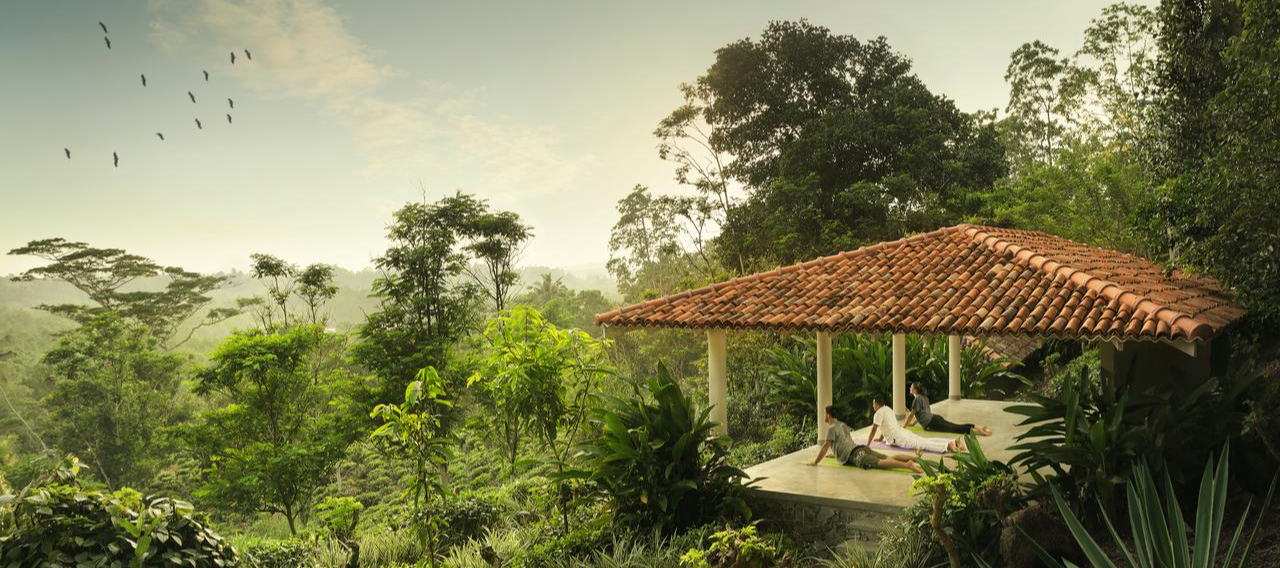
- An open-air yoga shala on the first floor, for an early class above the jungle and its birds.
- Peacocks and parakeets in the gardens, and lily ponds round the open-sided pavilions where the house eats and lounges.
- Southern Sri Lanka's blue whales, seen on whale-watching trips off Galle that the hotel will arrange.
Key Features












Book Your Stay at Kahanda Kanda
€209.30 for 1 Night
Location
Address
Kahanda Kanda, Galle, 80000, Sri Lanka
Travel Info
Kahanda Kanda stands above Koggala Lake ten minutes inland, a 20-minute drive from Galle. Colombo's airport is 165 kilometres away and the hotel arranges transfers; staff will also meet the coastal train at Galle.
Nearby Places
Koggala Airport
4.2km

Expert Review
Origins
George Cooper bought the estate in a hurry. An interior designer who began in London and worked for thirty years, he came to Sri Lanka in 1999 to find out where his great-grandfather had lived as a rubber planter in Ceylon from 1860, and on the fourth day of the visit agreed to buy a small tea plantation near Koggala. The suites were designed with Bruce Fell-Smith, an Australian architect based on the island. On his days off Cooper sails a catamaran in Weligama Bay.
Top Secret
Ask the hotel to arrange a morning at the tea factory on a neighbouring estate, whose teas go to salons in London and Paris. The machinery is old and handsome, and the tasting is a lesson in the hills outside your window.
The Review
Someone has built a saffron wall eighty metres long across a ridge in southern Sri Lanka and cut windows into it, so that it hides the view and then hands it back a piece at a time. The wall is the signature of Kahanda Kanda, and like most things here it was one man's idea. George Cooper, the interior designer who made the hotel out of a small tea estate above Koggala Lake, still lives on it. The place has the air of a collector's house that has agreed to take in guests.
The rooms are pavilions spread through the gardens and no two are dressed alike; Cooper filled them with antiques and some of his own possessions. Dubu, the honeymoon villa, is an antique joglo house brought from Java and set apart from the rest under its carved ceiling. The Plantation Villas have verandas over the paddies, where water buffalo cross below and parakeets go over, and Peacock keeps a small library of its own.
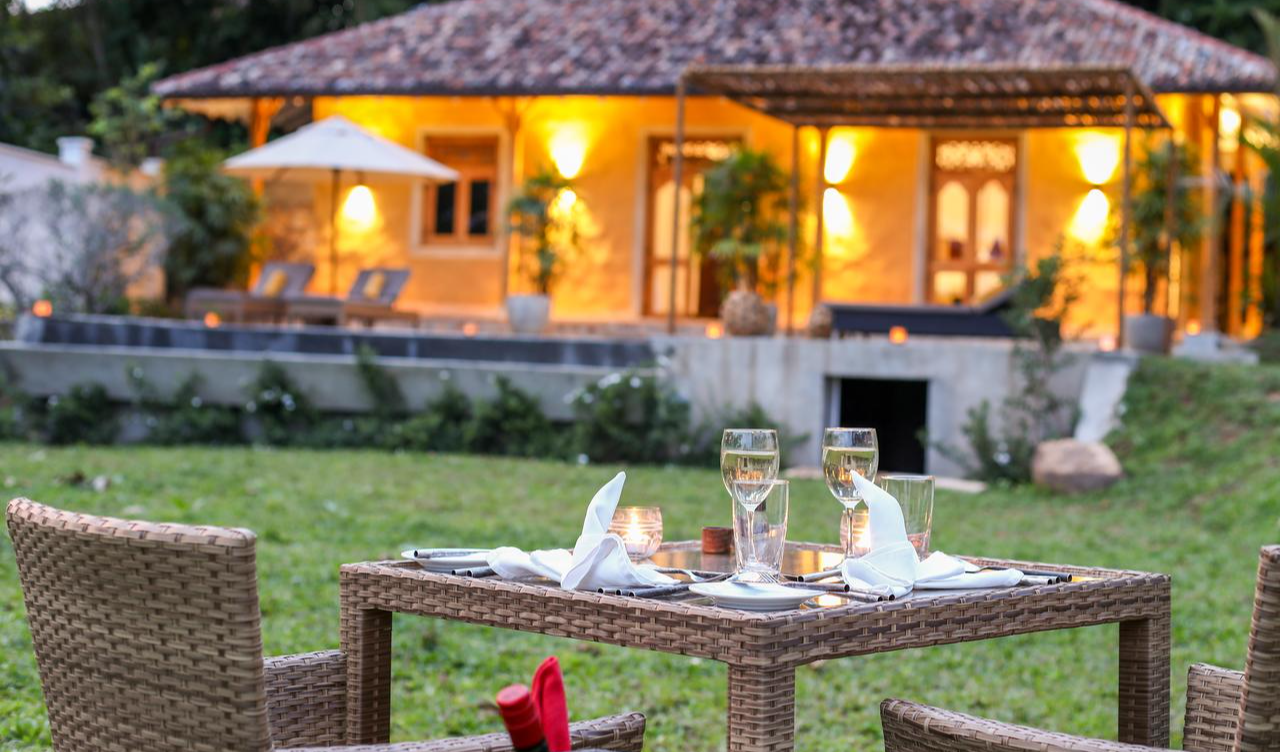
Meals are arranged, not timetabled. Each morning the staff ask whether you will be in for lunch and dinner, and the cooks, working from a menu that changes daily and borrows from Sri Lanka and Thailand as much as from Europe, will serve it in the open pavilion or on cushions under a candlelit gazebo in the garden. Most of the fruit and vegetables come off the estate, and the wood-apple sorbet is the thing to order. The mosquitoes were here first, and the hotel has stopped arguing with them; there is repellent in every room.
It is a drive to anywhere, though a short one. The beaches are about fifteen minutes away and the hotel takes guests down to them free, and Galle Fort is twenty minutes by car. No one under twelve may stay, for good reason, since there are lily pools everywhere and steep drops below some of the rooms, and the house suits couples best. Below the ridge lies Koggala Lake, and at dusk hundreds of fish eagles come in to nest on an island of their own.


