Where to stay in Chiang Mai
Chiang Mai is small enough to cross in twenty minutes and varied enough that the twenty minutes matter. Four areas, four different holidays.


Chiang Mai is the counterweight to everything Bangkok is. Six hundred years older, several degrees cooler, ringed by mountains and slowed by them, it was the capital of the Lanna kingdom long before Siam had a capital worth the name, and it still keeps the habits of one: three hundred temples inside a moat, a market culture that begins before dawn, and a pace that visitors mistake for sleepiness until they try to keep up with it.
The city has become the centre of Thai wellness and Thai craft, which are related things. The teak houses that made merchants rich in the nineteenth century are being restored one by one; the hill country an hour north grows coffee and cool air; and the food, sour, herbal, funkier than the south, is worth the flight on its own.
Where you stay decides what kind of trip you have. Inside the moat you get temples on foot. On the river you get the old merchant quarter. In the Suthep foothills you get quiet and forest. Up in the mountains you get proper altitude. Below, how the city breaks down, and when to come.
Explore 5 exceptional boutique hotels hand-picked in Chiang Mai. Click a pin to discover each property.

Thailand, Chiang Mai
Onsen @ Moncham
Price for 1 night from
€165.80
Thailand, Chiang Mai
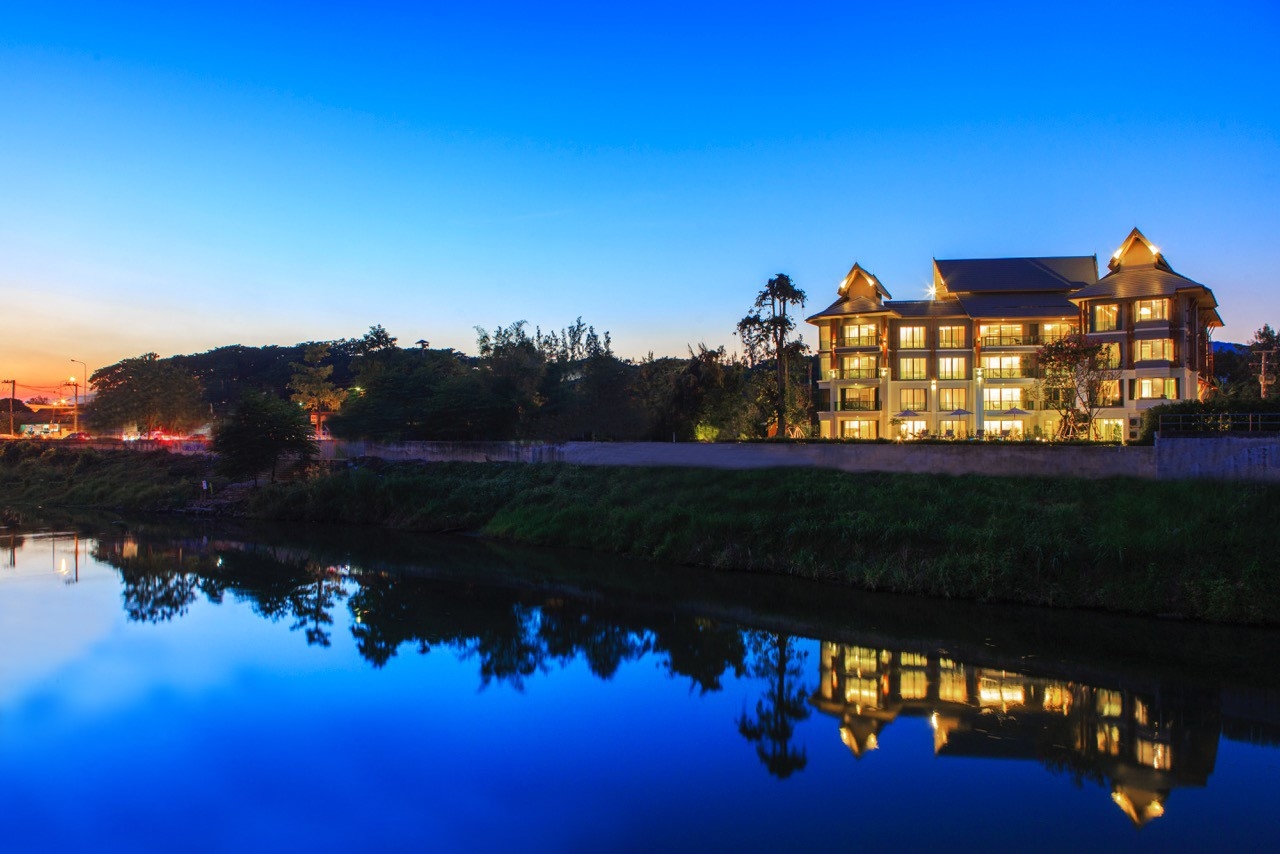
The Chiang Mai Riverside
Price for 1 night from
€105.90
Thailand, Chiang Mai
Aleenta Retreat Chiang Mai
Price for 1 night from
€147.70

Thailand, Chiang Mai
Villa Mahabhirom
Thailand, Chiang Mai
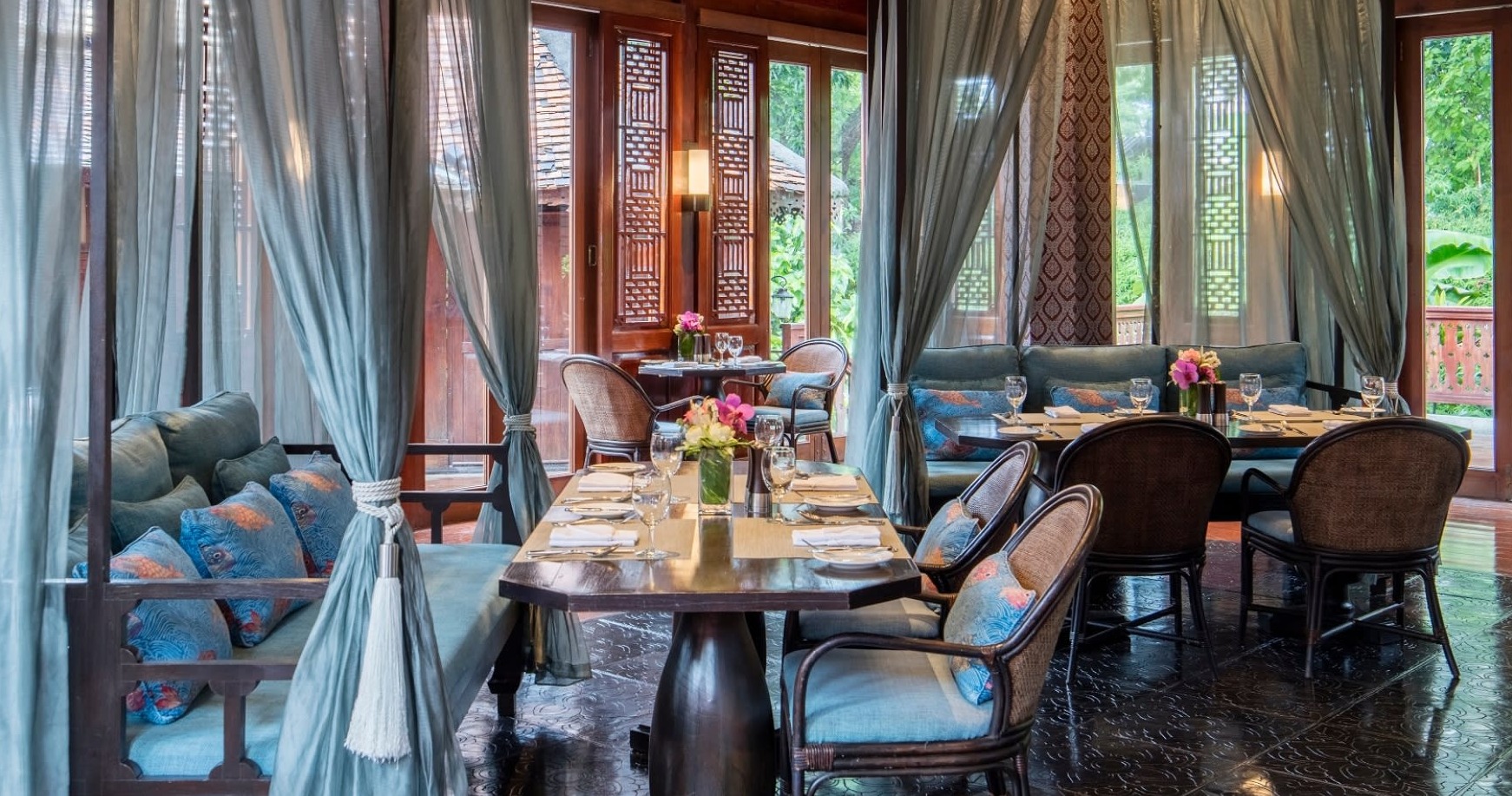
137 Pillars House
A romantic jungle retreat in Chiang Mai where colonial-era charm meets poetic Thai elegance
Chiang Mai is small enough to cross in twenty minutes and varied enough that the twenty minutes matter. Four areas, four different holidays.

The east bank was the foreigners' quarter in the teak-trading years, and it still feels slightly apart: merchant houses, riverside cafés, a lived-in calm that the Old City lost some time ago. A pedestrian bridge drops you at Warorot Market and the moat is a short walk beyond. 137 Pillars House is the anchor here, thirty suites arranged around the restored 1889 teak house that served as the Borneo Trading Company's headquarters and later as the home of Louis Leonowens, whose mother tutored the royal children of Siam. A little further downstream, The Chiang Mai Riverside takes the same idea smaller: fourteen suites on the Ping, personal butlers, breakfast brought to your room.
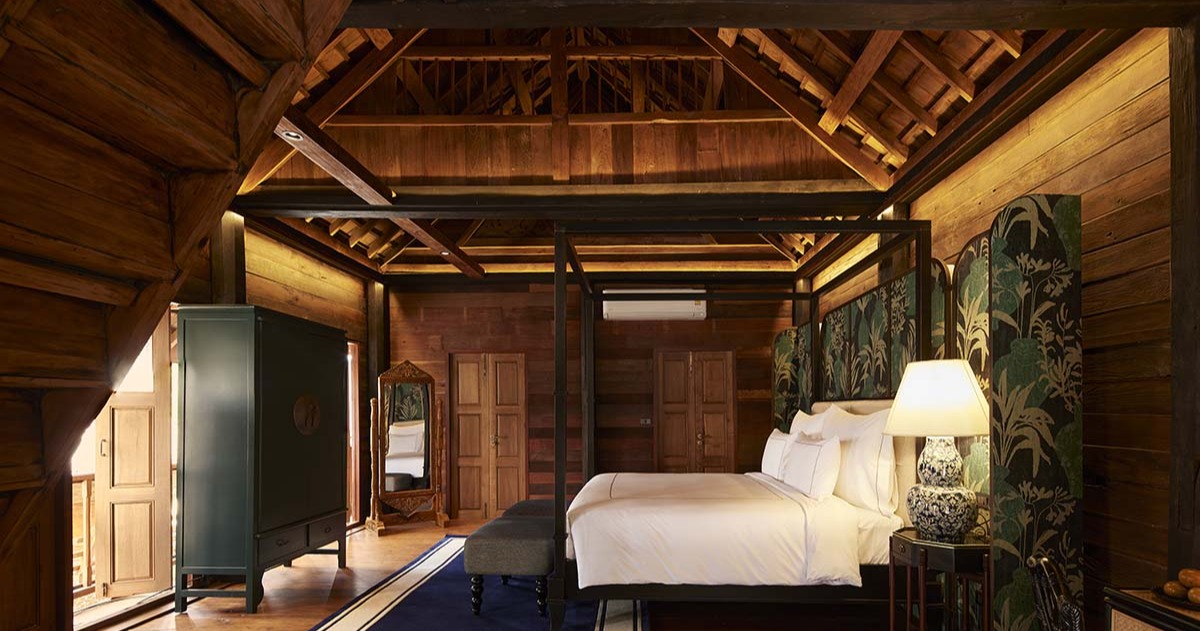
West of the city, the land tilts up towards Doi Suthep and the noise stops. This is where you come for forest, temples and space, ten minutes from the Old City but a different proposition entirely. Villa Mahabhirom is the most singular thing in Chiang Mai: fourteen antique teak houses, bought from villages across central Thailand, dismantled, moved and rebuilt here without a nail. Close by, Aleenta Retreat takes the wellness route, restored Lanna teak, a spa built around personal consultation, and a green ethos that runs to cleaning the rooms with ozonated water.
An hour north, the road climbs to Mae Rim and the air turns genuinely cold at night. Onsen at Moncham sits at 1,200 metres, a Japanese ryokan with a natural hot spring, tatami suites and gender-segregated thermal baths, which is an odd thing to find in northern Thailand until you have spent a January evening at that altitude.
Inside the moat is where the temples are: Wat Chedi Luang, its enormous ruined stupa, Wat Phra Singh, Wat Chiang Man. Nowhere to stay in our collection sits within the walls, which is no great loss, because everything inside is walkable and everywhere outside is ten minutes away.
Climb, or drive, to Wat Phra That Doi Suthep for the view over the plain, ideally at first light. Walk the moat's temples in a morning. Take the Sunday walking street if you are here for it, and Warorot Market if you are not. Learn to cook, properly, for a day. Get out to the hill country north of Mae Rim for coffee farms and rice terraces. And spend an hour at Wat Umong, the forest temple with its brick meditation tunnels and lotus ponds, which almost nobody does.
November to February is the season, and it is a real one: dry, sunny, cold enough at night in the hills for a jumper, warm enough by day for a pool. March and April bring the burning season, when agricultural smoke settles in the valley and the air quality drops sharply, worth avoiding outright. The rains run from June into October, greening everything and thinning the crowds, and are rarely all-day affairs.
Because it is the cultural heart of Thailand, and cooler in every sense than the south. Three hundred temples, a six-hundred-year-old Lanna capital inside a moat, the country's best craft tradition, serious wellness retreats, mountain hill country an hour away, and northern food that is sourer, more herbal and better than most people expect. It also pairs perfectly with a beach week.


