
Boutique Hotels in Croatia
Introducing Croatia
Croatia has become a well-known secret in recent years, but we'll show you the quieter parts of this corner of Europe. There are 1,000 Croatian islands adrift in the Adriatic and only 66 are occupied; you can pass hours touring by boat.
Mljet
Mljet is a small, beautifully preserved island off the southern Dalmatian coast, once home to a 12th-century Benedictine monastery and now divided between forested national park and generous beach. You can pedal through the park to discover its pair of saltwater lakes, or visit one of the villages to enjoy fresh Croatian cooking. The island's eastern end is quieter and more agricultural than the National Park half, ending in the small fishing village of Saplunara beside one of the few sand beaches on Mljet's mostly-rocky coast. PineTree Boutique Apartments sits at Saplunara — six family-owned waterfront units beside an infinity pool, with the on-site konoba Ante's Place cooking Croatian-island dinners from owner Ana's kitchen.
When to visit
The Croatian coast comes alive from late May through September, when the Adriatic warms to swimming temperature and the catamaran routes from Split and Dubrovnik run their summer schedule. Mljet's western National Park is busiest in July and August; the island's quieter eastern end at Saplunara stays manageable through the season. Late May, June and September are the editorial sweet spot — water still swimmable, restaurants and ferries running, but the cruise-ship day-trippers thinner on the ground. The shoulder-season pricing benefit is real on Mljet specifically: most family-run properties close from November through April, so May and October bookings get the genuine off-peak rate without sacrificing the open infrastructure.
Frequently asked questions
How do I get to Mljet from Dubrovnik?
Two routes. The Krilo Jet catamaran runs from Dubrovnik's Gruž port direct to Mljet's Sobra and Pomena ports in summer, roughly 1h15 to Sobra. Alternatively, drive 50 minutes north to Prapratno on the Pelješac peninsula and take the car ferry to Sobra. From Sobra it is a 15-minute drive east to Saplunara.
When is the best time to visit Mljet?
Late May to mid-June and mid-September to mid-October. Water is still warm enough to swim, ferries and restaurants are still running, but the cruise-ship and day-tripper traffic that builds through July and August is much thinner. November through April most island properties close.
Is Mljet worth visiting if I only have a few days in Croatia?
If your time is concentrated on Dubrovnik and you want a one-day boat trip, Mljet's western National Park is a good half-day option. For a proper island stay, Mljet needs two to three nights minimum to justify the journey. The eastern end at Saplunara is where the editorial value sits.
How does Mljet compare to Hvar or Korčula?
Mljet is quieter and more agricultural than either. Hvar runs a major nightlife economy; Korčula has the heritage town with the Marco Polo claim. Mljet has the National Park's twin saltwater lakes, the Benedictine monastery on Sveta Marija islet, the Calypso cave on the south coast, and better beaches than either island. Choose Mljet for quiet, the others for crowds and culture.
Where should I stay on Mljet?
Pomena and Polače are the main National Park villages, useful if hiking and cycling around the lakes is your priority. Sobra is the main port — practical but not the editorial stay. Saplunara at the eastern end is the quietest of the inhabited points and has the best sand beach on the island.
Browse on Map — Croatia
Explore 1 exceptional boutique hotel hand-picked in Croatia. Click a pin to discover each property.
Where in Europe? Croatia

Hotels in Croatia
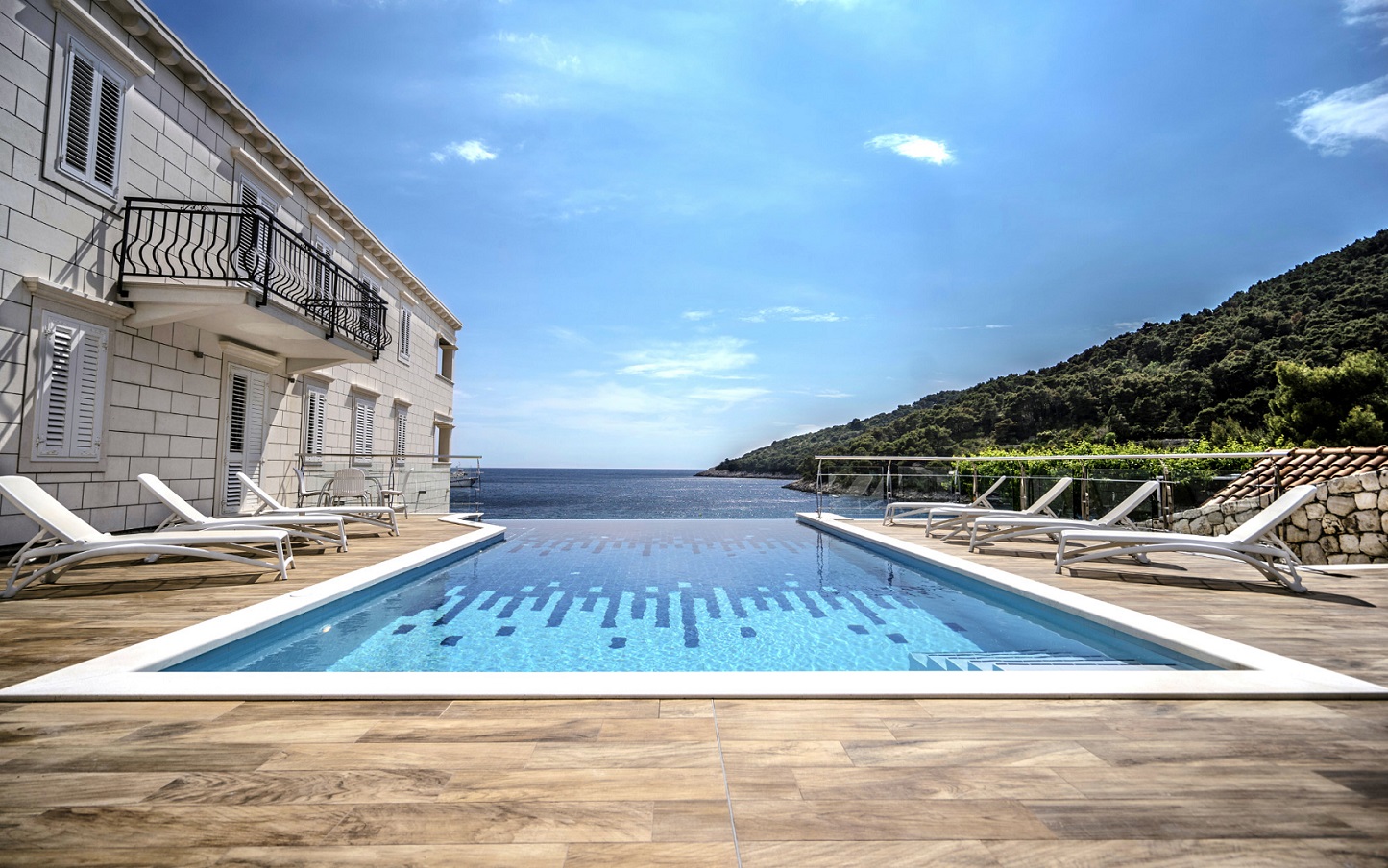
Croatia, Saplunara
PineTree Boutique Apartments
€408.50
Price for 1 night from


