Destination, hotel name or experience

Boutique Hotels in Tyrol

Introducing Tyrol

In Tyrol the first question is always which valley. The Inn runs east-west through the state's floor; Innsbruck sits halfway along it, where the side valleys begin to branch south. The Ötztal, the Stubaital, the Wipptal, the Zillertal, the Paznaun, the Kaisergebirge — each with its own dialect, its own ski culture, its own architecture, and patterns of farming that have not homogenised across short distances. "Tyrolean" is less a uniform identity than a federation of valley identities, and any Tyrolean hotel proposition depends on which valley its driveway leaves.


What unifies the valleys is a regional identity defended fiercely since Andreas Hofer's 1809 resistance to Napoleonic rule. The fierceness survives in the dialect and in the panelled-stube architecture of nearly every farmhouse-turned-hotel in the state. The loss of South Tyrol to Italy at the 1919 Treaty of Saint-Germain is still legible in the cuisine and in the order Tyroleans use to describe themselves: first Tyrolean, then Austrian.

Browse on Map — Tyrol

Explore 3 exceptional boutique hotels hand-picked in Tyrol. Click a pin to discover each property.

Hotels in Tyrol

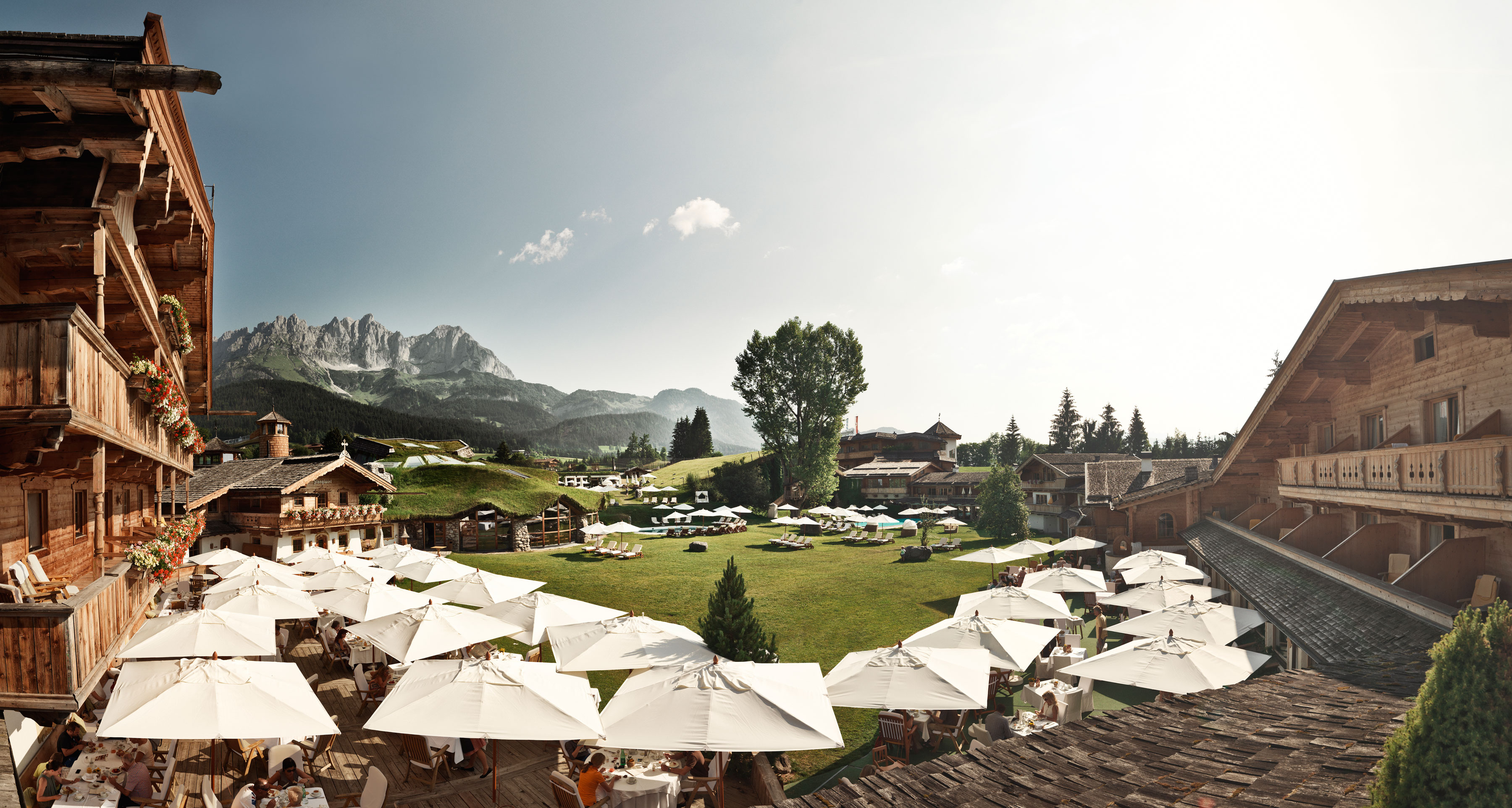
Green SPA Resort Stanglwirt

Austria, Tyrol

Green SPA Resort Stanglwirt

Five Star organic and wellness retreat in the Kitzbühel Alps.

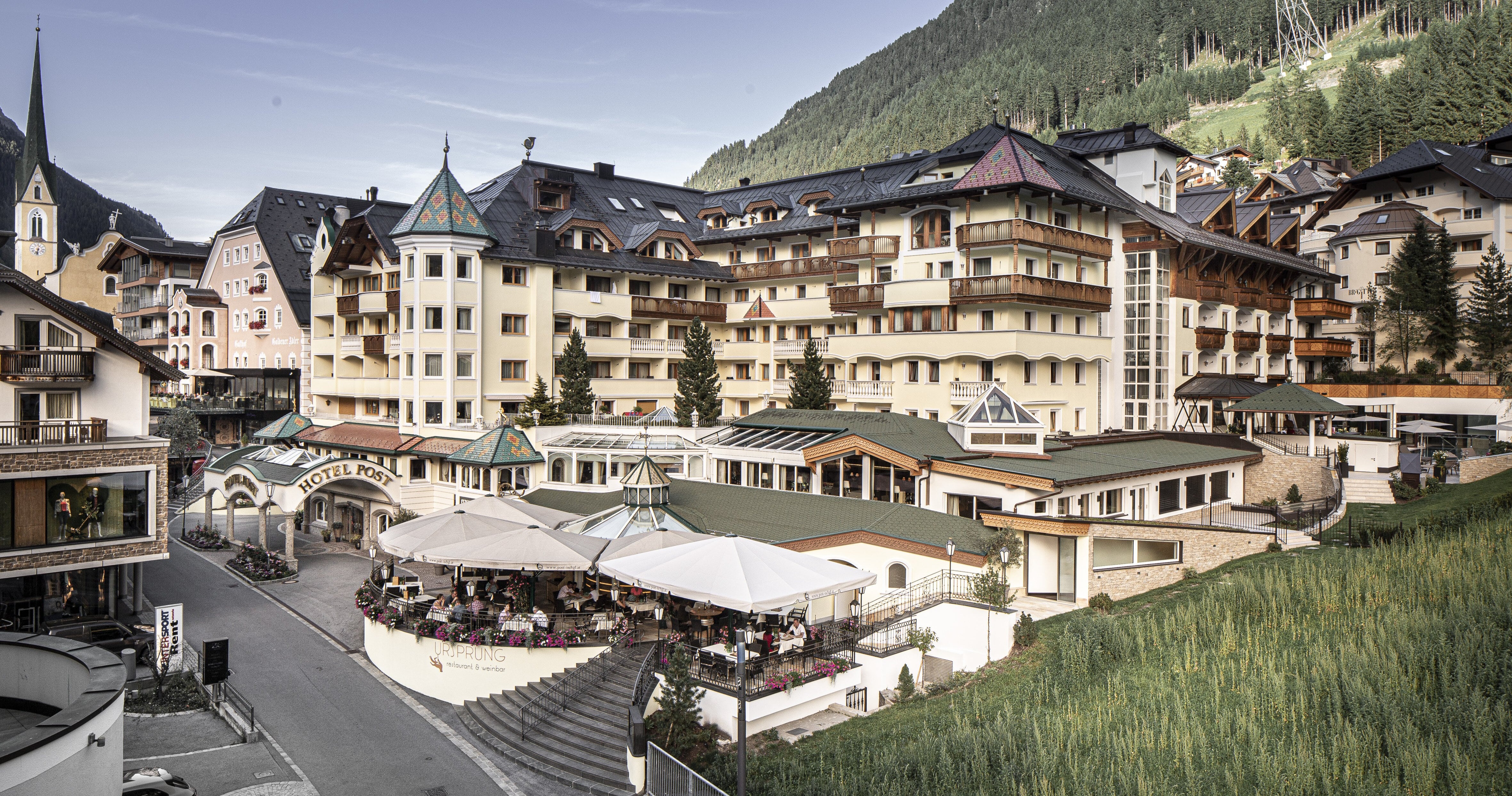
Hotel Post Ischgl

Austria, Tyrol

Hotel Post Ischgl

Sixth-generation Wolf-family hotel in the centre of Ischgl, with the largest wine list in town and a 1,500m² spa

€350.00

Price for 1 night from

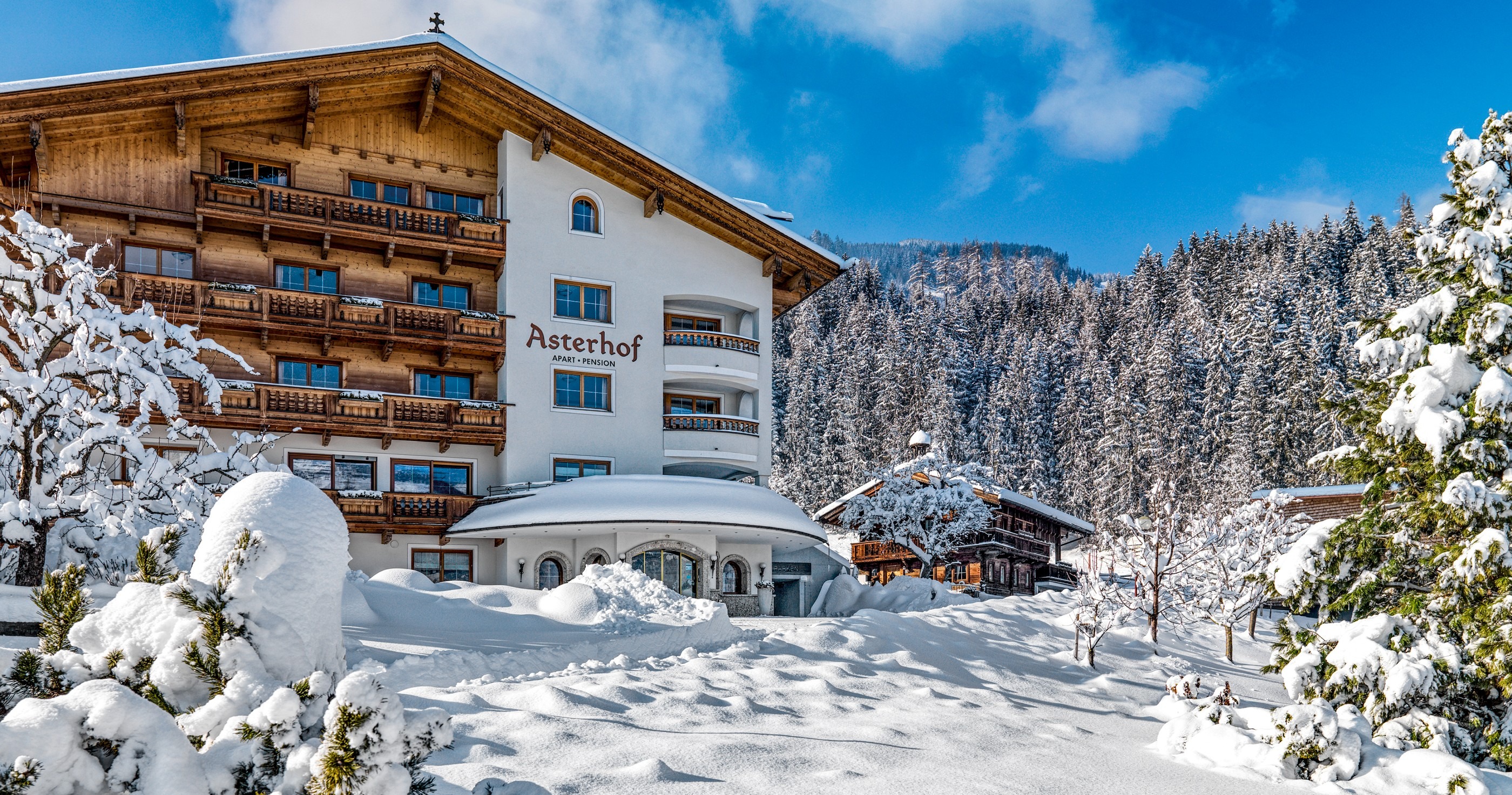
Aster ApartHotel & Chalets

Austria, Tyrol

Aster Boutique Hotel & Chalets

Alpine wellness retreat with stunning mountain views, set in the heart of Austria’s mountain-activity paradise.

Tyrol Guide

Wilder Kaiser
Wilder Kaiser at sunset above Green Spa Resort Stanglwirt's wellness terrace and outdoor pool, Going am Wilden Kaiser 📍

Wilder Kaiser

The Wilder Kaiser — the "Wild Emperor" — is the limestone wall at Tyrol's eastern edge, where the Kaisergebirge mountains divide the state from neighbouring Salzburger Land. The villages at its foot (Going, Ellmau, Söll, Scheffau) sit at the southern entry to the SkiWelt Wilder Kaiser-Brixental, one of Austria's largest ski areas, with Kitzbühel a short transfer away. Green Spa Resort Stanglwirt at Going am Wilden Kaiser is the editorial anchor: a Hauser-family working organic farm with Austria's first private Lipizzaner stud, an 850-bottle cellar overseen by Walter Kaltschik, and 12,000m² of wellness facing the Kaiser massif. The property has been family-owned since 1722.

Zillertal

The Zillertal runs south off the Inn valley between Jenbach and Fügen, the longest of Tyrol's southern side valleys at around 45km from mouth to head. The lower Zillertal is broad, agricultural and dotted with working farms; the upper valley narrows into the high-altitude ski territory around Mayrhofen and the year-round Hintertux glacier. Aster Boutique Hotel & Chalets sits 800m above the valley floor at Fügenberg, with thirteen rooms plus three chalets run by the Plattner family. The 35°C infinity pool over the valley is the wellness anchor; Patrick Plattner personally leads guest ski tours and hikes.

Paznaun

The Paznaun is the western counterweight: a narrower, higher valley running south from Landeck towards the Swiss border, with Ischgl as the dominant town and the Silvretta Arena pistes the regional economic engine. Ischgl is the loudest party-ski town in the Austrian Alps; it is also the home of one of the state's most quietly held heritage hotels. Hotel Post Ischgl is the sixth-generation Wolf-family four-star superior at the village's main address, with the largest wine list in Ischgl, the 1,500m² Postillion SPA carrying nine saunas and steam baths, and Bar 67 named after the hotel's own street number at Dorfstraße 67.

When to visit

Tyrol runs two genuine seasons. Winter (December to mid-April) is the headline: the SkiWelt, Silvretta Arena and Mayrhofen ski areas connect into Austria's most substantial linked terrain, with snow typically reliable from mid-December at altitude. Christmas-New Year and the February school holidays are the peak. Late March and early April offer the best value, with longer days, softer snow and lighter crowds. Summer (June to September) is the under-rated half — alpine hiking on the same lift infrastructure that the skiers use in winter, with the valleys at their greenest in June. July and August bring families; September brings cooler temperatures, the start of the autumn cattle drives, and the quietest version of Tyrol that the resort calendar offers. November and most of April-to-May are shoulder periods when many properties close.

Frequently Asked Questions about Tyrol

Icon of Here for You
Here for You
Icon of Free Extras on Arrival
Free Extras on Arrival
Icon of Best Price Guarantee
Best Price Guarantee
Icon of Personally Approved Hotels
Personally Approved Hotels
Icon of Exclusive Offers
Exclusive Offers
Icon of New Finds Every Month
New Finds Every Month