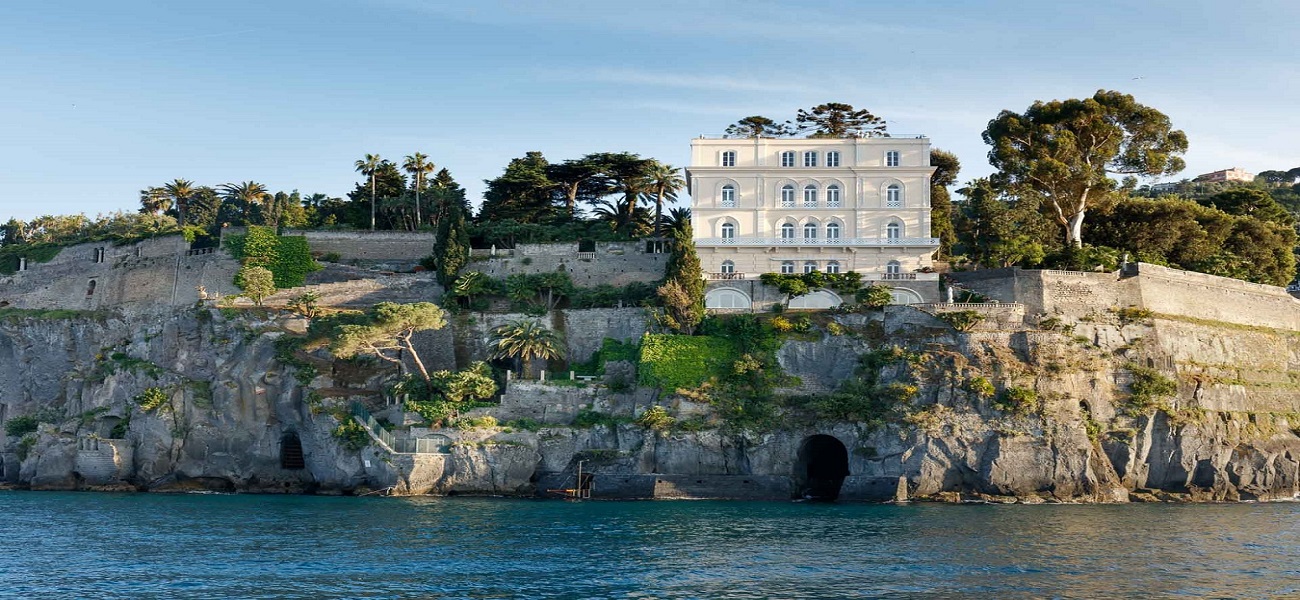
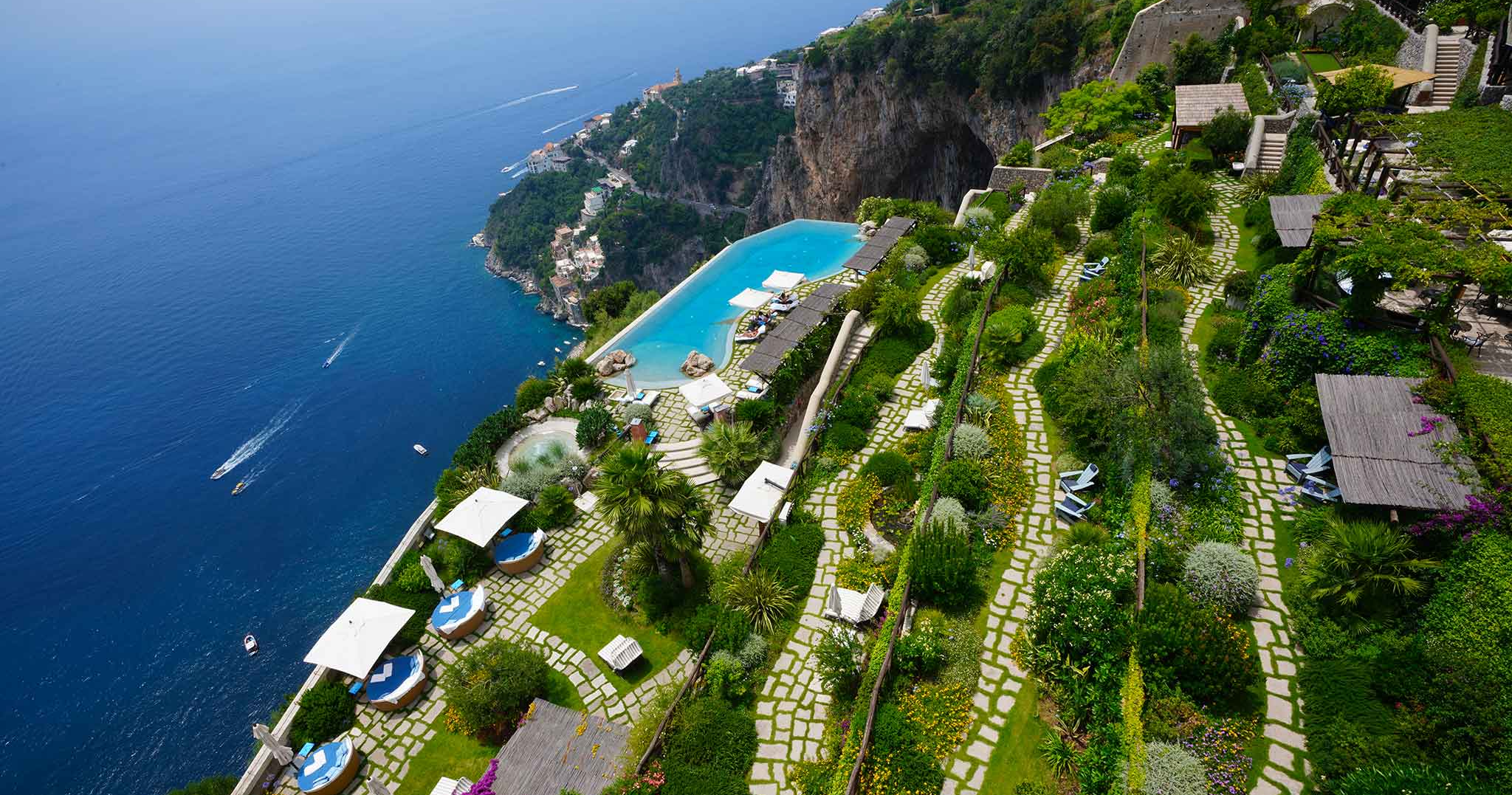
The Amalfi Coast is twenty-five miles of cliffside drama on the southern edge of the Sorrentine Peninsula — pastel villages stacked on near-vertical limestone, lemon groves terraced down to the Tyrrhenian, and a single coast road, the SS163, that has not been widened since it was cut in the nineteenth century. UNESCO lists the whole stretch; the towns hold the detail. Positano is the postcard, white and ochre houses tumbling to a grey-pebble beach. Ravello sits a thousand feet up on its inland ridge, where the gardens of Villa Cimbrone end at the belvedere locals call the Terrace of Infinity. Amalfi itself, the medieval maritime republic that once rivalled Venice, keeps its ninth-century cathedral at the top of sixty steps and a hand paper-making tradition alive in the mill valley behind.
Between the names lie the villages where the coast's actual life happens — Praiano, Conca dei Marini, Furore, Atrani — quieter, mostly residential, and increasingly where the most interesting places to stay are found. The fishing harbours still work; the festivals are for the saints, not the visitors.
Most trips pair the coast proper with the Sorrentine Peninsula to its north, where Sorrento faces Vesuvius across the Bay of Naples and puts Pompeii and Herculaneum within easy reach, with a day-ferry across to Capri. The two sides reward different tempers — the coast for the drama, the peninsula for the depth — and the best itineraries take both.