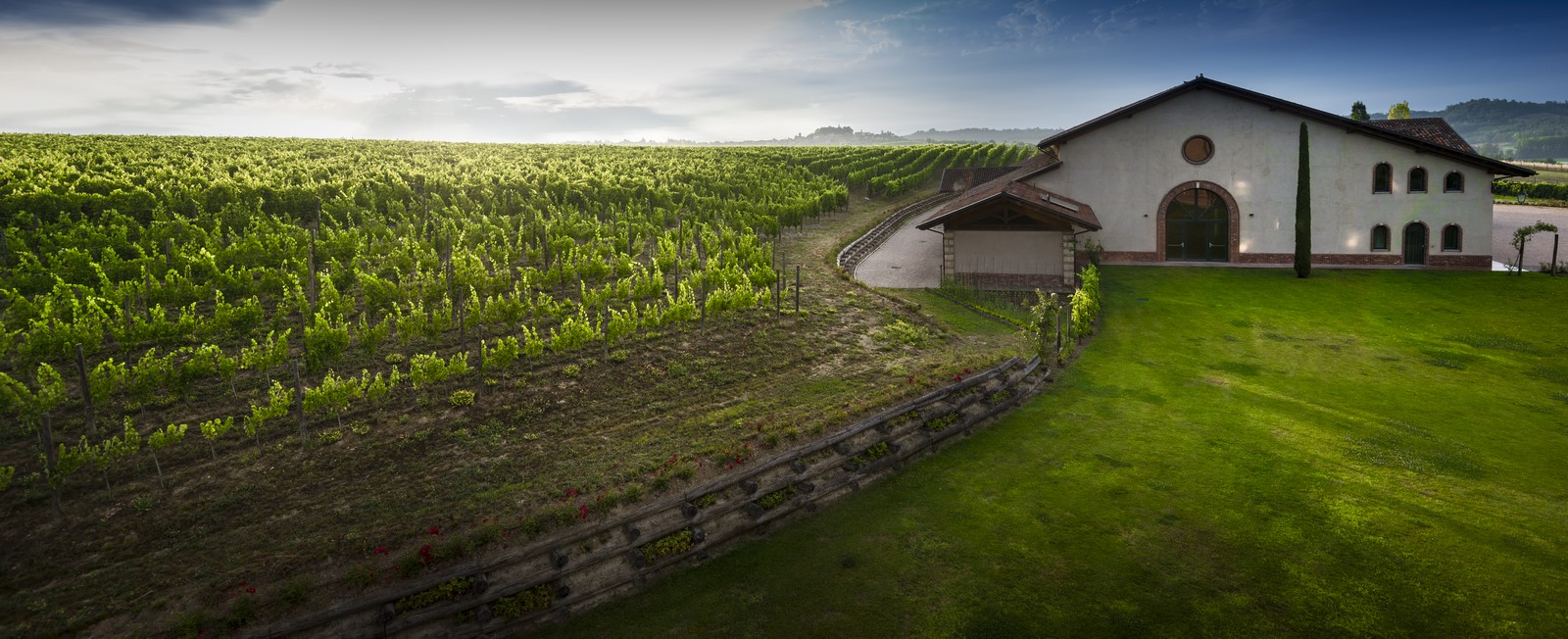
Piedmont is Italy's most serious wine country, and its quietest. East of Turin, the hills of the Langhe, Roero and Monferrato — UNESCO-listed since 2014 as a landscape worked by the same families for generations — produce the wines the rest of Italy measures itself against: Barolo and Barbaresco from Nebbiolo, whose modern form was born in these cellars in the mid-nineteenth century, Barbera and rare native grapes everywhere else, and the sparkling tradition of Asti further east. Above it all hangs the region's other currency: the white truffle of Alba, auctioned each autumn at prices the culinary world reads twice.
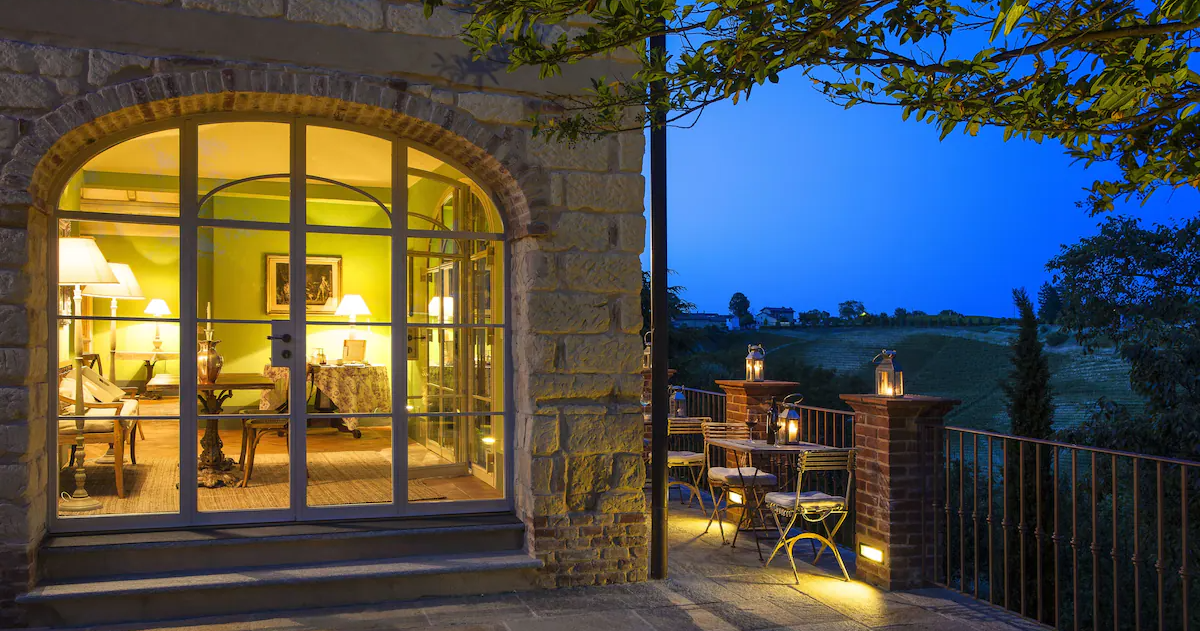
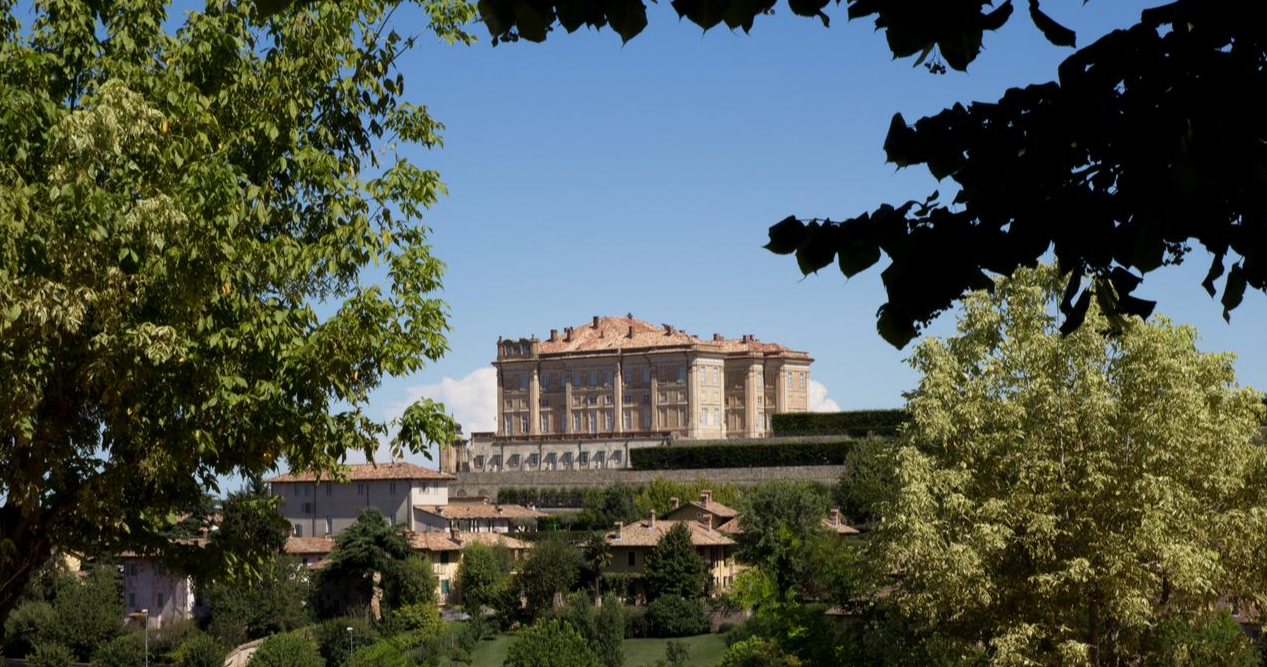
What Piedmont is not is a resort. This is working agricultural country — small hilltop villages, restaurants built around producer families, the Piedmontese dialect still alive in the markets — and that is precisely its appeal. The Slow Food movement was founded here, in Bra on the Roero's edge, and the region eats and pours accordingly: long lunches, deep cellars, menus that follow the harvest. Base yourself among the vines, drive the ridge roads between castles, and let the season set the agenda — truffles and harvest fires in autumn, hazelnut blossom and first asparagus in spring.