

The shape of the country
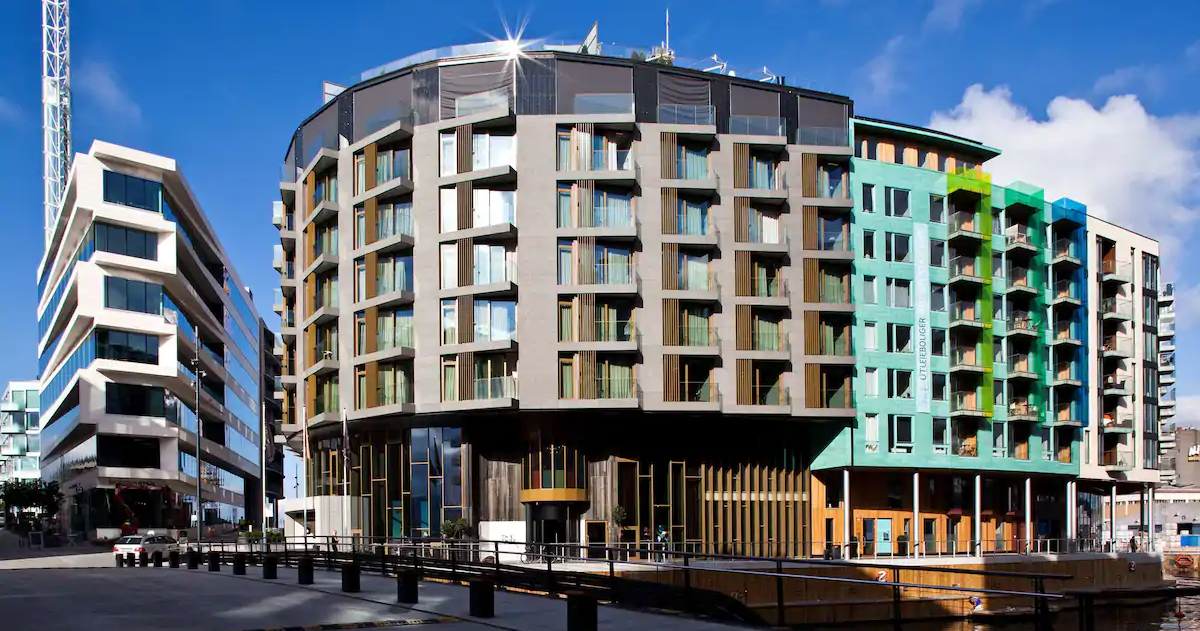
Norway divides, roughly, into a handful of travel regions. The east centres on Oslo, the capital, set at the head of the Oslofjord and ringed by forest — the cultural and urban heart, and for most visitors the way in. The west is fjord country: Bergen, the handsome old Hanseatic port, is the gateway to the Sognefjord and Geirangerfjord, the deep, cliff-walled inlets that are the image of Norway the world over, threaded by scenic rail and ferry.
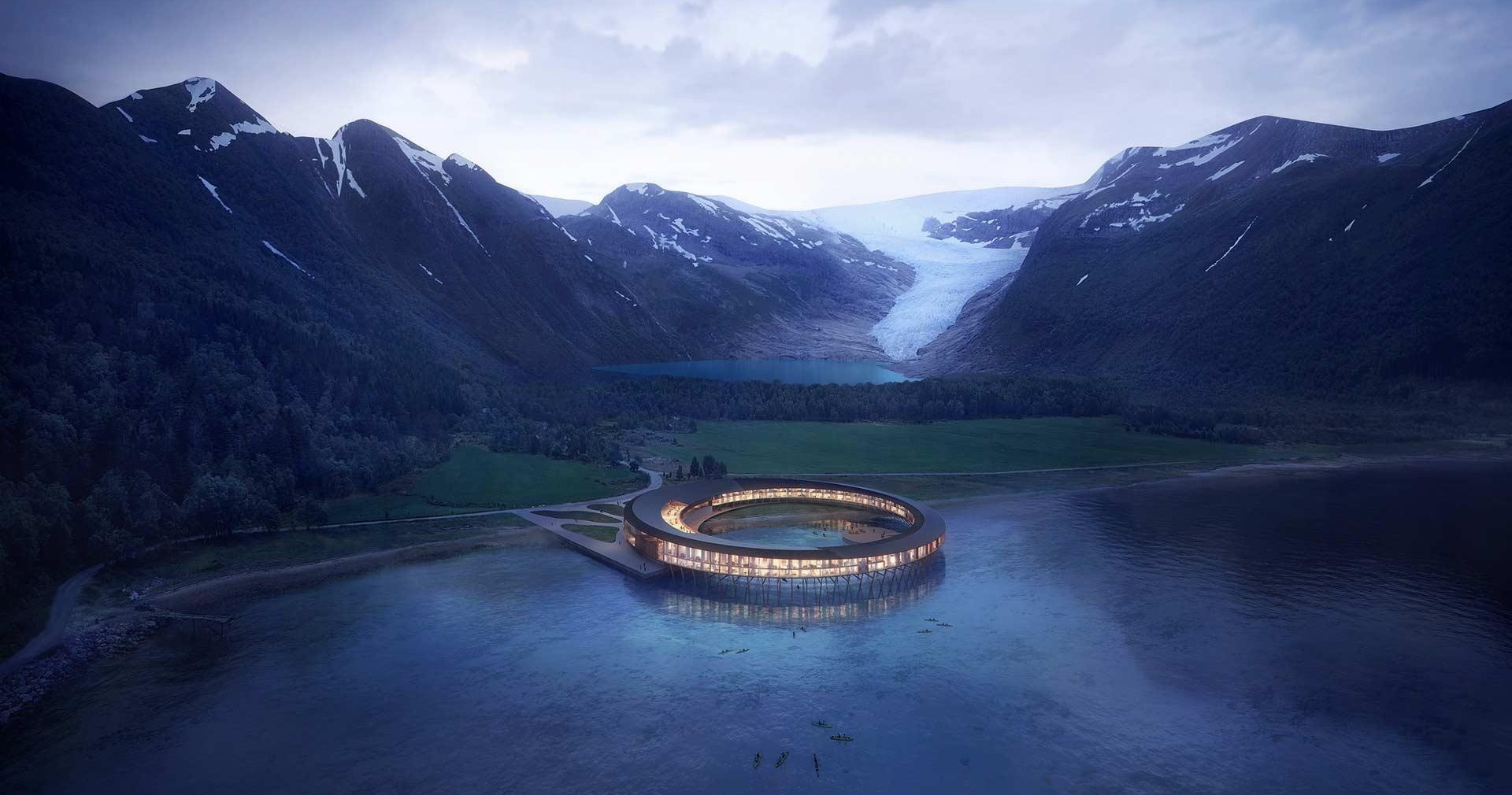
North of these lies the long Arctic reach. The Helgeland coast, around the Svartisen glacier and the Arctic Circle, is among the most beautiful and least travelled stretches of the whole country; beyond it, the Lofoten islands rise straight from the sea, and the far north — Tromsø, the North Cape, the archipelago of Svalbard — is the land of the midnight sun and the northern lights. It is a vast spread for a single country, and few trips take in more than one or two parts of it; the distances are real, and the best of it comes from going deep rather than wide.


