How do I get around Germany?
The Deutsche Bahn ICE high-speed rail connects the major cities: Frankfurt-Cologne 1 hr 5 min, Frankfurt-Munich 3 hr 10 min, Berlin-Munich 4 hr, Berlin-Hamburg 1 hr 40 min. The autobahn network covers the country with no general speed limit on many sections. Frankfurt Airport (FRA) is Germany's largest hub for international arrivals; Munich Airport (MUC) serves Bavaria; Düsseldorf (DUS), Berlin (BER) and Hamburg (HAM) carry the regional alternatives. The Bavarian Regional Trains handle the Alpine areas including Garmisch-Partenkirchen and Berchtesgaden.
What's the best region of Germany for a luxury escape?
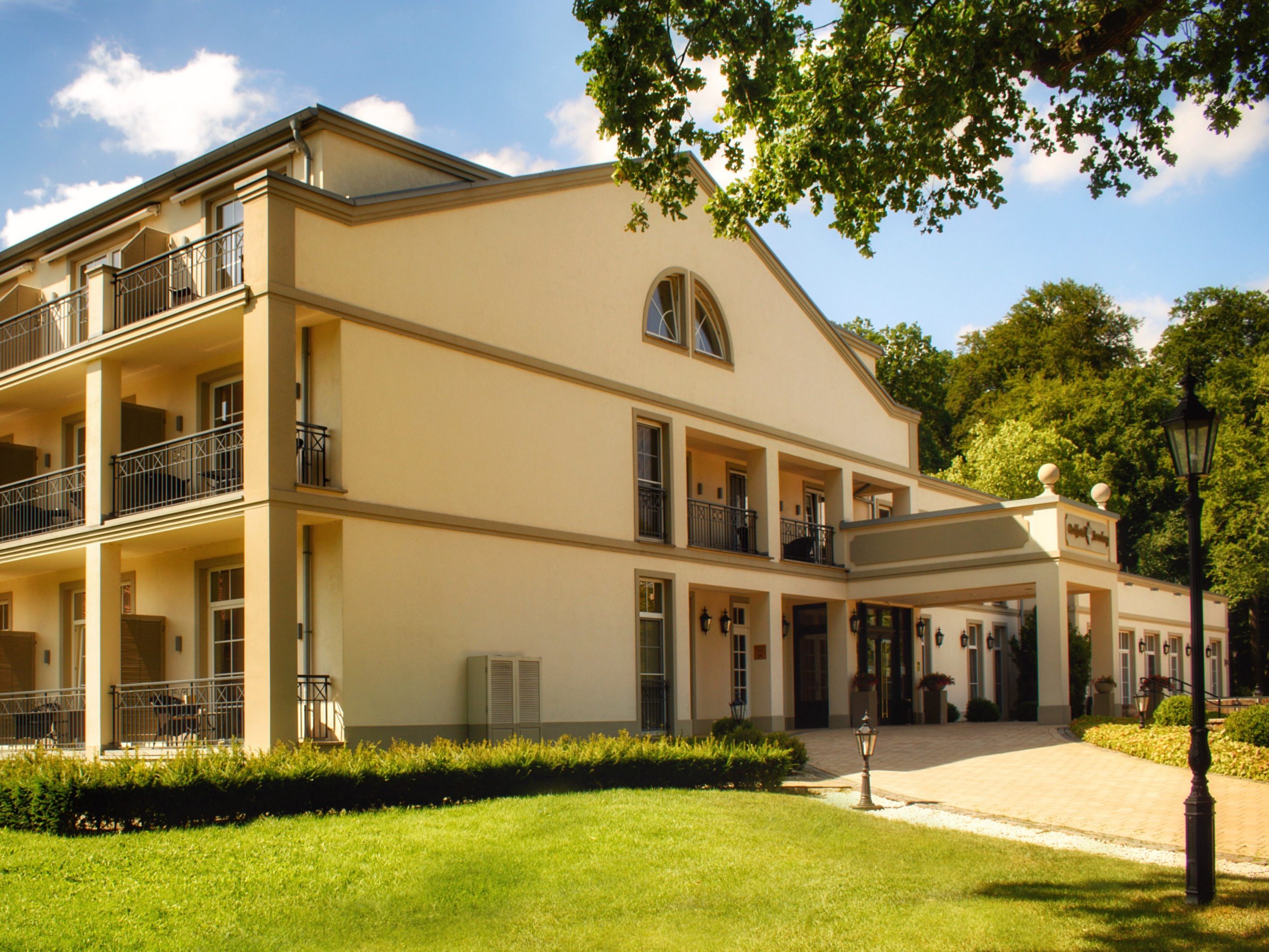
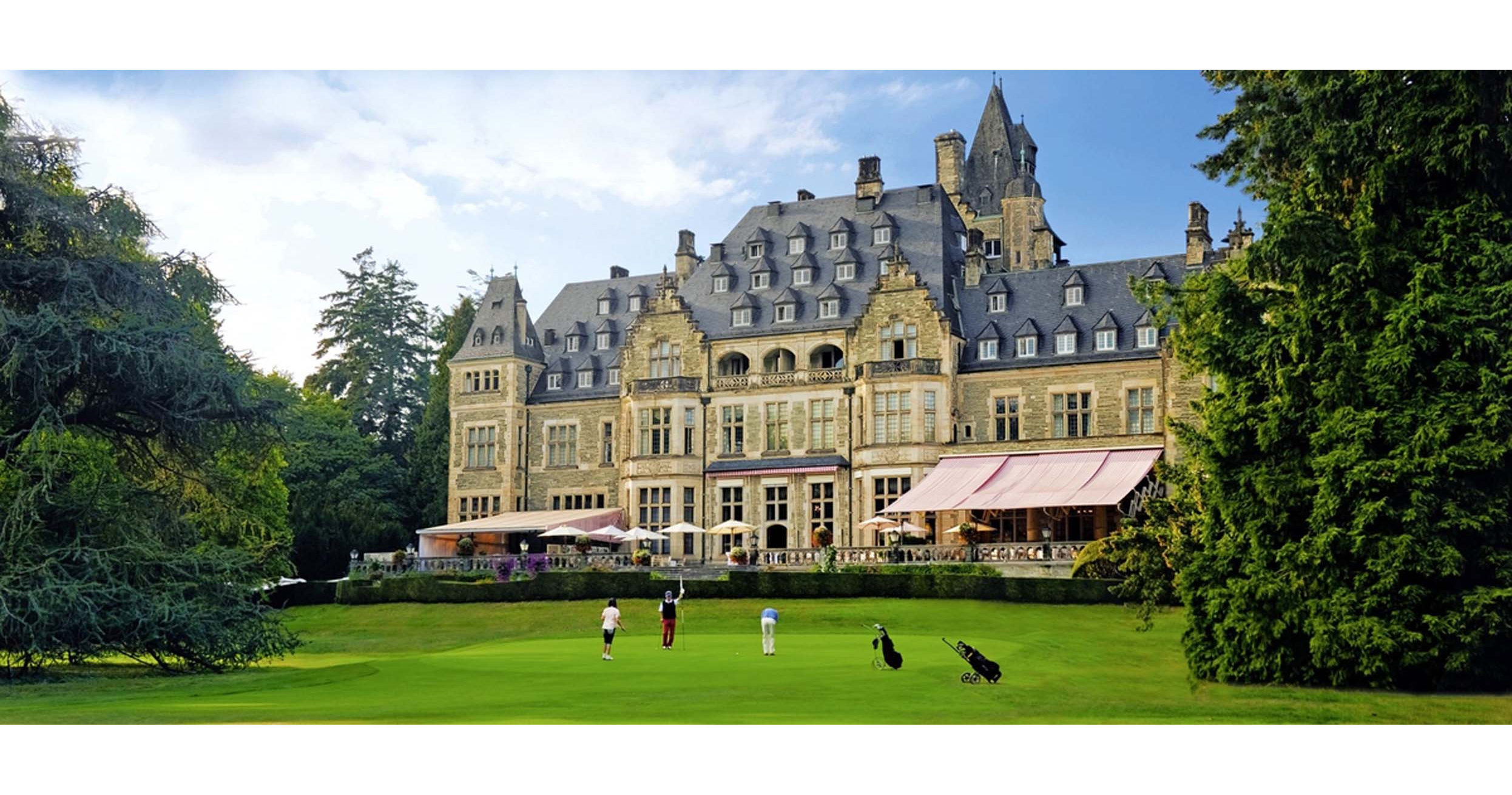
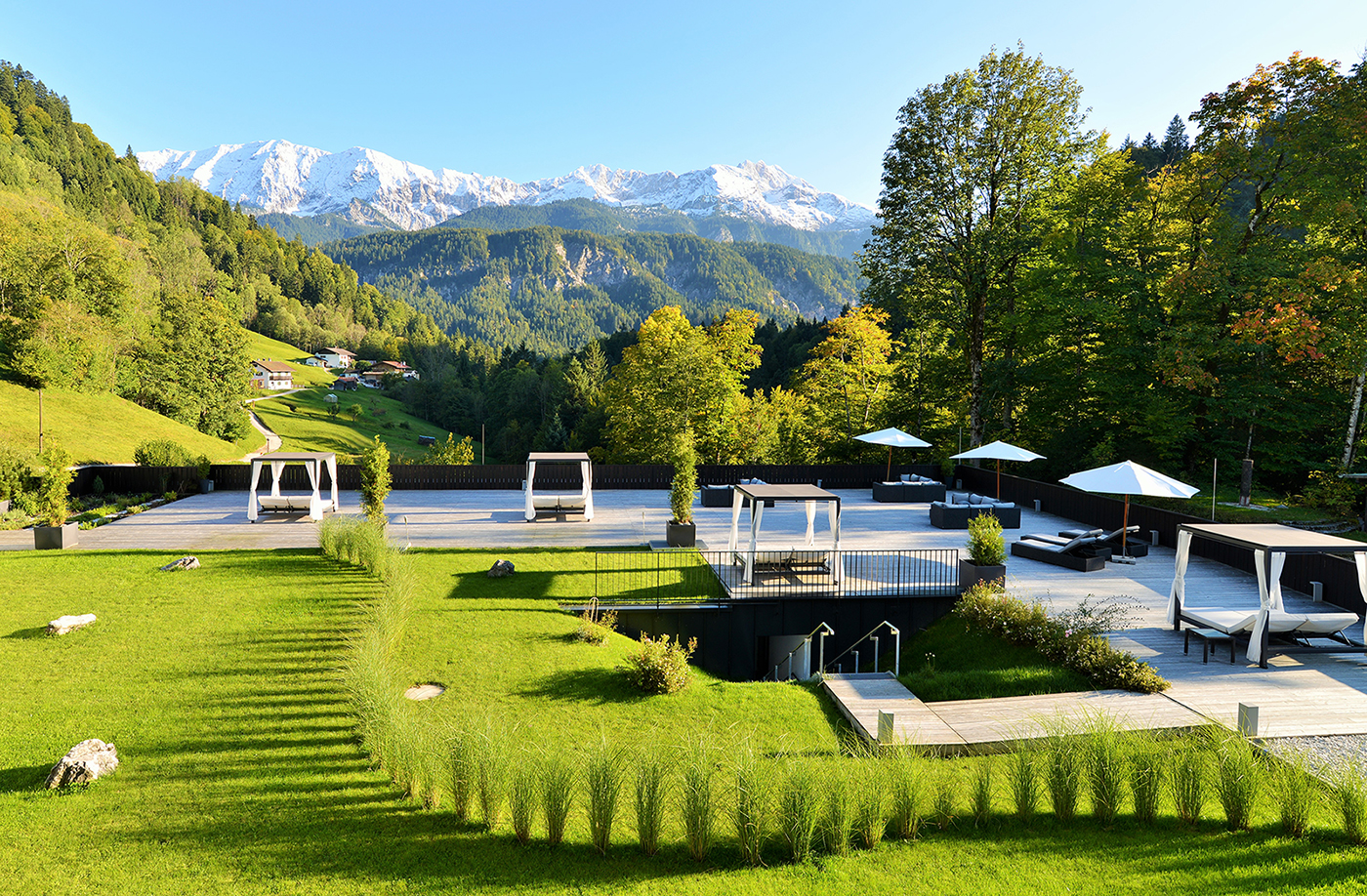
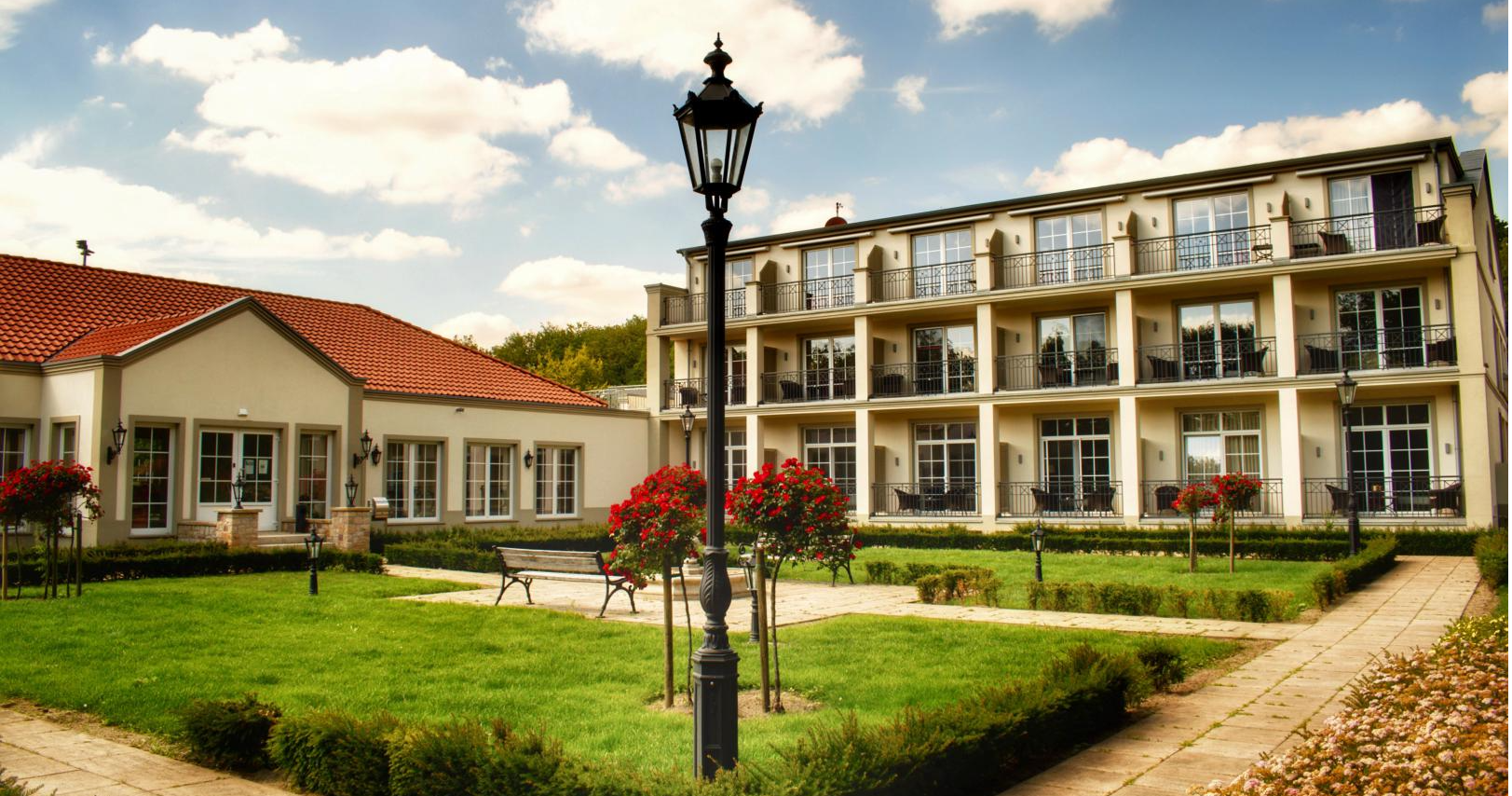
Each region delivers a different proposition. Bavaria's Garmisch-Partenkirchen for Alpine wellness and Zugspitze access (Das Graseck). North Rhine-Westphalia's Münsterland for the moated water castles and the equestrian heritage (Parkhotel Surenburg). Hesse's Kronberg im Taunus for royal castle heritage and Frankfurt proximity (Schlosshotel Kronberg). Multi-region trips work well via ICE rail: Frankfurt-Munich (3 hr 10 min) opens the Bavaria-Hesse combination; Frankfurt-Cologne (1 hr 5 min) opens the broader Rhineland circuit; Frankfurt-Münster (2 hr 30 min) reaches the Münsterland water castles.
When is the best time to visit Germany?
April through June delivers spring conditions across the country — the Bavarian Alps emerging from snow, the Rheingau vineyards in their first growth, the Münsterland water castles framed by fresh greenery. September and October carry the Rheingau wine harvest, the post-summer cultural calendar, and the start of Oktoberfest. December delivers the Christmas markets — Nuremberg, Dresden, Frankfurt and Cologne run the most celebrated of Germany's Advent traditions. The shoulder months of April-May and September-October consistently deliver the best cultural-circuit conditions without the August holiday density or the December market crush.
What's the German food and wine tradition?
The country runs distinct regional culinary registers: Bavarian (white sausage Weißwurst, pretzels, roast pork Schweinsbraten, Wiener schnitzel adaptations); Westphalian (pumpernickel, Westfälischer Schinken cured ham, Sauerbraten); Rhenish (sauerkraut, potato pancakes Reibekuchen); Hessian (Apfelwein apple wine, Handkäs mit Musik sour-milk cheese). German wine runs predominantly through the Rieslings and Pinot Noirs of the Rheingau, Mosel, Pfalz, Baden, and Württemberg regions; German beer carries the centuries-old Reinheitsgebot purity law (1516) across regional brewing traditions (Bavarian wheat beers, Cologne Kölsch, Düsseldorf Altbier, the wider Pilsner tradition).