Destination, hotel name or experience

Boutique Hotels in France

Introducing France

France is a country organised across eighteen administrative regions carrying eighteen distinct cultural and gastronomic identities — the same country produces Champagne, Bordeaux, Burgundy and Loire wines from four separate appellation systems; cassoulet from the Languedoc, bouillabaisse from Marseille, tarte tatin from the Loire, galette from Brittany, raclette from Savoie; the Atlantic-coast oyster tradition, the Mediterranean aïoli tradition, the Alpine cheese tradition, the Champagne crayère tradition. The country's variety reads on the scale of a continent.
 
The boutique-hotel proposition runs through this geographical diversity with unusual depth. Multi-generational family ownership is the structural pattern: properties continuously held by single families for fifty, a hundred, sometimes several hundred years, with the architectural shell, the gardens, the cellars and the operational rhythm passed through successive generations rather than rebuilt. The country's hospitality tradition isn't a recent commercial industry but the continuation of an older domestic and agricultural pattern at the scale of the château, the bergerie, the hôtel particulier, the relais de poste.

Browse on Map — France

Explore 9 exceptional boutique hotels hand-picked in France. Click a pin to discover each property.

Hotels in France

Chateau le Cagnard

France, Cagnes-sur-Mer

Chateau le Cagnard

The 13th-century Château Le Cagnard above Cagnes-sur-Mer — a 30-room boutique hotel inside Haut-de-Cagnes's medieval defensive walls…

€132.60

Price for 1 night from

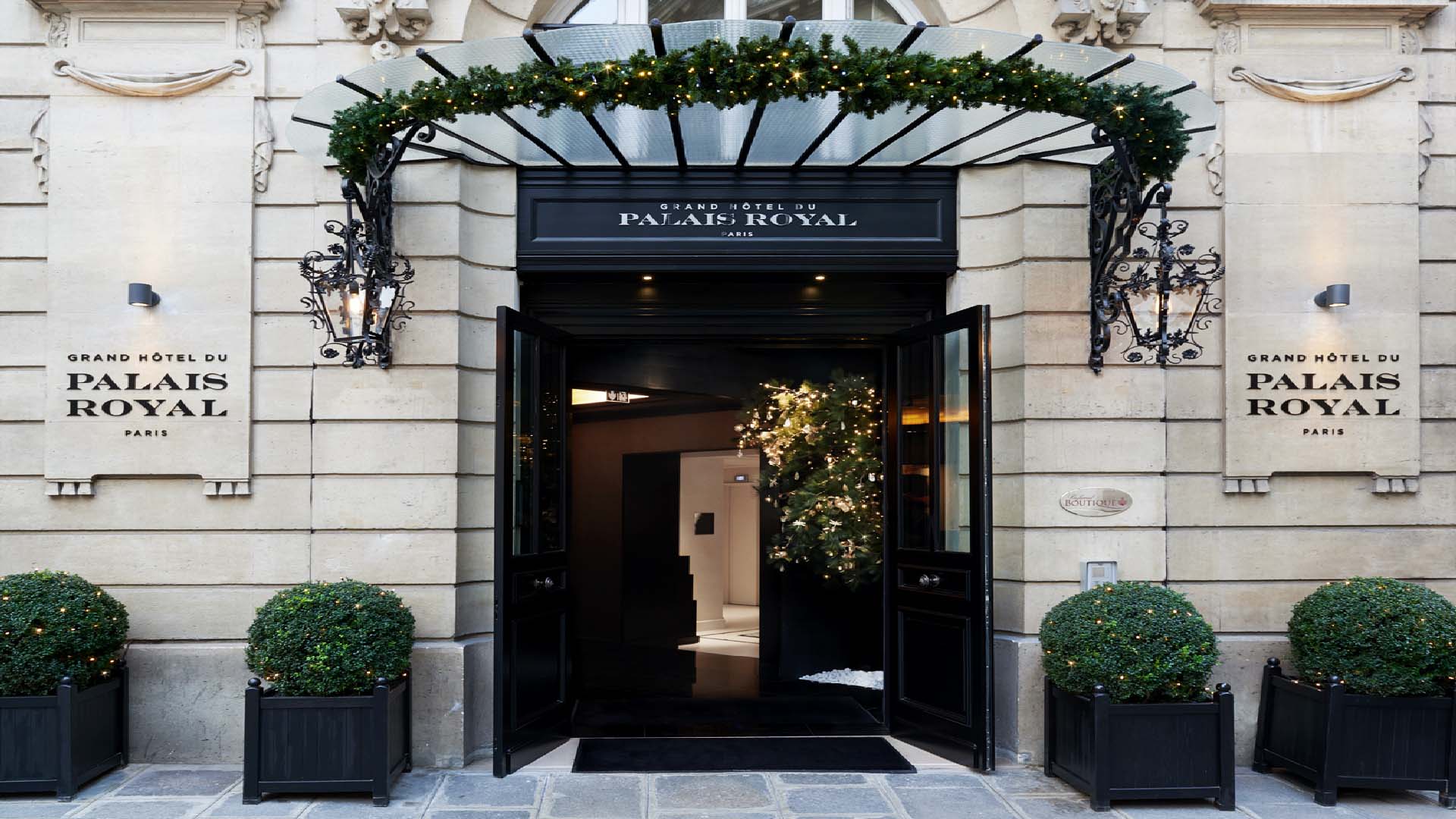
Grand hotel Du Palais Royal

France, Paris

Grand hotel Du Palais Royal

5-star Grand Hôtel du Palais Royal — 59 Pierre-Yves Rochon rooms in a listed 18th-century building overlooking the Palais Royal gardens…

€412.70

Price for 1 night from

Ferme De Moudon

France, Les Gets

Ferme De Moudon

Ferme de Moudon — Nicky Dobree's 300-year-old farmhouse outside Les Gets, restored on Grand Designs Abroad. Sleeps 10-12 across five en-suite…

€408.50

Price for 1 night from

Chalet Grande Roche

France, Courchevel

Chalet Grande Roche

Chalet La Grande Roche — 709 m² over four floors in Courchevel 1850's Cospillot, sleeps 14 across seven bedrooms with indoor pool, hammam…

€9,122.90

Price for 1 night from

Chateau Bouffemont

France, Bouffémont

Château Bouffémont

1860 Beaux-Arts seat of the Empain family (the dynasty that built the Paris Métro), restored 2012, 20 min from CDG. Exclusive-hire for 27…

€346.80

Price for 1 night from

Chateau Diter

France, Cannes

Château Diter

Château Diter — a Florentine-Renaissance estate on seven hectares above Grasse, with EBTS-prize gardens, two helipads and the Côte…

€346.80

Price for 1 night from

Hotel Jardins Secrets

France, Nîmes

Jardins Secrets

5-star Jardins Secrets — 14 rooms in an 18th-century coaching inn in Old Nîmes, with cloistered gardens and a Roman-bath spa.

Domaine Les Oliviers de Palombaggia

France, Porto-Vecchio

Domaine Les Oliviers de Palombaggia

5-star Les Oliviers de Palombaggia — 13 restored Corsican sheepfolds with private pools on two hectares above Palombaggia, Bougon-family-run…
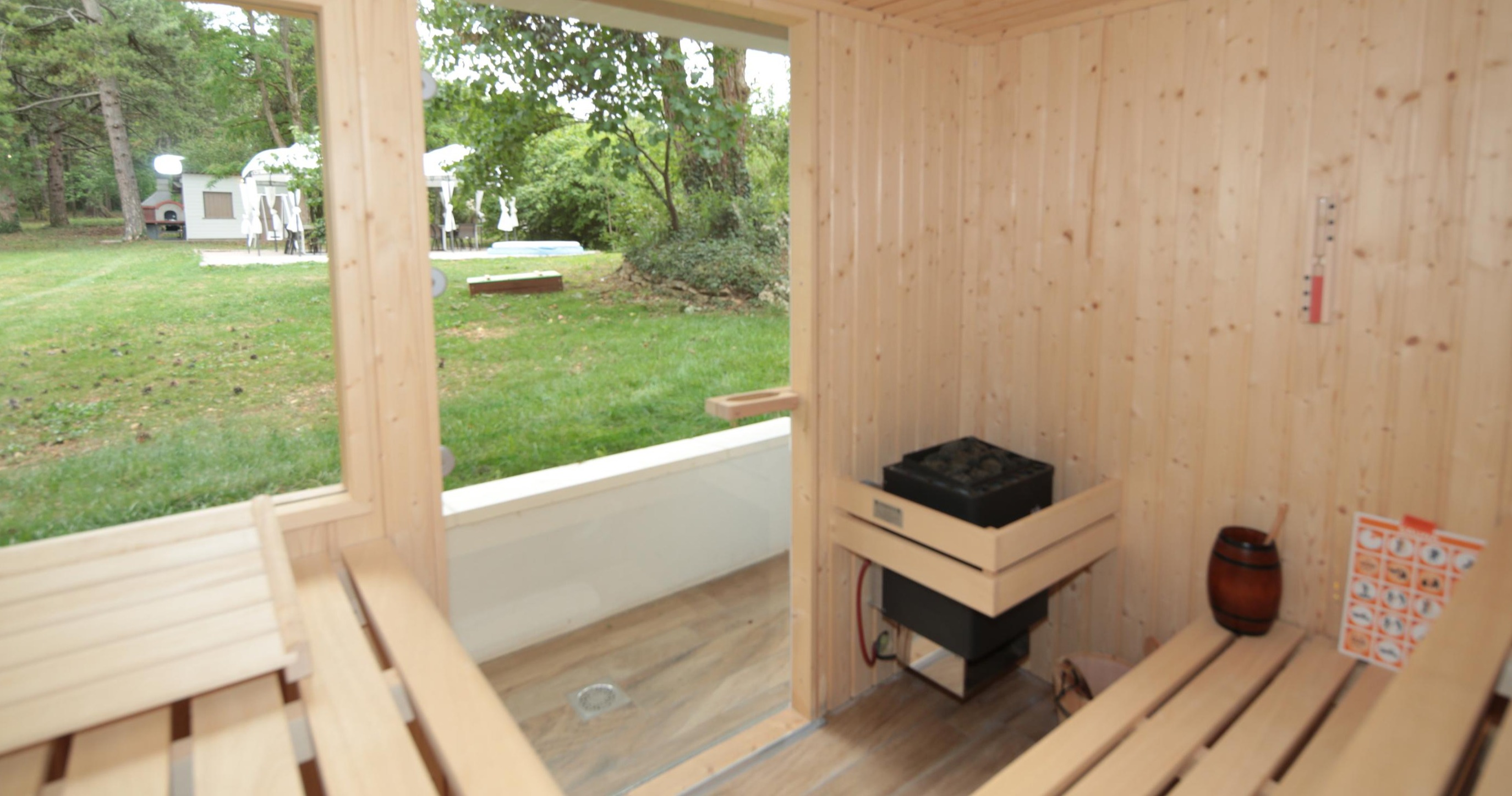
Light wood sauna with glass door overlooking garden, featuring traditional sauna heater, wooden benches, and natural pine interior

France, Beaune

Hotel Le Cep

5-star Hôtel Le Cep — 71 rooms across linked 14th-17th century Beaune mansions, with Loiseau des Vignes (1 Michelin star) and 1,200 wine…

France Guide

Paris
Grand Hôtel du Palais Royal at 4 rue de Valois — 18th-century listed building opposite the Palais Royal gardens, Paris 1st 📍

Paris

Paris is organised across 20 arrondissements spiralling from the Île de la Cité. The 1st arrondissement carries the historic institutional centre — the Louvre, the Palais Royal, the Tuileries Garden, the Place Vendôme — concentrated in the curve of the Seine's right bank. The 4th carries Notre-Dame and the Marais. The 6th holds Saint-Germain-des-Prés. The 7th the Eiffel Tower and the Musée d'Orsay. Each arrondissement operates as a distinct village within the city, with its own cafés and bookshops and particular dialect of Parisian life. The capital holds 127 Michelin stars across 113 restaurants as of 2025 — the most concentrated cluster of starred restaurants in any city. Grand Hôtel du Palais Royal sits at the Palais Royal's eastern entrance — a 59-room boutique 5-star by interior designer Pierre-Yves Rochon in an 18th-century listed building, holding one Michelin Key in the 2024 rating.


Île-de-France

The Île-de-France region surrounds Paris with the country estates that the Belle Époque industrialists, the aristocratic families and the Parisian establishment built into through the 19th century. Bouffémont sits 30 kilometres north in Val-d'Oise on the edge of the Montmorency Forest — historically the Empain industrial family's country seat. Château Bouffémont is the 1860 Beaux-Arts chateau where three generations of Empains lived for over half a century — the Belgian-born Baron Édouard Empain founded the company that built and operated the Paris Métro from 1900 to 1945. The property now operates as exclusive-hire across nine suites within twenty minutes of Charles de Gaulle and twenty-one minutes of Le Bourget private-jet hub.


Provence and Occitanie

Provence and Occitanie run across the Mediterranean's western arc — Roman archaeology in Nîmes, Van Gogh's Arles, Avignon's Palais des Papes, the lavender fields of the Luberon, the Camargue's flamingos. Nîmes is the most archaeologically intact Roman city in France, anchored by the UNESCO-inscribed Maison Carrée (one of the best-preserved Roman temples anywhere) and the Arènes de Nîmes (one of the most intact Roman amphitheatres). Jardins Secrets sits in Old Nîmes as a 14-room 5-star boutique hotel in an 18th-century coaching inn — restored by the Valentin family from inherited grandmother's property and opened in 2005.

Côte d'Azur

The French Riviera coastline runs from Saint-Tropez to the Italian border, with the medieval villages above the coast (Èze, Vence, Haut-de-Cagnes) holding a quieter Mediterranean character against the resort towns below (Cannes, Antibes, Nice, Monaco). Cagnes-sur-Mer sits between Nice and Antibes with the medieval hilltop village Haut-de-Cagnes preserved intact — Renoir spent his last twelve years here, and Soutine, Modigliani, Foujita, Derain and Klein came on artistic pilgrimage. Château Le Cagnard sits at the medieval village's editorial centre — a 13th-century defensive structure commissioned by Rainer I of Monaco, with each of the 30 rooms named for a painter drawn to Cagnes-sur-Mer. Grasse sits 25 minutes northwest in the hills above Cannes as the world capital of perfume. Château Diter is a Florentine-Renaissance estate on seven hectares above Grasse with EBTS-prize gardens, two helipads and the Côte d'Azur at the doorstep.

Burgundy

Burgundy is the wine capital region — the Côte de Beaune running south through Pommard, Volnay, Meursault and Puligny-Montrachet, and the Côte de Nuits running north through Vosne-Romanée, Gevrey-Chambertin and Nuits-Saint-Georges. The Climats of Burgundy were inscribed on the UNESCO World Heritage List in 2015. Beaune is the wine capital at the geographic centre, anchored by the 1443 Hospices de Beaune and the annual November charity wine auction. Hôtel Le Cep sits at 27 rue Maufoux inside Beaune's medieval walls — a fused ensemble of 14th-to-17th-century hôtels particuliers around three Renaissance courtyards, family-run by the Bernard family for over thirty years, with the Loiseau des Vignes Michelin-starred restaurant in partnership with the Bernard Loiseau Group and 1,200 wine references in the cellars.

French Alps

The Northern French Alps run through Haute-Savoie and Savoie, holding France's principal ski heritage. Les Gets at 1,172 metres in Haute-Savoie anchors the Portes du Soleil — the cross-border ski domain linking twelve French and Swiss villages through 600 kilometres of marked piste.Ferme de Moudon sits in the hamlet of Moudon on the village outskirts — a 300-year-old farmhouse restored in 2003 by British interior designer Nicky Dobree as her first chalet project, now operating as a rental chalet for parties up to 14. Courchevel 1850 in the Tarentaise sits at the highest of Courchevel's five villages, anchoring Les Trois Vallées — the world's largest interconnected ski area with 600 kilometres of piste across four valleys. Chalet La Grande Roche sits in the Cospillot district as one of the first prestigious chalets built in Courchevel 1850 — 709 m² over four floors, sleeping 14 with indoor pool, hammam, cinema and a chauffeured Mercedes-Benz Viano included.

Corsica

Corsica is France's Mediterranean island — granite mountains rising to 2,706 metres at Monte Cinto, the maquis covering most of the interior, and a coastline editorial guides treat as the most aesthetically intact in the Western Mediterranean. Porto-Vecchio sits at the south-eastern tip of the island, anchored by Palombaggia beach (frequently cited as Corsica's best) and the protected Cerbicales Islands nature reserve offshore. Les Oliviers de Palombaggia sits above the Palombaggia coastline as a 13-villa estate of restored dry-stone Corsican sheepfolds on two hectares of preserved maquis — Bougon-family-run since 1972, with the working Casa di Petra farm next door producing brocciu, matured cheeses, maquis honey and vegetables.

When to visit

The country's climate runs across multiple registers. Paris and Île-de-France: April-June and September-October handle the best cultural-circuit conditions; December delivers the Christmas markets. Provence and Côte d'Azur: April-October handle the principal season, with the Nîmes Ferias (May / September) and the Cannes Film Festival (mid-May) as the calendar anchors. Burgundy: harvest season is August-October; the Hospices de Beaune auction is the third Sunday of November. French Alps: ski season runs December through mid-April with peak conditions in January-March; the summer mountain-biking and hiking season runs June-September. Corsica: May-October handles the principal season, with the August crush concentrated in July and August.

Frequently Asked Questions

What's the best region of France for a luxury escape?

Each region delivers a different proposition. Paris for the cultural and gastronomic capital experience. Île-de-France's Bouffémont for proximity to CDG with rural privacy. Provence and Occitanie (Nîmes anchor) for Roman archaeology and the wider Mediterranean cultural arc. Côte d'Azur (Cagnes-sur-Mer and Grasse anchors) for the Riviera coast and the perfume-capital hinterland. Burgundy's Beaune for the wine country. French Alps (Les Gets and Courchevel) for skiing and Alpine wellness. Corsica's Porto-Vecchio for the Mediterranean island character. Multi-region trips work well: Paris-Burgundy combinations via TGV (1 hr 45 min), Paris-Provence via TGV (3 hr), or Paris-Côte d'Azur via TGV (5 hr) all sit within practical itinerary distance.

How do I travel between French regions?

The TGV high-speed rail network connects the major cities: Paris-Beaune (1 hr 45 min direct), Paris-Nîmes (3 hr), Paris-Cannes (5 hr), Paris-Marseille (3 hr), Paris-Bordeaux (2 hr). Domestic flights via Air France, Transavia and easyJet handle the Corsica and Côte d'Azur connections. Helicopter transfers from Nice handle the Cannes / Monaco / Saint-Tropez circuit; the Courchevel and Megève altiports handle Alpine fly-in arrivals. Car hire works particularly well for Provence, Burgundy and the Côte d'Azur where the wider cultural circuit benefits from road access.

When is the best time to visit France?

April through June delivers spring blossom, post-winter cultural calendars and the warmth without the August crush. September and October carry the rentrée cultural calendar — the new opera and museum seasons, the wine harvest in Burgundy and Bordeaux, the Côte d'Azur retaining warm-water swimming without the summer density. December delivers the Christmas markets across Alsace and Paris, and the year-end Réveillon dinners. July and August is the principal summer holiday period; Paris and the major cities empty out, the Côte d'Azur and Corsica run hottest and busiest, and prices reach annual peaks. The shoulder months consistently deliver the best value-and-conditions combination.

What's the food and wine etiquette in France?

Restaurant lunch typically runs 12:30-14:00 and dinner from 19:30, with kitchens closing by 22:00 in most cities; the all-day dining model isn't standard outside Paris and the major tourist centres. Reservations are essential for Michelin-starred restaurants; advance booking by several weeks is standard for the top houses. Wine ordering: regional pairing is the default in most cellars (Champagne and Burgundy in the north and east, Loire and Bordeaux in the west, Côtes du Rhône and Provence rosés in the south). The cheese course traditionally precedes (not follows) dessert. Tipping is included in the bill (service compris is standard); additional cash tips of 1-5% are appreciated but not expected.

Icon of Here for You
Here for You
Icon of Free Extras on Arrival
Free Extras on Arrival
Icon of Best Price Guarantee
Best Price Guarantee
Icon of Personally Approved Hotels
Personally Approved Hotels
Icon of Exclusive Offers
Exclusive Offers
Icon of New Finds Every Month
New Finds Every Month